
Begin the day with a steep uphill climb right from Thulo Syabru.
As you ascend, the trail opens into wide landscapes with sweeping Himalayan views.
Pass through Dursagang, a small settlement ideal for a short rest.
Continue to Foprang Danda, a ridge top that offers breathtaking panoramic mountain scenery.
Stop at the Chandan Bari Cheese Factory to see traditional cheese production and, depending on the season, enjoy a fresh sample.
Arrive at Shin Gompa, a peaceful village known for its calm environment and nearby monastery.
- difficulty
Moderate
-
Trip Style
Group
-
Start in
Kathmandu
-
end in
Dhunche
-
max altitude
4460m / 14,632 ft
-
Accommodation
Teahouse
-
Best Season
Spring (March–May) and Autumn (September–November)
Overview
Introduction to Gosaikunda Lake Trek
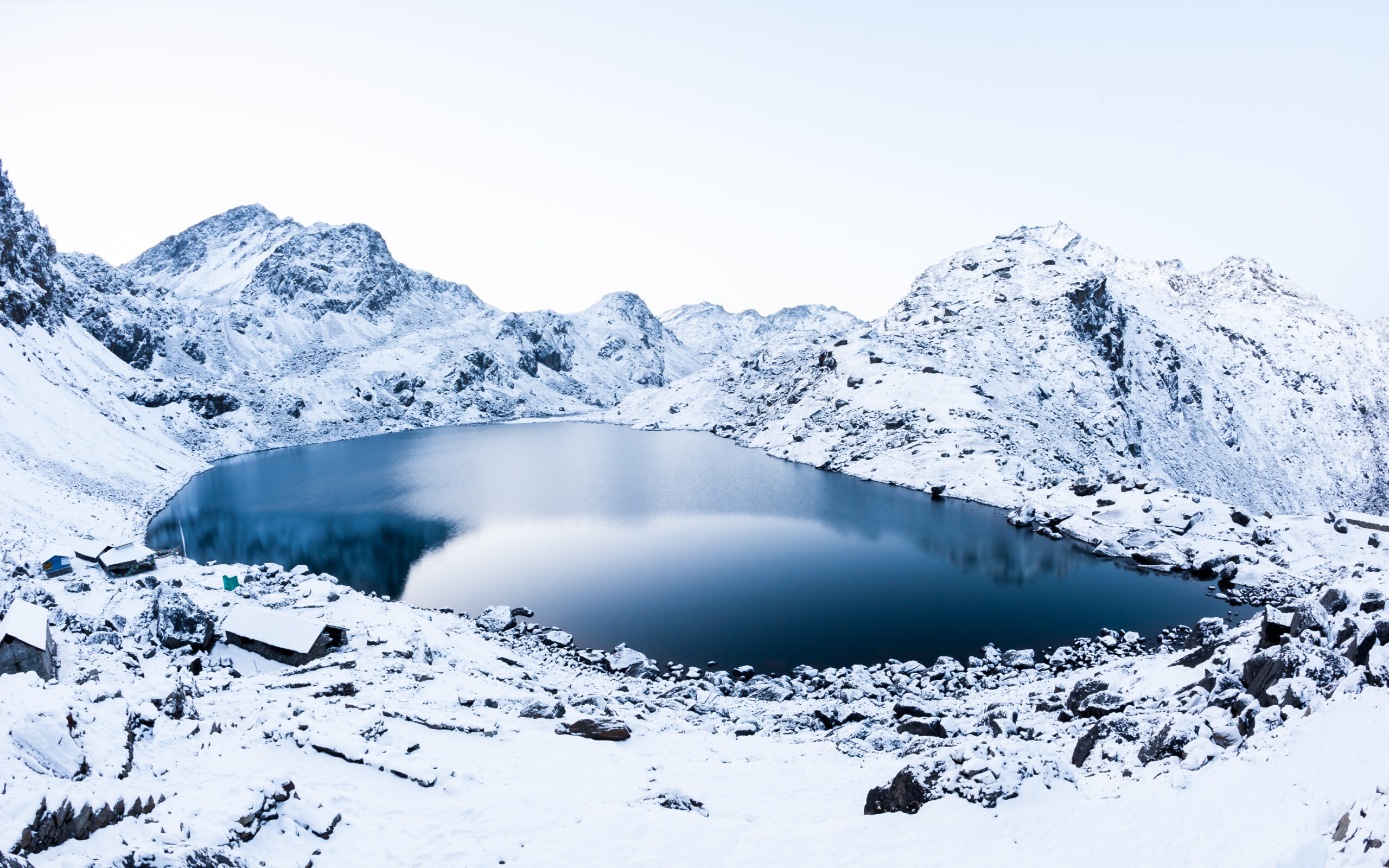
The Gosaikunda Lake trek is within Langtang National Park and takes in the high-altitude freshwater lake of Gosaikunda (4,380m). Gosaikunda is not only a Ramsar site (since 2007), meaning that it is a wetland of international importance, but it is also a site considered holy to Buddhists and Hindus.
On this week-long trek (which can be extended longer), you will have dramatic views of the Manaslu range, Ganesh Himal range, Tibetan peaks, and Langtang Lirung, as well as the three lakes of Gosaikunda, Saraswati Kunda, and Bhairab Kunda.
In Hindu mythology, Gosaikunda is the abode of the gods Shiva and Gauri. It is believed that Lord Shiva formed the lake when he thrust his holy trident into the mountain to extract water to drink. The waters are considered significant during the Janai Purnima festival at the full moon in August when thousands of pilgrims gather.
The Gosaikunda Lake trek explores the area’s lakes and mountains, following ridges, crossing ravines and suspension bridges, winding through rhododendron, oak, and pine forests, and providing an insight into the people of this area.
This is the perfect trip for people fascinated by culture, mythology, mountains, and nature but don’t want to trek at high altitudes.
Trip highlights
- Sacred Gosaikunda Lake – A holy high-altitude lake worshipped by Hindus and Buddhists, known for its spiritual serenity.
- Breathtaking Himalayan Views – Enjoy sweeping panoramas of Langtang, Ganesh Himal, and Manaslu ranges.
- Diverse Natural Landscapes – Walk through dense forests, alpine meadows, rocky trails, and crystal-clear glacial lakes.
- Authentic Mountain Culture – Discover the unique lifestyle, festivals, and traditions of Tamang and Sherpa communities.
- Adventure & High-Pass Challenge – Conquer the iconic Lauribina Pass (4,610m) for an unforgettable trekking experience.
itinerary
Expand All
Collapse All
- day 1
Arrival in Kathmandu
- Arrive at Tribhuvan International Airport in Kathmandu.
- Nepal Tour Guide team will greet you and drop you at your hotel.
- day 2
Kathmandu to Syabrubesi(Drive) (1550 m / 5085 ft) 7-8 hrs
- Drive time: 7 to 8 hours
- Accommodation: Tea House
- Distance: 120 km / 75 miles
- Meals: Breakfast, Lunch and Dinner
- Overnight: Syabrubesi
Note
Our guide will arrive at your hotel to pick you up, and together you will take a taxi to the bus station.
The road begins smooth but gradually turns bumpy and winding as you ascend into the mountains get ready for an adventurous ride.
Leaving Kathmandu’s busy streets behind, you’ll enjoy beautiful views of green hills, flowing waterfalls, and charming local villages.
- day 3
Trek to Lama Hotel (2380 m / 7808 ft) – 7 hrs
- day 4
Lama Hotel to Thulo Syabru (2330 m / 7644 ft ) – 5 to 6 hrs
- day 5
Thulo Syabru to Shin Gompa (3330m / 10925 ft) – 3 to 4 hrs
- day 6
Shin Gompa to Gosaikunda (4460m / 14,632 ft) – 5 to 6 hrs
Start with a steep climb and great views of Shin Gompa.
Cross Lauribina La Pass (4,610m) – the highest and toughest point.
Follow a rocky, sometimes icy trail downhill.
Enjoy your first views of the sacred Gosaikunda Lakes.
Reach Gosaikunda Village for a peaceful stay by the lakes.
- day 7
Gosaikunda to Chandanbari (2,000 m / 6561) – 7 hrs
- day 8
Chandanbari to Dhunche (1300 m / 4265 ft) – 8 hrs
- day 9
Dhunche to Kathmandu 1380 m – 8 hrs
Not satisfied with this itinerary?
Make your own.Price Included
✅ 7 nights accommodation in mountain teahouses
✅ Guide for 8 days
✅ Kathmandu–Syabrubeshi–Kathmandu local bus
✅ Langtang National Park permit
✅ Daily meals included: 8 breakfasts, 8 lunches, and 7 dinners throughout the trek
Price Excluded
❌ Porter service for 8 days – USD 184 (optional)
❌ Private Jeep upgrade – USD 260 (optional)
FAQ
-
Are there any age limits for this trek?Generally, there are no strict age limits for trekking in Nepal, as much of it depends upon the individual fitness and experience of the people concerned. The following are a few important aspects to consider:Children Most trekking companies welcome children to go on family-friendly treks, mainly on popular routes such as the Annapurna and Everest regions. Naturally, one would have to be careful in choosing a trek that would suit the child's fitness and capability.Older Adults Participation by older trekkers is also allowed, provided there is good health and stamina to take on the demands of the trek. However, the recommendation is in advance to consult with an old age doctor before going on a trek.Group Considerations Agencies also have age limits for all or specific treks and routes that require further and more critical conditions. In this respect, discussion of such issues with the agency through which one has booked is relevant.Safety Trekkers of any age must pay attention to altitude sickness. Weather conditions may suddenly change. All trekkers should allow for adequate acclimatization and pacing.
-
Can I continue my trek if I got sick?Continuing your trek after getting sick is generally not advisable. Here are some key considerations1. Assess Your Symptoms Mild Infection If minor - such as a headache or light stomach ache you may be able to rest and carry on. However, listen to your body.Severe Symptoms If any of the following symptoms persist, such as severe headache, repeated nausea, dizziness, or any symptoms of AMS, do not continue.2. Altitude Sickness Urgent Action The only thing you can do if you feel that you have altitude sickness is to go down to a lower height. Continuing to trek to high altitude means your case is deteriorating.3. Rest and Recovery Rest for A While Sometimes all you need is rest for one or two days. You can always inform your guide, who will help modify the schedule accordingly.4. Consult Your Guide Professional Advice Your guide will be trained to observe your condition and make intelligent decisions about your continuation or descent.5. Safety Above All Health First Trekkers should not commence the trek if they are ill as it will prove risky for themselves and others in the group.6. Emergency Plan Know your options: Know how to get back down to a lower elevation or seek medical attention if you need to.What this means, more simply, is that if a person does not feel well, then the concrete evaluation of being sick should be highly considered for taking priority over the continuation of the trek.
-
Are the trekking restaurants available at trekking places?Yes, there are many trekking restaurants or 'tea houses' along popular routes in Nepal. These places have simple accommodation and food for trekkers. Here's what you'd usually expect:Meal Options: Most of the tea houses offer a range of local cuisines that include dal bhat, momos, noodles, and pancakes. Most of these places also sell snacks and hot drinks.Accommodation: Most tea houses have simple rooms where trekkers can stay overnight and have well-deserved rest after a very long day of trekking.Variety: The quality and variety of food differ according to the region and the altitude. You will get more options in the so-called popular trekking areas like the Annapurna and Everest regions.Social Atmosphere: Most of the time, the tea houses allow trekkers to come together, share their experiences, and enjoy a warm meal together.Availability: Availability is very common along the well-traveled routes; however, it is quite infrequent in areas that are considered to be more remote. So, better check your route and plan your trip accordingly.
-
Which place do I see from Gosaikunda Lake Helicopter Tour?
Pokhara
Kathmandu Valley – The Cultural Cradle from Above
Shivapuri Hills & Langtang National Park Foothills
Gosaikunda Lake (4,380 m) – The Sacred Jewel of the Mountains
Shiva Shrine Beside the Lake
Remote Highland Villages from the Sky
Himalayan Panorama – A Final Farewell
-
Can I customize the itinerary from your website?Yes, you can do so from the website, but to a certain extent. Please note that for a more personalized experience, we highly recommend contacting us via email or over the phone. This is so we can get a better understanding of your personal interests and tailor your itinerary according to your needs.
-
What meal I will get in Gosaikunda Lake Trek?
Breakfast Options
☕ Tea cup icon placeholder
Porridge
Tibetan bread
Eggs
Pancakes
Toast
Muesli
Omelette
Coffee/Tea
Lunch and Dinner Options
☕ Tea cup icon placeholder
Nepali Dal Bhat – rice, lentils & vegetables
Fried Noodles – with vegetables, egg, or chicken
Mo:Mo – steamed dumplings
Chowmein – fried noodles
Fried Rice – with egg or vegetables
Soups – vegetable, garlic, or mushroom
Chapati with Curry – potato or mixed vegetable curry
Sherpa Stew – hearty noodle soup with potatoes and vegetables
Drinks Options
☕ Tea cup icon placeholder
Tea
Coffee
Soft drinks
Fruit juice
Beer
Water
Hot chocolate
-
How do I communicate in Gosaikunda lake?
Teahouse Wi-Fi: Some teahouses provide Wi-Fi for a fee, but the connection can be slow and unreliable, especially with multiple users.
Power Supply: Electricity may be limited or available only at certain times. Bring a power bank to keep your devices charged.
Weather Impacts: Heavy rain, snow, or fog can further reduce signal strength and connectivity.
-
Do I need to carry all my luggage on my trek or have the facilities of safe locker?Whether you are able to carry all your luggage or have the availability of a safe locker depends on the trek undertaken and the provider selected. Most of the guided treks make available porters to carry your luggage so that you can carry only a daypack with necessary items in them. A few accommodations may also have safe lockers where you can store your valuables.It would be a good idea to discuss this with your trekking company so that you understand their policies and particular arrangements, which exist in the case of your trek. If you have a particular trek in mind, then I can try to help you find more detailed information.
-
How to avoid Altitude sickness during trekking?Here are some useful tips for preventing altitude sickness during trekking in Nepal1. Acclimatize GraduallyAscend slowly, giving your body time to adjust. Daily increase no more than 300-500 meters (1,000-1,600 feet) if arriving at 2,500 meters (8,200 feet) above sea level.2. Stay HydratedDrink plenty of water to keep yourself hydrated. Drink at least 3-4 liters a day. Also, do not drink alcohol and caffeine as these will dehydrate you.3. Eat Light and Nutritious MealsConsume adequate amounts of carbohydrates, and have a balanced diet. Do not eat too heavy meals that would put stress on your digestive system at high altitudes.4. Recognize Symptoms EarlyKnow the various symptoms such as headache, nausea, dizziness, and fatigue-all these are related to altitude sickness. If these symptoms persist, then go to lower altitudes.5. Rest and Take BreaksAlso allow in your itinerary days off, especially above 3,000 meters or 10,000 feet elevation. And, finally, listen to your body and take days off if you feel you need it.6. Take MedicationSome drugs, such as acetazolamide, which is popularly referred to as Diamox, can halt altitude sickness. Consult a doctor regarding medication of this nature. Start your medication one day ahead of your climb.7. Climb High, Sleep LowIf possible, go to higher altitudes during the day but sleep at lower elevations until acclimatization is enhanced.8. Avoid Vigorous ExerciseAvoid heavy exercises during the first days in high altitude. Go easy to give your body a chance to acclimate.9. Travel with a CompanionTrek with someone who knows the area and can help you in case symptoms develop.10. Stay InformedStudy the altitude profile and the route of the trek in advance. Be prepared for changing altitudes and weather conditions.By following these tips, you will minimize the chance of developing altitude sickness and will have more fun with your trek!
-
How can I Extension the Trip Options after Gosaikunda Lake Trek ?
Langtang Valley Exploration: Continue trekking in the Langtang Valley. Visit Kyanjin Gompa for breathtaking mountain views or explore remote villages like Tserko Ri for an off-the-beaten-path experience.
Helambu Trek: Combine the Gosaikunda Lake Trek with the Helambu circuit, famous for its rich cultural heritage and lush forest trails.
Tamang Heritage Trail: Experience Tamang culture along this trail, visiting traditional villages, staying in homestays, and enjoying stunning mountain scenery.
Review

Tom And Heide
18/09/2018
AMAZING NEPAL EXPERIENCE WITH Nepal Tour Guide Team
We had the privilege exploring KTM valley with Kumar. He has a way of showing you all facets of Nepal as nobody else will. Not only does he know his country like no other, he also has a special way of connecting you with his culture , people, customs and more like a real tour guide can only do. He is a humanitarian, a good spirit, with a great sense of humor and a heart of gold, someone who CARES about his country and people. You will love the way he guides you and shows you his country. Anything from local foods, to extensive history or just small talk about politics and social issues, Kumar is happy to discuss all. He showed us a side of Nepal, we would have never experienced with a larger bus group. He customized our program to our liking, the way we wanted it, patiently answered all of our questions always friendly , attentive and genuine. We can highly recommend Kumar as your private guide. I have traveled the world extensively (please see my other reviews on tripadvisor) and know the difference between ‘just a guide’ and a true tour director who LOVES his job and connecting with people from all walks of life. Kumar is great in what he does and his personality will make you like him the day you meet. We are still friends and should we return to Nepal, there is no doubt in our minds that we will see him again, not only as our guide but also to reunite with a great friend and human being.

Adam Szucs
01/01/1970
Memorable 4 Days With Tour Guide
My wife and I had the privilege to enjoy a 4 days long private tour with tourguideinnepal.com. Everything was spot on. We had a private driver and a private tour guide for the entire trip, both extremely polite. I can 100% recommend them to others also. I also found their pricing more than fair. Kumar runs the company, he was very helpful when we put together the custom itinerary. Our tour guide was Suvash, probably the most caring guy I’ve ever met. Thanks for the lifetime experience guys!

Aristofanes Cedeno
01/01/1970
One Week in Nepal With Tour Guide
I recently spent one week in Nepal and Tour Guide Team Trek provided an extraordinary service with an itinerary suited to my needs and interests, including Kathmandu, Chitwan, and Pokhara, detailed cultural and historical explanations when visiting different sites in Kathmandu, and above all, a customer and people-oriented approach to all activities, meals, shopping, etc. Kumar Dahal was my tour guide and it was a pleasure for me to have him showing me his native Nepal. Kumar has excellent English speaking skills and he is willing to take the extra mile to help you have the best trip to this beautiful country. I recommend him and Nepal Tour Guide Team Trek wholeheartedly as the best agency to fulfill your expectations.
Write a review
Best Guarantee Value
Quick enquiry

Still confused?
Talk to our expert.

Kumar Dahal

