

Hiking in Nepal
What Is Hiking in Nepal?
Hiking in Nepal refers to guided or independent trekking experiences through the Himalayas, ranging from beginner-friendly trails to high-altitude adventures like Everest Base Camp and Annapurna Circuit. It combines nature, culture, and adventure at costs far lower than other global trekking destinations.
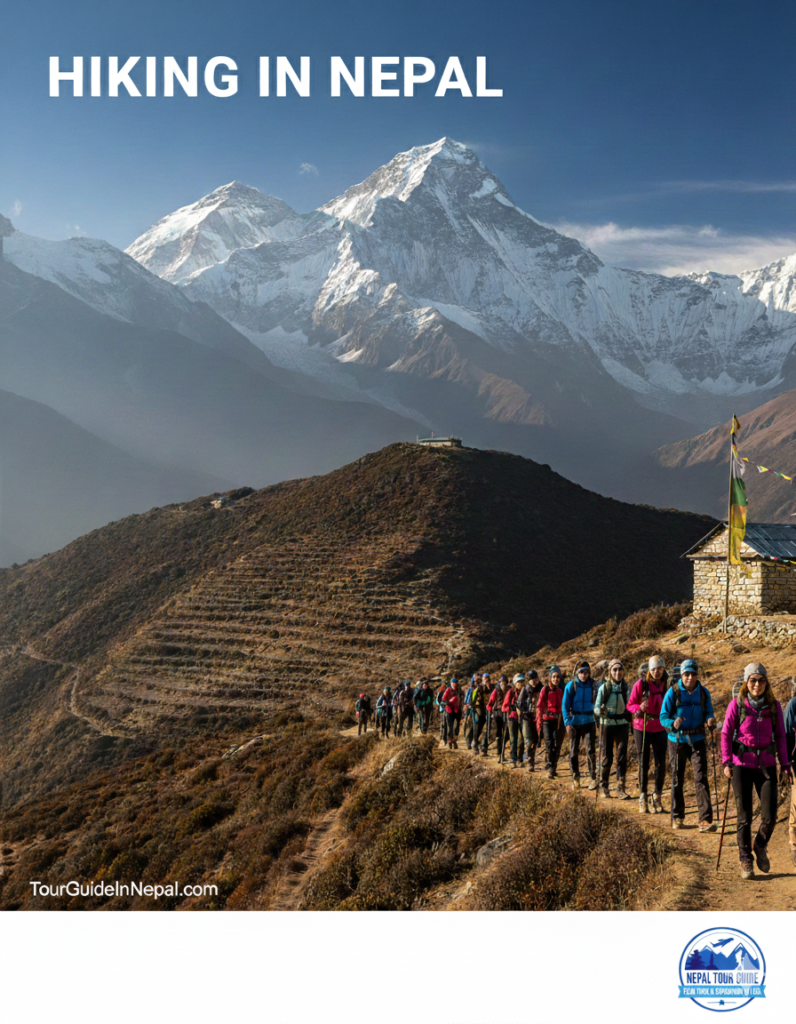
According to the Nepal Tourism Board (2025), over 200,000 international trekkers now visit annually, seeking high-altitude serenity. In this guide, you will learn how to secure premium experiences at affordable rates, the best routes for your skill level, and how to choose an expert local guide for a safe journey.
Key characteristics include:
– Day hikes vs multi-day treks (time + altitude).
– Permit/entry requirements by region.
– Teahouse vs camping style (comfort level).
Tour Guide in Nepal Expert Team
Why Nepal Is the World’s Premier Hiking Destination
Nepal offers unmatched value for mountain trekking compared to other Himalayan destinations:
Affordability: Full-service guided treks cost 60-70% less than equivalent trips in Bhutan or Tibet
Accessibility: Kathmandu airport connects to 50+ international destinations –
Infrastructure: Well-maintained teahouse networks along major routes eliminate camping needs
Cultural richness: Trek through Sherpa, Gurung, and Tamang villages with living Buddhist and Hindu traditions
Professional guides: Nepal hosts over 5,000 government-licensed trekking guides “In my 18 years guiding international trekkers, I have seen Nepal transform lives through its mountains. The combination of affordable access and world-class scenery is unmatched anywhere,” says Pemba Sherpa, IFMGA-certified mountain guide. TourGuideInNepal.com.
What Makes Nepal Different from Other Mountain Regions?
Nepal’s unique advantages:
Permit System: Straightforward trekking permits (TIMS + National Park) cost $30-50 USD total, compared to Bhutan’s $200+ daily fees.
Teahouse Network: Stay in local lodges ($5-15/night) with meals included, versus expensive camping logistics
Year-Round Options: While October-November and March-May are peak seasons, Nepal offers hikeable routes in every season
Cultural Immersion: Trek through authentic mountain villages where Sherpa, Tamang, and other ethnic communities maintain traditional lifestyle
Customize your Trip
Who Should Consider Hiking in Nepal?
Nepal hiking suits:
– Adventure seekers wanting lifetime mountain experiences
– Budget travelers seeking premium experiences at local prices
– Cultural enthusiasts interested in Himalayan Buddhist traditions
– Photographers chasing world-class mountain landscapes
– Fitness enthusiasts challenging themselves at altitude
Age range: Successfully guided clients from 12 to 78 years old with proper
preparation and route selection.
Why Choosing an Expert Local Guide in Nepal Matters
Local Nepali guides provide critical safety oversight, cultural translation, and cost optimization that transforms average treks into exceptional experiences while ensuring your wellbeing in remote Himalayan environments. According to Himalayan Rescue Association’s 2024 report, trekkers using licensed guides experienced 73% fewer altitude-related medical emergencies compared to independent hikers, with faster evacuation response times in emergencies. (Dahal, 2024)
How Hiking in Nepal Works
Hiking in Nepal works through a combination of route selection, permits, licensed guides, accommodation planning, and altitude management. Choosing the right local guide ensures safety, fair pricing, and a premium experience. (Dahal, 2024)
How do hiking permits work in Nepal
In Nepal, permits depend on where you hike: most popular trekking regions require a trekking permit (national park or conservation area), and you may also need a TIMS card for tracking/safety.
For information please check this site:
Common Mistakes Hikers Make in Nepal
Based on 15 years guiding over 2,000 international trekkers, these preventable mistakes cause 80% of trek problems ranging from altitude sickness to injuries to disappointing experiences all easily avoided with proper preparation and realistic expectations.
Underestimating Altitude Sickness Risks
The Mistake: Ascending too quickly, ignoring early symptoms, or believing “I’m fit so altitude won’t affect me.” Altitude sickness (Acute Mountain Sickness/AMS) affects fit and unfit trekkers equally fitness helps with hiking effort but doesn’t prevent AMS.
The Consequences: Severe headaches, nausea, dizziness – Inability to continue trek (turnaround required) – Dangerous complications: HAPE (fluid in lungs) or HACE (brain swelling) – Expensive helicopter evacuation
Real Example: “In November 2024, a marathon runner from London had to abandon his EBC trek at 4,200m despite excellent fitness. He gained 1,000m elevation in one day instead of following our acclimatization schedule. His body simply couldn’t adapt that quickly,” recalls Tenzing Sherpa, medical response coordinator.
How to Avoid
Follow Acclimatization Rules:
– Ascend no more than 300-500m sleeping elevation per day above 3,000m
– Include rest days every 1,000m gained (e.g., rest day at 3,500m and 4,500m)
– “Climb high, sleep low” hike higher during day but descend to sleep
Recognize Early Symptom:
Mild symptoms: Headache, reduced appetite, or slight nausea usually normal and manageable
Warning signs: Strong headache that doesn’t improve after taking pain relief
Emergency signs: Vomiting, confusion, or trouble walking descend immediately and seek help
Frequently Asked Question
1. What is hiking in Nepal and why is it popular?
Hiking in Nepal refers to trekking through the Himalayan mountains, ranging from short day hikes to long multi‑day routes like Everest Base Camp and Annapurna Circuit. It combines spectacular mountain scenery with cultural experiences in local villages, and offers great value compared to other global trekking destinations.
2. Do I need permits and a guide to hike in Nepal?
Most trekking regions in Nepal require official permits such as a TIMS card and national park or conservation area permits. Foreign hikers are generally required to trek with a licensed guide, improving safety and supporting local communities. Specific permit rules vary by region and trail.
3. How much does hiking or trekking in Nepal cost?
Costs vary with route, length, accommodation, and guide services. Short hikes may cost a few hundred USD, while classic treks like Everest Base Camp or Annapurna Circuit range from around $1000–$1500 for mid‑range guided trekking. Daily costs with a guide and porter typically range from about $75‑$100, while luxury packages can be much higher.
4. When is the best time of year to hike in Nepal?
The most popular trekking seasons in Nepal are autumn (September–November) and spring (March–May), when weather is clear and trails are dry. These months offer the best mountain views and stable conditions, though lower‑altitude hikes can be done year‑round with proper planning.
5. How can I avoid altitude sickness while hiking in Nepal?
To reduce the risk of altitude sickness, ascend gradually, limit your daily sleeping elevation gain to about 300‑500m above 3000m, and include acclimatization rest days. Follow the “climb high, sleep low” principle and descend immediately if severe symptoms occur.
6. Is Nepal good for hiking?
Yes, Nepal is considered one of the best countries for trekking due to its stunning mountain scenery, unique culture, and friendly people.
7. What are the essentials for hiking?
- NAVIGATION – Map, compass, and GPS system.
- SUN PROTECTION – Sunglasses, sunscreen, and hat.
- INSULATION – Jacket, hat, gloves, rain shell, and thermal underwear.
- ILLUMINATION – Flashlight, lanterns, and headlamp.
- FIRST-AID SUPPLIES – First Aid Kit.
8. What is the best month to hike in Nepal?
Autumn Trekking in Nepal (September-November). It is Considered the best trekking season in Nepal, it’s hard to fault the clear skies, moderate days and fantastic trekking conditions that autumn brings.
9. Can I wear jeans during hiking?
Yes, you can! Hitting the trail in denim doesn’t have to involve irritated skin at all. If you pick the right pair of trusty dungarees, the likelihood of chafing, rubbing or any other discomfort is as slim as Mick Jagger’s go-to pair of skinnies.
10. What is the big 4 in hiking?
- Backpack. Your backpack is your trusty companion on trail, carrying everything you need for the journey. …
- Shelter.
- Sleeping Bag Or Quilt.
- Sleeping Pad.
11. What is the 3 layer rule for hiking?
The three-layer rule says that to stay safe and comfortable, hikers should take three different layers of clothing with them on any walking adventure.
12. Is going on a hike good exercise?
Hiking is one of the best ways to get exercise. No matter what type of trail you find yourself on, hiking is a great whole-body workout—from head to toe and everything in between.
Trekking Regions of Nepal
 10 Trips
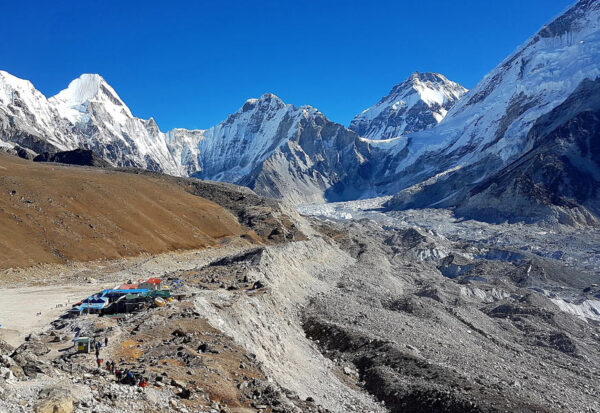
 Everest Region
Annapurna region in Nepal is popular trekking destination in the Himalayas. In the central-north Nepal, there lies 55 km...
 18 Trips
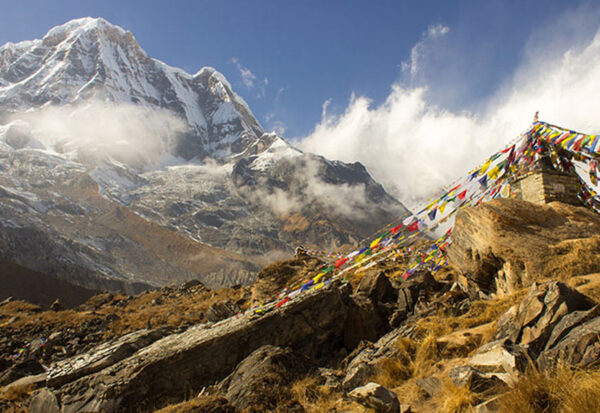
 Annapurna Region
Annapurna region in Nepal is popular trekking destination in the Himalayas. In the central-north Nepal, there lies 55 km...
 7 Trips
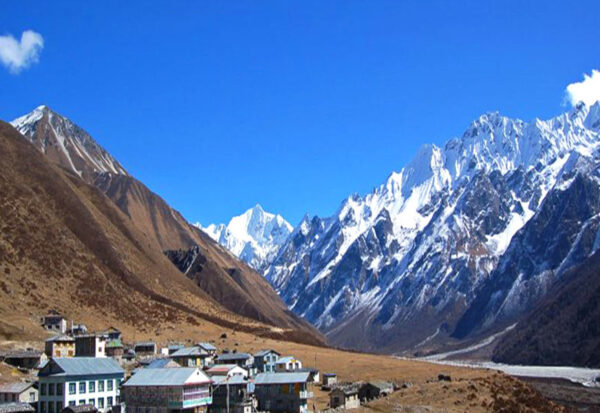
 Langtang Region
Langtang Region, yet another popular trekking destination in Nepal lies just 60km north to Kathmandu valley. Trekking in Langtang...
 3 Trips
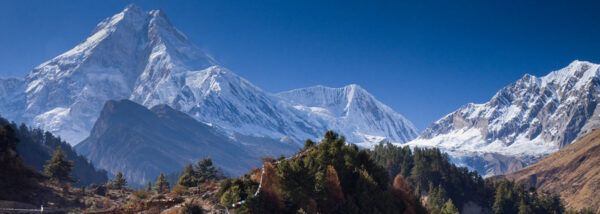
 Restricted Region
Some areas in Nepal are protected as Restricted Areas where travelers need to get authorization to visit. The main...
 4 Trips
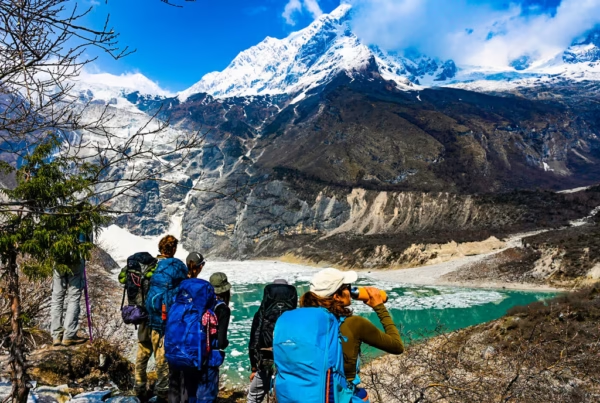
 Manaslu Region
Activities: Trekking, mountaineering Accommodation: Camping, lodges Access: By bus to Dhading (87 km from Kathmandu) or to Besisahar (106...
 4 Trips
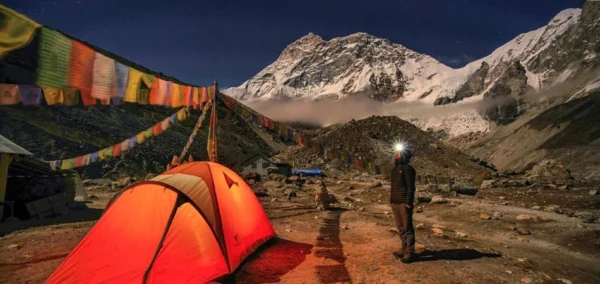
 Makalu Region
Trekking to the base of Makalu, the world’s fifth-highest mountain at 8485 meters, is an exciting journey from the...
 3 Trips
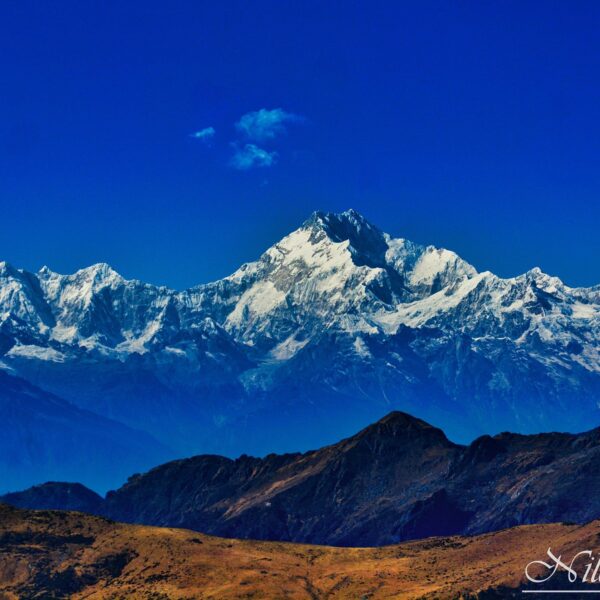
 Kanchenjunga Region
Kanchenjunga, once believed to be the world’s highest mountain, stands today as the third-highest peak on Earth after Mount...
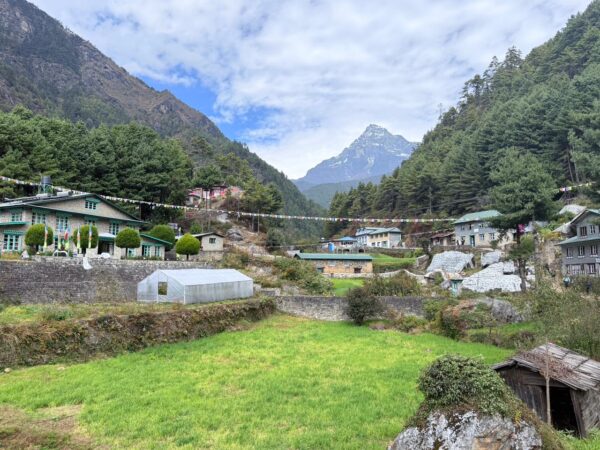 7 Trips
 Popular Trek
Most Popular Treks in Nepal Discover the most popular treks in Nepal, carefully selected for first-time visitors and experienced...
 6 Trips
 Hiking in Kathmandu
Hiking in Kathmandu offers accessible trails ranging from 2-6 hours that combine stunning Himalayan views with stress-relieving forest walks,...

