
Everest Base Camp 4 | 2026 Ultimate Guide
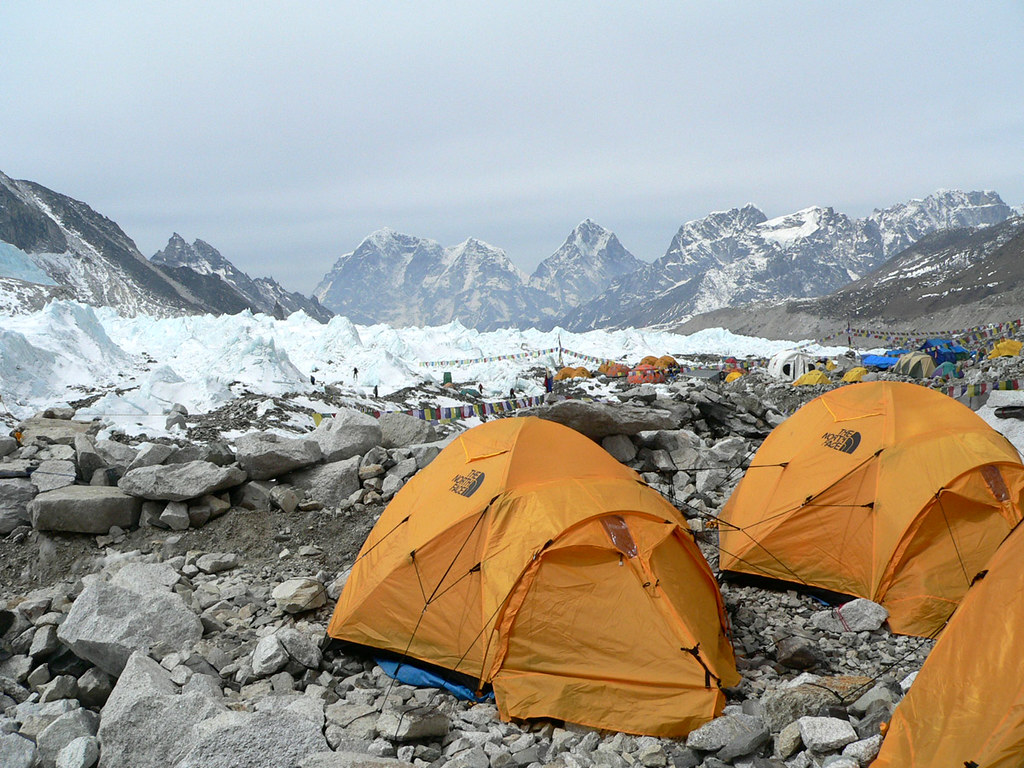
Everest Base Camp 4: The Strategic Gateway to the Summit
Standing at a staggering altitude of approximately 7,900 meters (26,085 feet), Everest Base Camp 4—commonly referred to as Camp IV—represents the final staging ground for mountaineers attempting to reach the highest point on Earth. Located on the South Col, a sharp-edged col between Mount Everest and Lhotse, this site is the threshold of the “Death Zone.” Here, the atmospheric pressure is roughly one-third of that at sea level, and the human body can no longer acclimatize, beginning a slow process of physiological decline.
For high-altitude climbers, Camp 4 is more than just a place to pitch a tent; it is a critical strategic hub. It serves as the launchpad for the final summit push, a brutal 10-to-12-hour ascent through some of the most treacherous terrain on the planet. Understanding the logistics, physiological demands, and environmental extremes of Camp 4 is essential for any serious expedition planning.
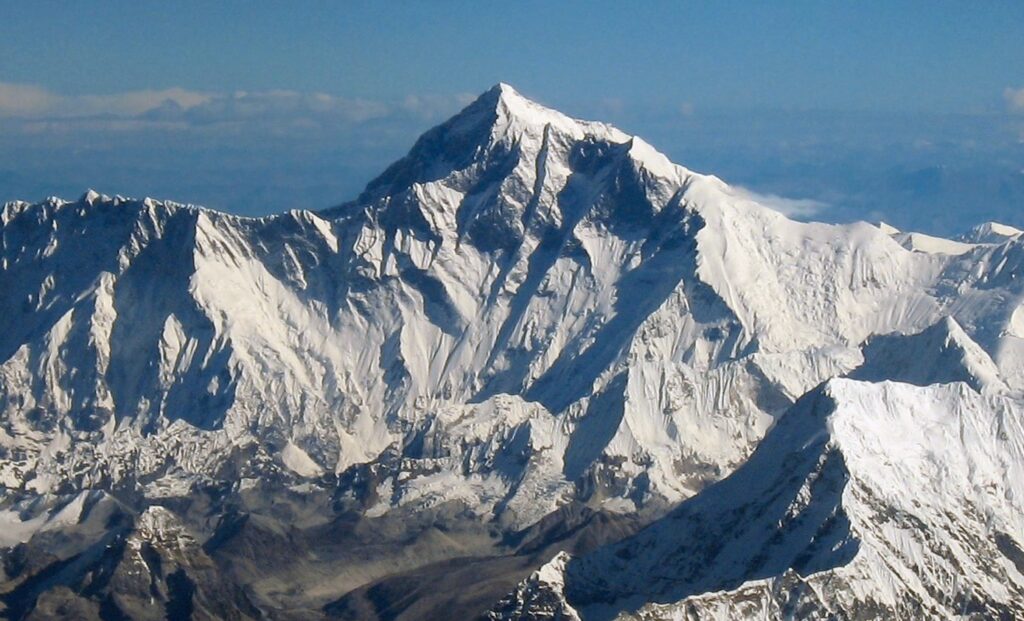
The Geography of the South Col
Camp 4 is situated on the South Col, a high-altitude plateau scoured by relentless winds. It is accessible via the Southeast Ridge route, primarily after climbers have successfully negotiated the daunting Lhotse Face. The terrain is a mix of rock, ice, and hard-packed snow, often described as a lunar landscape due to its desolate and unforgiving nature.
Strategic Importance of the Location
The placement of Camp 4 is dictated by the topography of the mountain. It is the only relatively flat area high enough to allow climbers a few hours of rest before the final ascent. However, its exposure to the jet stream means that tents must be securely anchored to the rock and ice to prevent them from being swept away by hurricane-force winds.
Living in the Death Zone: The Physical Reality
At 7,900 meters, climbers enter the Death Zone. In this environment, the oxygen levels are insufficient to sustain human life indefinitely. Every minute spent at Camp 4 is a race against time. Climbers rely heavily on supplemental oxygen systems to maintain core body temperature and cognitive function.
Key Facts About Camp 4
- Altitude: Approximately 7,900m (26,085 ft).
- Oxygen Levels: Roughly 30% of the oxygen available at sea level.
- Temperature: Average nighttime temperatures can drop below -30°C (-22°F), with wind chills reaching even more extreme lows.
- Function: Final rest point before the summit bid and first safety point during descent.
- Stay Duration: Ideally no more than 24 hours due to the physiological toll of extreme altitude.
The Final Push: From Camp 4 to the Summit
The journey from Camp 4 to the summit of Everest (8,848m) typically begins in the late evening, usually between 8:00 PM and 11:00 PM. This “Alpine Start” is designed to ensure that climbers reach the summit by mid-morning and descend back to the safety of Camp 4 before the afternoon weather deteriorates or darkness falls.
Navigating the Southeast Ridge
From the South Col, climbers ascend the triangular face of Everest toward the “Balcony” (8,400m). From there, they follow the Southeast Ridge to the South Summit, negotiate the Hillary Step, and finally reach the true summit. Every step taken from Camp 4 is a feat of endurance, requiring immense mental fortitude and physical preparation.
Essential Gear and Logistics at Camp 4
Logistics at this altitude are managed with military precision. Sherpas and high-altitude porters perform the Herculean task of carrying oxygen cylinders, tents, and fuel to Camp 4 weeks before the summit window opens.
Survival Equipment
Climbers at Camp 4 utilize specialized high-altitude gear, including:
- 8000m Down Suits: Integrated one-piece suits designed for maximum thermal retention.
- Oxygen Systems: Lightweight carbon-fiber cylinders and regulators (Topout or Summit Oxygen masks).
- High-Calorie Nutrition: Gel packets and simple sugars, as digestion slows significantly at high altitudes.
- Satellite Communications: Critical for receiving real-time weather window updates from base camp meteorologists.
Conclusion
Everest Base Camp 4 is the ultimate test of human resilience. It is a place where the margin for error is non-existent and where the majesty of the Himalayas meets the harsh reality of extreme survival. For those who reach the South Col, Camp 4 represents the final barrier between a lifelong dream and the highest point on the planet. Success here depends not just on physical strength, but on meticulous planning, respect for the mountain’s power, and an unwavering focus on the descent.
Frequently Asked Questions
How long do climbers stay at Camp 4?
Most climbers aim to stay at Camp 4 for less than 24 hours. They typically arrive in the afternoon, rest for a few hours, and depart for the summit that night. Prolonged stays significantly increase the risk of high-altitude cerebral edema (HACE) or pulmonary edema (HAPE).
Is Camp 4 the same as the South Col?
Yes, on the South Side (Nepal) route, Camp 4 is located on the South Col. On the North Side (Tibet) route, Camp 4 is located at a lower altitude (approx. 7,000m) with subsequent camps (5 and 6) leading to the summit.
Do climbers sleep at Camp 4?
True sleep is almost impossible at 7,900 meters. Climbers usually enter a state of “rested wakefulness” while breathing supplemental oxygen, attempting to hydrate and conserve energy for the summit push.
RELATED TRIPS
Everest Base Camp Trek 12 Days Nepal
Embark on the adventure of a lifetime with the Everest Base Camp Trek, where breathtaking views and rich Sherpa...

5 Day Everest View Trek: Unforgettable Journey into the Himalayas
Enjoy the breathtaking beauty of the 5-Day Everest View Trek, with stunning mountain vistas blending with the richness of...
Everest Base Camp Kalapathar Trek
Everest base camp trek is an adventure of a lifetime, for anyone who have always dreamed soaring above the...
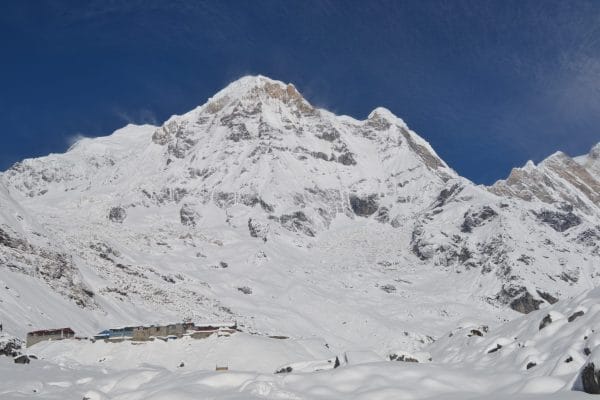
Annapurna Base Camp Trek
Embark on a unique trek that takes you past lush green forests, picturesque villages and terraced farmlands overlooking glacier...
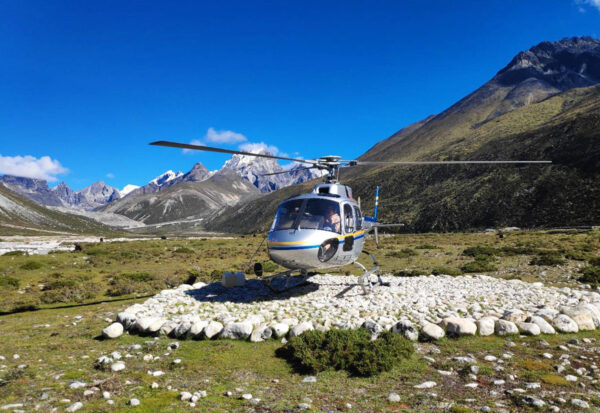
Everest view Helicopter Tour
To see the Mt. Everest is a dream of every one. But everyone cannot trek to that height so...

