
Altitude Sickness: Symptoms & Prevention Guide
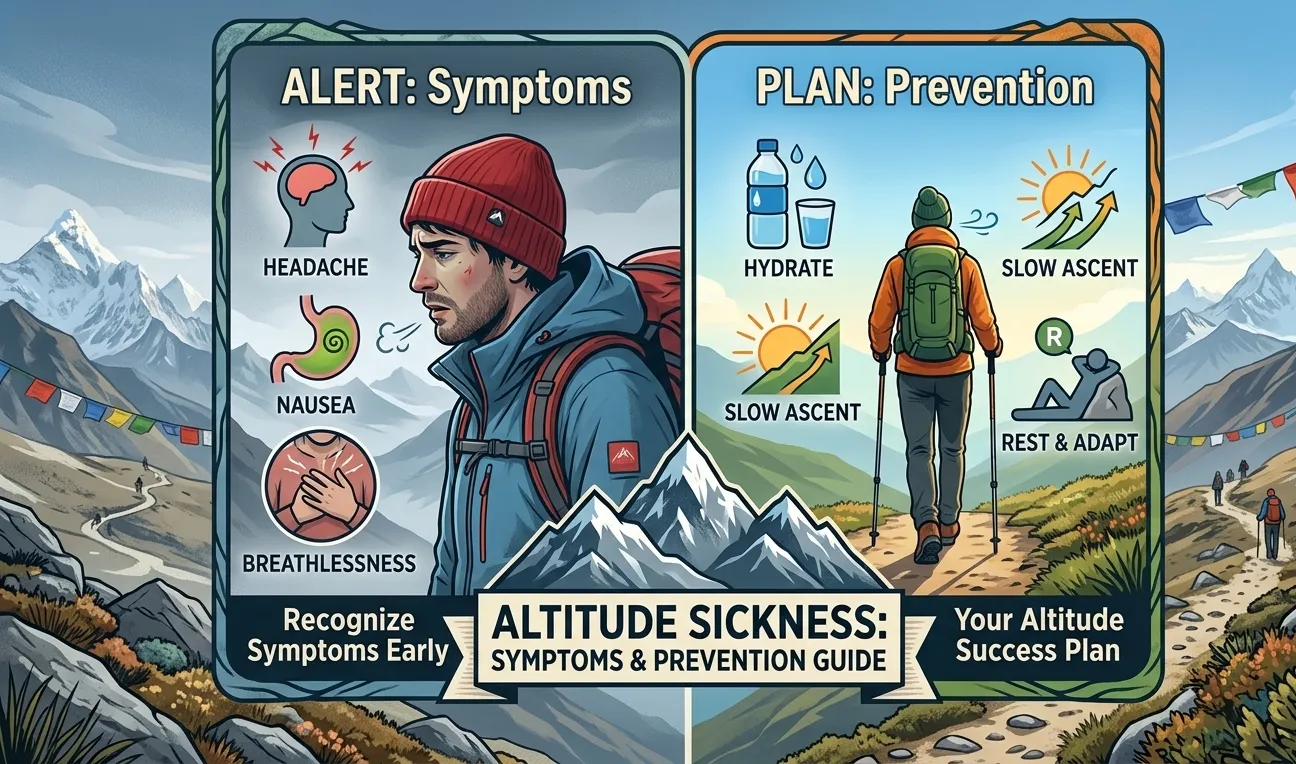
Understanding and Preventing Altitude Sickness Symptoms
Are you planning an exhilarating high-altitude adventure? Whether you’re trekking through the majestic Rockies or discovering the breathtaking Andes, one crucial consideration is altitude sickness. This common yet often underestimated condition can cast a shadow over your trip if you’re not well-prepared. By gaining a deeper understanding of what altitude sickness is, identifying its symptoms, and learning effective prevention strategies, you can ensure your adventure goes smoothly and remains memorable for all the right reasons.

What is Altitude Sickness?
Altitude sickness, also referred to as acute mountain sickness (AMS), occurs when your body struggles to absorb sufficient oxygen from the air at elevated altitudes. Typically, it affects individuals who ascend too swiftly to altitudes above 8,000 feet. As you ascend higher, the air density decreases, resulting in less oxygen available for your body to utilize efficiently.
Why Does It Happen?
The primary cause of altitude sickness is the rapid ascent to high altitudes, which deprives your body of the opportunity to acclimatize to the reduced oxygen levels. When you ascend quickly, your body can’t adapt to the thinner air, leading to a cascade of symptoms that can range from mild discomfort to severe complications. Understanding why altitude sickness occurs is crucial in recognizing its early signs and taking proactive measures to mitigate its effects.
The Physiological Impact
The physiological impact of altitude sickness on your body is profound. As you ascend to higher elevations, your body undergoes various changes to compensate for the reduced oxygen availability. This includes an increase in breathing rate and heart rate to enhance oxygen uptake. However, if these adjustments are insufficient, symptoms can manifest. Recognizing these physiological changes can help you stay alert to the onset of altitude sickness and take timely action.
The Role of Acclimatization
Acclimatization is the process by which your body gradually adjusts to higher altitudes. It involves a series of adaptations that optimize oxygen delivery to your tissues and organs. A well-acclimatized individual can tolerate higher altitudes with minimal symptoms. Understanding the role of acclimatization emphasizes the importance of pacing your ascent and allowing your body the time it needs to adapt to the changing environment.
Recognizing Altitude Sickness Symptoms
Altitude sickness symptoms can surface within hours of reaching a high altitude. Being vigilant about these signs is essential for taking swift and appropriate action to prevent the condition from worsening.
Common Symptoms
Altitude sickness presents a spectrum of symptoms that vary in intensity. Awareness of these symptoms can empower you to respond promptly and effectively.
- Headache: A persistent, dull headache is often the earliest indicator of altitude sickness. It can range from mild discomfort to severe pain, signaling your body’s struggle with the reduced oxygen levels.
- Nausea and Vomiting: Feeling queasy or experiencing stomach discomfort is a prevalent symptom. This can escalate to vomiting, which further dehydrates your body and exacerbates your condition.
- Dizziness: A sensation of spinning or lightheadedness can occur, affecting your balance and coordination. This symptom can be disorienting, especially in challenging terrains.
- Fatigue: Unusual tiredness or lack of energy, even with minimal physical activity, is a common complaint. This fatigue can impede your ability to enjoy the adventure fully.
- Sleep Disturbances: Trouble sleeping or waking up frequently during the night is often reported. Sleep disturbances can hinder your body’s recovery and adaptation process.
- Loss of Appetite: A decrease in hunger or interest in eating is a typical symptom. This can lead to inadequate nutrition and energy levels, further complicating your body’s ability to acclimatize.
Severe Symptoms
In some cases, altitude sickness can progress to more serious conditions like high-altitude pulmonary edema (HAPE) or high-altitude cerebral edema (HACE), which require immediate medical attention.
- Severe Shortness of Breath: Difficulty breathing even when resting is a critical sign of HAPE, indicating fluid accumulation in the lungs.
- Confusion or Hallucinations: Changes in mental state or behavior, such as confusion or hallucinations, suggest HACE, a life-threatening condition that affects the brain.
- Loss of Coordination: Difficulty walking or maintaining balance can result from both HAPE and HACE, compromising your safety in challenging environments.
- Persistent Cough: Often accompanied by frothy or pink sputum, a persistent cough indicates fluid buildup in the lungs, necessitating immediate medical intervention.

Preventing Altitude Sickness
While altitude sickness can be concerning, there are several strategies to prevent it. Preparation is key to ensuring your trip is safe and enjoyable.
Ascend Gradually
One of the most effective ways to prevent altitude sickness is to ascend slowly. By allowing your body time to adjust, you can significantly reduce the risk of developing symptoms.
- Acclimatization Days: Plan rest days during your ascent to allow your body to adapt. These breaks give your body the opportunity to acclimatize to the changing altitudes.
- Limit Daily Elevation Gain: Try not to sleep more than 1,000 feet higher each night. Gradual elevation gain reduces the stress on your body and minimizes the risk of altitude sickness.
- Monitor Your Body: Pay attention to how your body responds at each altitude. If you experience symptoms, consider taking an extra rest day to acclimatize before continuing your ascent.
Stay Hydrated
Dehydration can exacerbate altitude sickness symptoms, so it’s crucial to maintain proper hydration.
- Avoid Alcohol and Caffeine: These substances can contribute to dehydration and interfere with your body’s acclimatization process. Opt for water and herbal teas instead.
- Electrolyte Drinks: Consider drinks that replenish electrolytes to maintain a balance in your body’s fluids. Electrolytes play a vital role in muscle function and hydration.
- Monitor Fluid Intake: Keep track of your fluid intake and aim to drink small, frequent amounts throughout the day. Staying hydrated supports your body’s ability to adapt to high altitudes.
Eat a Balanced Diet
Eating a healthy diet can help your body adjust to high altitudes and maintain energy levels.
- Carbohydrates: Foods high in carbohydrates can help sustain your energy levels. Carbs are an efficient source of energy for your body, especially in high-altitude conditions.
- Avoid Heavy Meals: Opt for smaller, more frequent meals to avoid digestive issues. Heavy meals can be challenging to process at high altitudes, leading to discomfort.
- Incorporate Iron-Rich Foods: Iron is essential for oxygen transport in the body. Including iron-rich foods in your diet can support your body’s adaptation to high altitudes.
Medications
Certain medications can help prevent or alleviate altitude sickness symptoms.
- Acetazolamide (Diamox): This medication can help your body acclimatize faster by enhancing breathing and reducing symptoms. Consult a healthcare professional before use.
- Ibuprofen or Aspirin: These can help alleviate mild headaches and inflammation associated with altitude sickness. Ensure you understand the appropriate dosage and usage.
- Consult a Healthcare Professional: Before taking any medication, consult with a healthcare professional to ensure it is appropriate for you. They can provide personalized advice based on your health status.
What to Do if You Experience Symptoms
If you start experiencing symptoms of altitude sickness, it’s important to take immediate action to prevent the condition from worsening.
Stop Ascending
The first step is to stop ascending and give your body time to adjust. Continuing to climb can exacerbate symptoms and increase the risk of severe complications.
- Assess Your Symptoms: Determine the severity of your symptoms and decide whether it’s safe to continue. If symptoms are mild, consider taking a rest day at the same altitude.
- Communicate with Your Group: Inform your travel companions about your symptoms. They can provide support and assist in decision-making.
- Monitor Your Progress: Keep a close eye on your symptoms and be prepared to descend if they persist or worsen. Timely action can prevent serious health issues.
Rest and Rehydrate
Resting and drinking fluids can help alleviate mild symptoms and support your body’s recovery.
- Prioritize Rest: Limit physical activity and focus on resting. Give your body the time it needs to recover and acclimatize.
- Increase Fluid Intake: Ensure you’re drinking enough fluids to stay hydrated. Hydration is crucial for your body’s ability to adapt to high altitudes.
- Avoid Strenuous Activities: Until your symptoms improve, refrain from engaging in strenuous activities that can exacerbate your condition.
Seek Medical Attention
For severe symptoms like confusion, severe shortness of breath, or loss of coordination, seek medical help immediately.
- Recognize Emergency Signs: Understand the signs of severe altitude sickness, such as confusion and difficulty breathing, which require urgent care.
- Access Medical Facilities: Identify the nearest medical facilities or emergency services in your area before your trip. Quick access to medical help can be life-saving.
- Follow Medical Advice: If you receive medical attention, follow the healthcare professional’s advice and recommendations for treatment and recovery.

Conclusion
Altitude sickness doesn’t have to ruin your high-altitude adventure. By understanding the symptoms and taking preventive measures, you can minimize the risk and enjoy your journey. Preparation and awareness are your best allies in the mountains. With the right steps, you can focus on the breathtaking views and thrilling experiences that come with high-altitude travel. Safe travels.

RELATED TRIPS
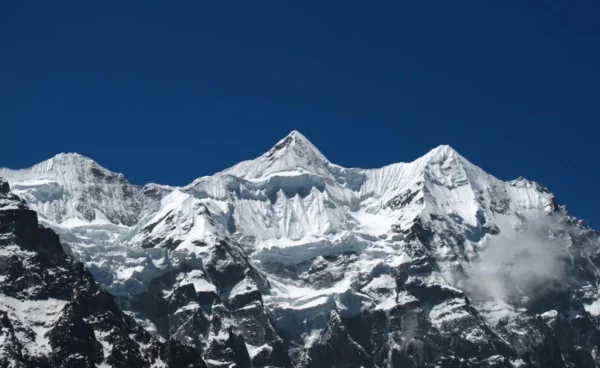
Kanchenjunga Circuit Trek
Introduction to Kanchenjunga Circuit Trek Kanchenjunga is located on the extreme east of Nepal, close to the boundary with...
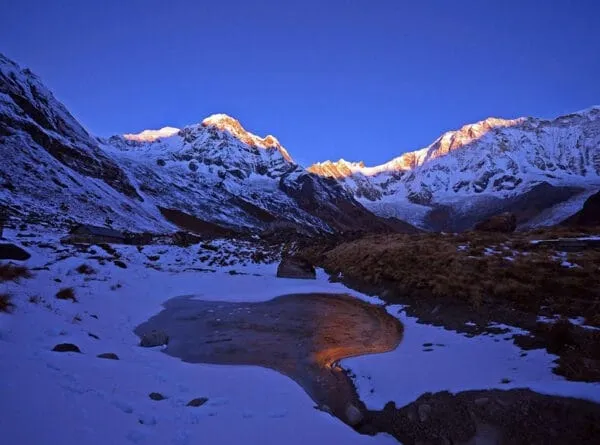
Annapurna Base Camp Trek
The 5-Day Annapurna Base Camp Trek offers a thrilling journey through Nepal’s stunning landscapes, beginning from Pokhara. Hike past...
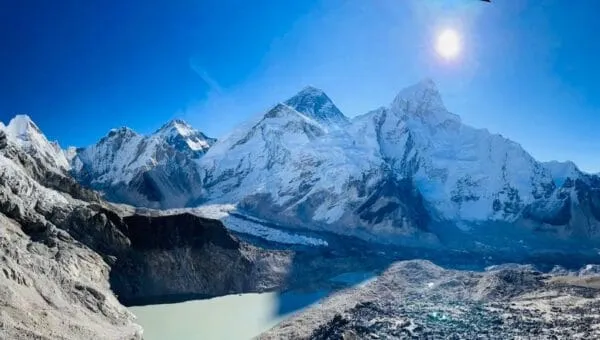
Everest Base Camp Trek 12 Days Nepal
Embark on the adventure of a lifetime with the Everest Base Camp Trek, where breathtaking views and rich Sherpa...
Kalinchowk Trek
Kalinchowk Trek is a mesmerizing 3-day trek in Nepal. It's ideal for people who not only look for exhilarating...
Everest Base Camp Helicopter Trek
Discover the Everest Base Camp Helicopter Trek: A Journey of Adventure and Culture If you’re seeking breathtaking mountain landscapes...
Explore Nepal Tour
Explore Nepal Tour is basically an overview trip of the major destinations in Nepal. From World Heritage sites of...

All Nepal Tour
Nepal Tour Guide's All Nepal Tour covers the highlighted places like Bandipur, Palpa, Pokhara, Chitwan and Lumbini, and is...
Langtang Valley Trek
Langtang Valley Trek was once a part of the Langtang National Park. Otherwise known as the Tamang Heritage Trail,...

