
How High Everest Base Camp | 2026 Ultimate Guide
How High is Everest Base Camp? A Comprehensive Guide to Altitude and Elevation
For trekkers, adventurers, and mountaineering enthusiasts, the quest to reach Everest Base Camp (EBC) represents one of the ultimate achievements in high-altitude exploration. However, before setting foot on the trail, one of the most critical questions to answer is: how high is Everest Base Camp? Understanding the elevation is not merely a matter of curiosity; it is a vital component of safety, physical preparation, and logistics.
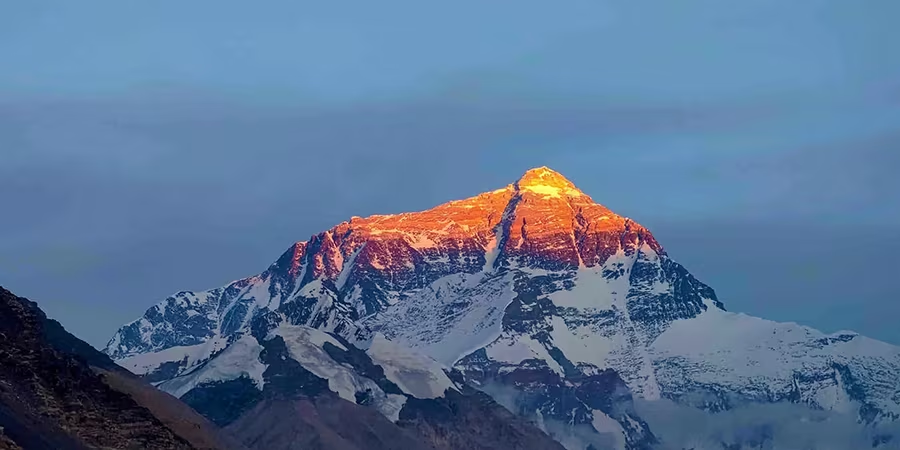
Located deep within the Himalayas, Everest Base Camp serves as the primary staging ground for climbers attempting to summit the world’s highest peak, Mount Everest. Because the mountain straddles the border between Nepal and China, there are actually two distinct base camps. This guide provides an in-depth analysis of the altitudes for both the South and North Base Camps, the physiological effects of these heights, and what you need to know to navigate the thinning air of the Khumbu region.
The Altitude of Everest Base Camp: South vs. North
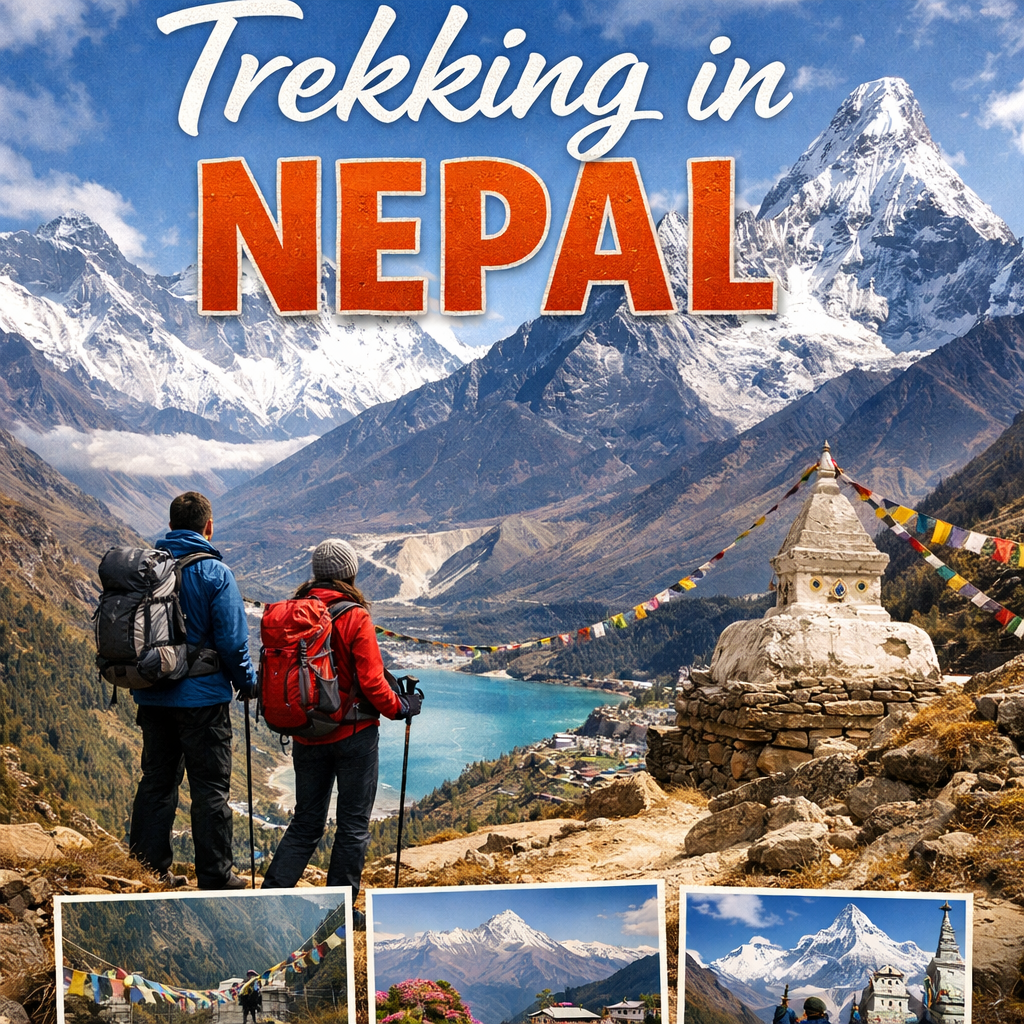
When most people refer to the “Everest Base Camp Trek,” they are speaking of the South Base Camp located in Nepal. However, the North Base Camp in Tibet also offers a unique perspective and a different elevation profile. Below are the definitive measurements for both locations.
South Everest Base Camp (Nepal) Elevation
The South Base Camp is situated at an altitude of approximately 5,364 meters (17,598 feet) above sea level. This is the culmination of the famous 12-to-14-day trek through the Sagarmatha National Park. While the base camp itself is the goal for many, most trekkers also hike to the nearby viewpoint of Kala Patthar, which sits higher at 5,545 meters (18,192 feet), to gain a panoramic view of the Everest summit.
North Everest Base Camp (Tibet) Elevation
The North Base Camp in Tibet is located at an altitude of approximately 5,150 meters (16,900 feet). Interestingly, while the North side is slightly lower than the South side, it is accessible by vehicle, meaning the risk of Acute Mountain Sickness (AMS) can be higher for those who do not spend adequate time acclimatizing during the drive from Lhasa.
Key Altitude Facts at a Glance
- South Base Camp Height: 5,364m / 17,598ft
- North Base Camp Height: 5,150m / 16,900ft
- Oxygen Levels: Approximately 50% to 53% of the oxygen available at sea level.
- Highest Point on the Trek (South): Kala Patthar at 5,545m / 18,192ft.
- Starting Point Elevation (Lukla): 2,860m / 9,383ft.
The Physiological Impact of 5,364 Meters
At an elevation of over 5,000 meters, the atmosphere is significantly thinner. It is a common misconception that the percentage of oxygen in the air decreases; in reality, the oxygen percentage remains at 20.9%. However, the barometric pressure drops, meaning there are fewer molecules of air (and thus oxygen) in any given breath.
At Everest Base Camp, your body receives roughly half the oxygen it would at sea level. This requires the heart and lungs to work significantly harder to oxygenate the blood. Professional trekking companies utilize slow ascent profiles to allow for “acclimatization,” a process where the body produces more red blood cells to carry oxygen more efficiently.
Significant Altitudes Along the South EBC Trek
The journey to Everest Base Camp is a gradual climb. Understanding the elevation of the key stops along the way helps in planning an effective acclimatization schedule:
- Lukla (Start): 2,860m (9,383ft) – The location of the world’s most dangerous airport.
- Namche Bazaar: 3,440m (11,286ft) – The Sherpa capital and a primary acclimatization hub.
- Tengboche: 3,867m (12,687ft) – Home to the famous Tengboche Monastery.
- Dingboche: 4,410m (14,468ft) – A common second acclimatization stop.
- Lobuche: 4,940m (16,207ft) – The final stop before the base camp push.
- Gorak Shep: 5,164m (16,942ft) – The last permanent settlement before EBC.
Expert Tips for Managing Altitude
Reaching an elevation of 5,364 meters is a physical challenge that should not be underestimated. To ensure a successful trek, consider the following expert recommendations:
1. The “Climb High, Sleep Low” Rule
This is the golden rule of mountaineering. During acclimatization days in Namche Bazaar or Dingboche, trekkers often hike to higher ridges during the day and return to a lower altitude to sleep. This stimulates the body to adapt without putting it under constant high-altitude stress.
2. Hydration and Nutrition
Altitude acts as a natural diuretic. You must drink 3 to 4 liters of water daily to maintain blood volume and aid oxygen transport. Additionally, a high-carbohydrate diet is recommended, as carbs are the most efficient fuel source when oxygen is scarce.
3. Monitor for AMS Symptoms
Altitude sickness can affect anyone, regardless of age or fitness level. Be vigilant for signs of Acute Mountain Sickness, which include persistent headaches, nausea, loss of appetite, and dizziness. If symptoms worsen, the only cure is immediate descent.
Conclusion
In summary, the height of Everest Base Camp is 5,364 meters (17,598 feet) in Nepal and 5,150 meters (16,900 feet) in Tibet. Reaching these heights is a monumental feat that places you in the heart of the world’s most formidable mountain range. By respecting the altitude, adhering to a professional acclimatization schedule, and understanding the physical demands of the trek, you can safely experience the awe-inspiring beauty of the roof of the world.
Frequently Asked Questions
How high is the EBC trek in miles?
In terms of vertical height, South Everest Base Camp is approximately 3.33 miles above sea level. The round-trip trekking distance is roughly 80 miles (130 kilometers).
Is Everest Base Camp higher than Mont Blanc?
Yes, significantly. Mont Blanc, the highest peak in the Alps, stands at 4,808 meters (15,774 feet). Everest Base Camp is over 500 meters higher than the summit of Mont Blanc.
Can you fly directly to Everest Base Camp?
While helicopters can land at Everest Base Camp for rescues or elite tours, there are no commercial flights. Most visitors fly into Luk
RELATED TRIPS
Annapurna Base Camp Trek
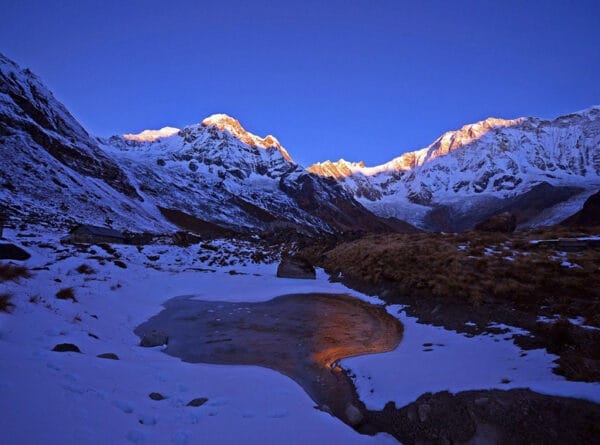
The 5-Day Annapurna Base Camp Trek offers a thrilling journey through Nepal’s stunning landscapes, beginning from Pokhara. Hike past...
Everest Base Camp Trek 12 Days Nepal
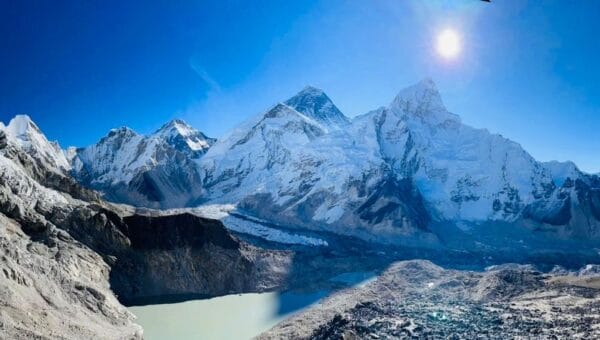
Embark on the adventure of a lifetime with the Everest Base Camp Trek, where breathtaking views and rich Sherpa...

5 Day Everest View Trek: Unforgettable Journey into the Himalayas
Enjoy the breathtaking beauty of the 5-Day Everest View Trek, with stunning mountain vistas blending with the richness of...
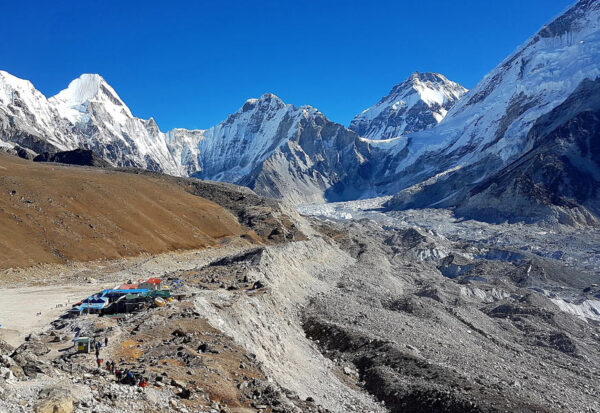
Everest Base Camp Kalapathar Trek
Everest base camp trek is an adventure of a lifetime, for anyone who have always dreamed soaring above the...
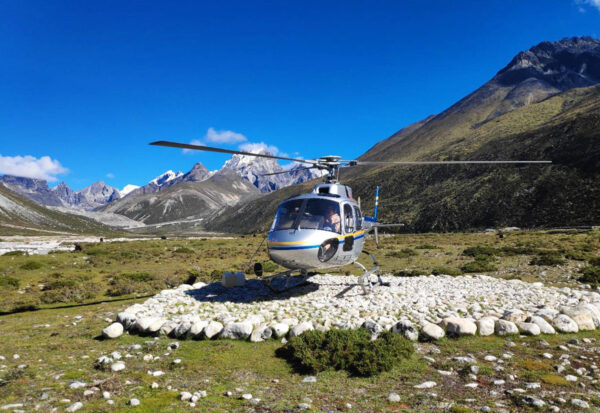
Everest view Helicopter Tour
To see the Mt. Everest is a dream of every one. But everyone cannot trek to that height so...

