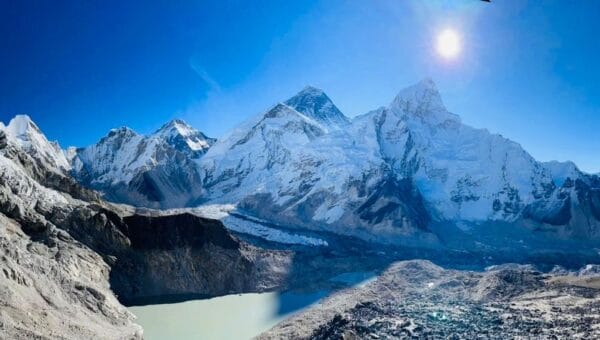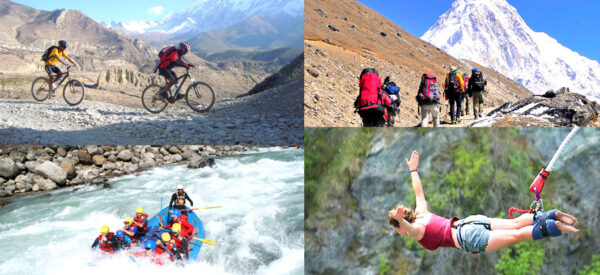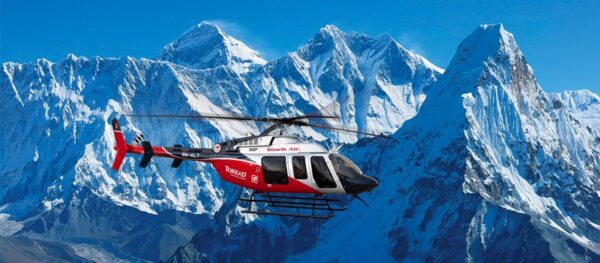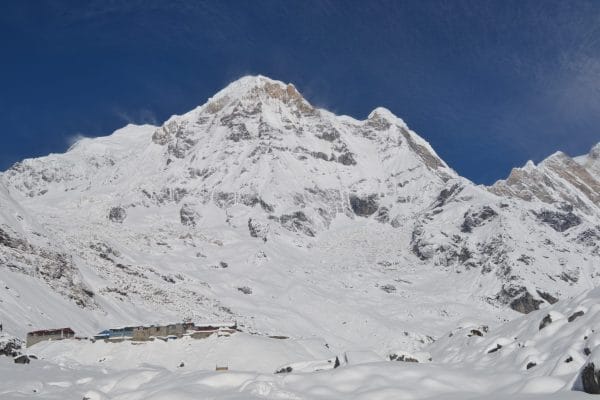
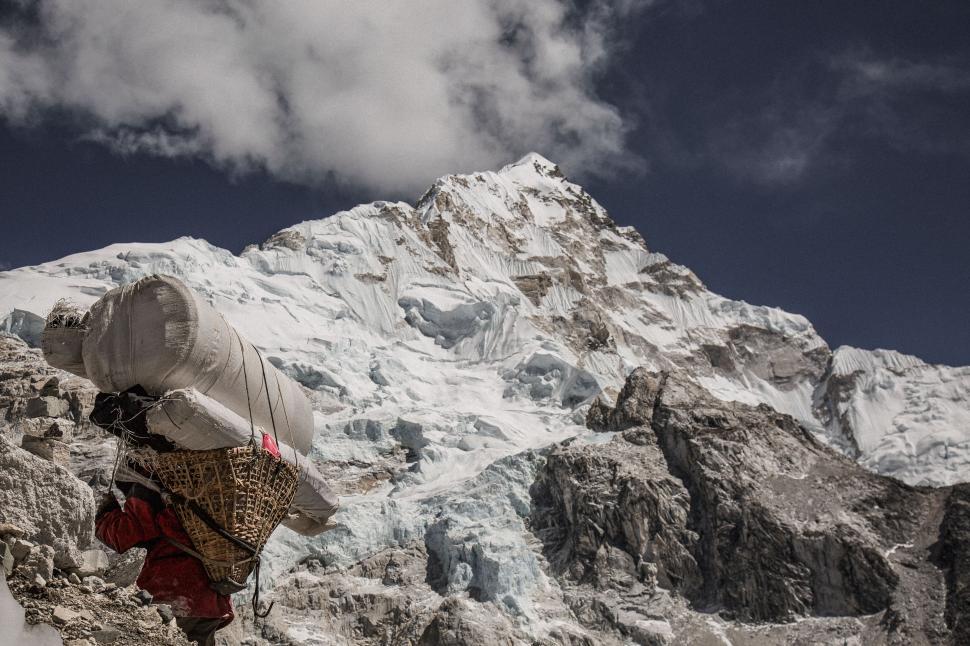
For those planning to navigate the “steps to heaven,” professional preparation is non-negotiable. This guide provides a comprehensive overview of the logistics, physical requirements, and strategic insights necessary to successfully reach the base of Mount Everest.
Key Facts About the Everest Base Camp Trek
- Total Distance: Approximately 130 kilometers (80 miles) round trip from Lukla.
- Maximum Elevation: 5,364m at Base Camp; 5,545m at the optional Kala Patthar viewpoint.
- Duration: Typically 12 to 14 days, including essential acclimatization days.
- Best Seasons: Pre-monsoon (March to May) and Post-monsoon (September to November).
- Required Permits: Khumbu Pasang Lhamu Rural Municipality Permit and Sagarmatha National Park Entry Permit.
Choosing the Right Season for the Trek
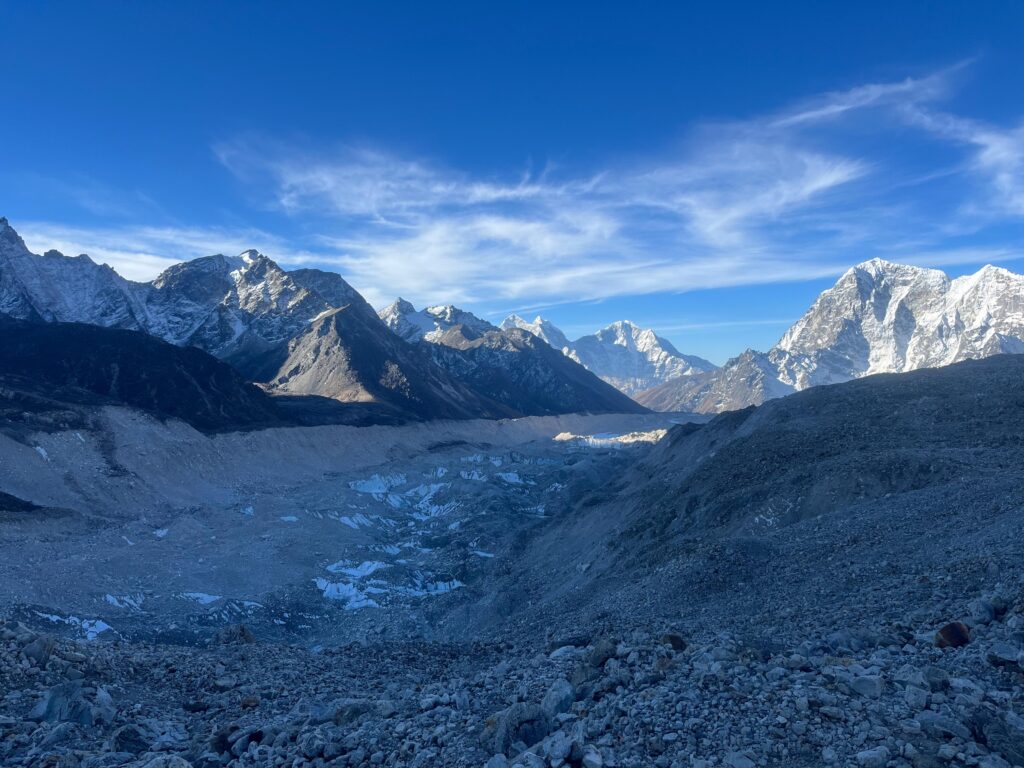
The success of an EBC expedition is heavily dictated by the Himalayan weather cycles. Professional trekkers generally target two primary windows:
Spring (March to May)
This is the most popular time for the trek. The weather is stable, and the trails are vibrant with blooming rhododendrons. This season also coincides with the Everest climbing window, meaning Base Camp will be a bustling “tent city” filled with elite mountaineers preparing for their summit bids.
Autumn (September to November)
Following the monsoon rains, the atmosphere is washed clean, offering the crispest, clearest views of Everest, Lhotse, and Ama Dablam. While temperatures are cooler than in spring, the visibility is often superior, making it the preferred choice for professional photographers.
Physical Preparation and Altitude Management
The Everest Base Camp trek is categorized as a “challenging” trek. While it does not require technical mountaineering skills or the use of ropes and ice axes, it demands significant cardiovascular health and mental fortitude.
Training Regimen
Preparation should begin at least 3–4 months prior to departure. Focus on:
- Cardiovascular Training: Long-distance hiking, running, or cycling to build aerobic capacity.
- Strength Endurance: Leg-focused weight training (squats, lunges) and core stability exercises.
- Simulation: Hiking with a weighted pack (8–10kg) to mimic trail conditions.
Acute Mountain Sickness (AMS)
Altitude is the single greatest challenge on the EBC route. Professional itineraries always include “climb high, sleep low” acclimatization days, usually at Namche Bazaar and Dingboche. Staying hydrated, maintaining a slow pace (often referred to as ‘pole-pole’ in trekking culture), and recognizing the symptoms of AMS. such as persistent headaches or nausea are critical for safety.
Essential Gear and Logistics
In the high Himalayas, gear choice can be a matter of safety rather than just comfort. A layered clothing system is essential to manage the temperature fluctuations between sun-drenched valleys and sub-zero nights.
The Packing List Essentials
- Footwear: Broken-in, waterproof trekking boots with high ankle support.
- Outerwear: A high-quality down jacket (rated to -15°C or lower) and a waterproof GORE-TEX shell.
- Sleeping Gear: A four-season sleeping bag to ensure warmth in unheated teahouses.
- Hydration: Water purification tablets or a LifeStraw, as bottled water becomes increasingly expensive and ecologically damaging at higher altitudes.
The Cultural Significance of the Khumbu
The trek is as much a cultural journey as a physical one. The Khumbu region is the ancestral home of the Sherpa people. Trekkers pass through Namche Bazaar, the “Gateway to Everest,” and can visit the Tengboche Monastery, the largest Gompa in the region. Respecting local customs such as walking to the left of Mani stones (prayer stones) and spinning prayer wheels in a clockwise direction is a fundamental part of the trekking etiquette.
Conclusion
Reaching Everest Base Camp is a life-altering experience that rewards the prepared traveler with unparalleled views and a profound sense of achievement. While the terrain is demanding and the altitude unforgiving, the infrastructure of the “Teahouse Trek” makes this legendary path accessible to those with the right mindset and physical conditioning. By respecting the mountain, the local culture, and your own physical limits, you can ensure a successful journey to the roof of the world.
Frequently Asked Questions
How much does the Everest Base Camp trek cost?
A standard 14-day trek typically costs between $1,200 and $2,500 USD, depending on the level of service, whether you hire a private guide/porter, and your personal spending habits on the trail.
Can I trek to EBC without a guide?
While experienced trekkers have historically gone solo, recent Nepalese regulations have shifted toward mandatory guiding for safety. It is highly recommended to hire a certified local guide to navigate logistics and monitor health.
Is there internet access on the trek?
Yes, many teahouses offer Wi-Fi for a fee, and “Everest Link” provides prepaid cards. However, connectivity can be intermittent and slower as you gain altitude.