
Mount Everest Base Camp Location | 2026 Ultimate Guide
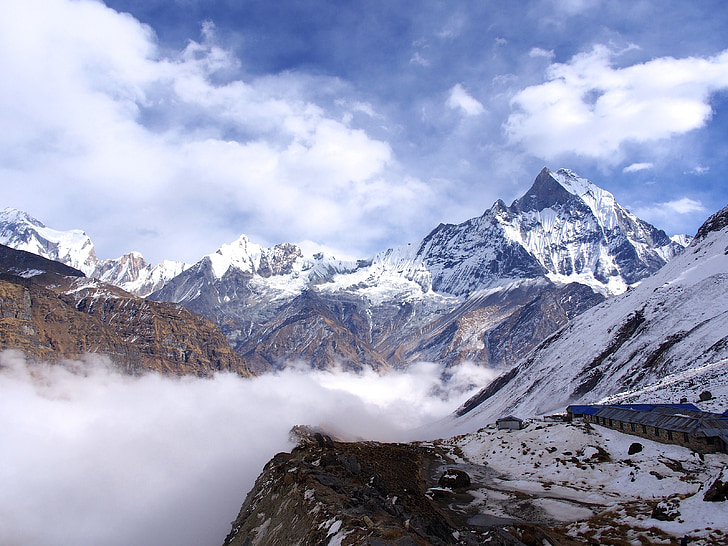
Where is Mount Everest Base Camp? A Comprehensive Geographic Guide
Mount Everest, the pinnacle of terrestrial elevation, stands as a sentinel between nations. For adventurers, trekkers, and mountaineers, the journey to its base is often the pinnacle of a lifetime. However, a common point of confusion for many planning their expedition is the exact location of the “Base Camp.” Because Mount Everest straddles the border between two countries, there are actually two distinct base camps located on opposite sides of the massif.
Understanding the geography, altitude, and accessibility of these locations is crucial for anyone looking to stand in the shadow of the world’s highest peak. In this guide, we provide an expert breakdown of the South Base Camp in Nepal and the North Base Camp in Tibet, China.
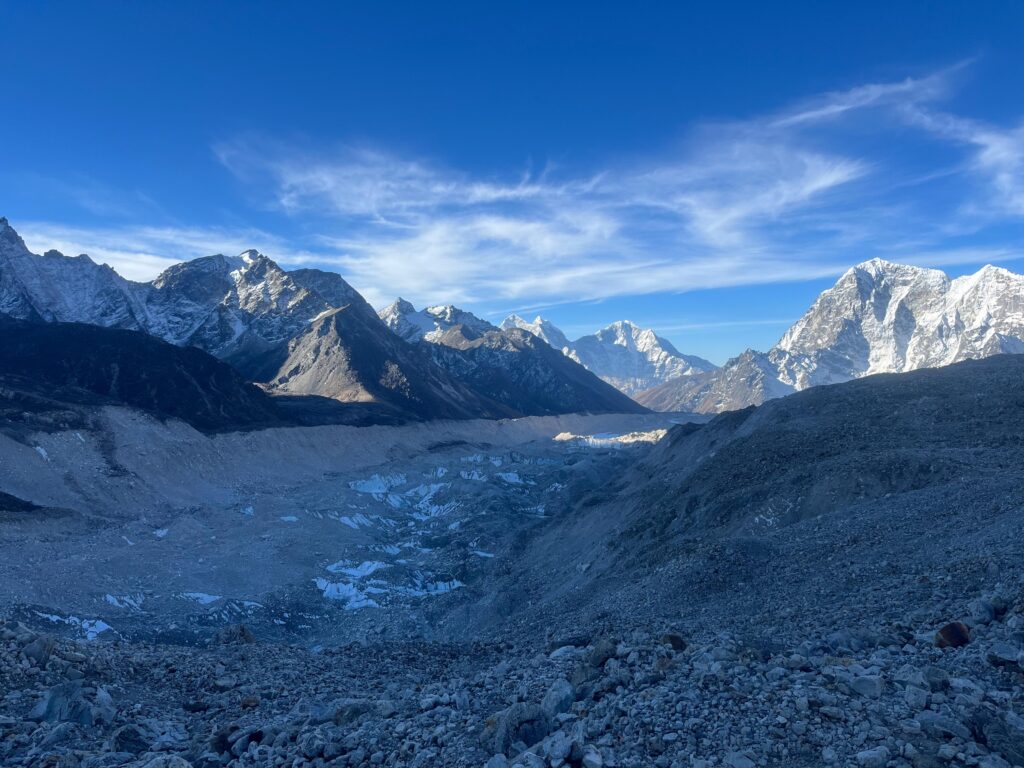
The Two Sides of Everest: North vs. South
The international border between Nepal and the Autonomous Region of Tibet (China) runs directly across the summit point of Mount Everest. Consequently, there are two primary staging areas used by climbers to acclimatize and prepare for their summit bids. These are known globally as the South Base Camp (Nepal) and the North Base Camp (Tibet).
1. South Base Camp (Nepal)
The South Base Camp is the more famous of the two, primarily due to the historic first ascent by Sir Edmund Hillary and Tenzing Norgay in 1953, and the popularity of the “EBC Trek.” It is located in the Khumbu region of northeastern Nepal within the Sagarmatha National Park, a UNESCO World Heritage site.
- Altitude: 5,364 meters (17,598 feet).
- Coordinates: 28°00′26″N 86°51′05″E.
- Access: There are no roads to the South Base Camp. Access requires a flight into the Tenzing-Hillary Airport in Lukla, followed by an 8-to-10-day trek through the Solu-Khumbu valley.
- Landscape: Situated on the moving Khumbu Glacier, surrounded by peaks like Nuptse, Pumori, and the formidable Khumbu Icefall.
2. North Base Camp (Tibet, China)
The North Base Camp provides a starkly different perspective of the mountain. Located in Tingri County, Tibet, it offers a direct, unobstructed view of the North Face of Everest. Unlike its southern counterpart, the North Base Camp is accessible by vehicle, making it a popular choice for those who wish to see the mountain without a multi-day trek.
- Altitude: 5,150 meters (16,900 feet).
- Coordinates: 28°08′29″N 86°51′05″E.
- Access: A paved road leads directly to the vicinity of the camp from the city of Shigatse. Travelers usually fly into Lhasa and drive across the Tibetan Plateau.
- Landscape: The terrain is more arid and high-desert in nature compared to the lush valleys of the Nepal side.
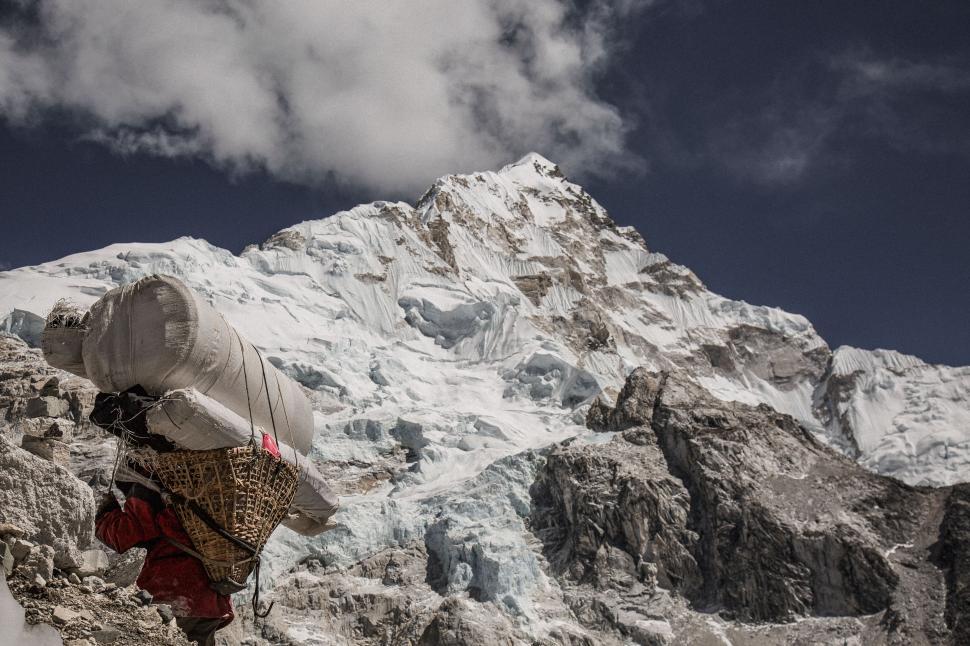
Geographic Significance of the Khumbu Region
The Nepal-side location is governed by the intricate geography of the Himalayas. The South Base Camp sits at the foot of the Khumbu Icefall, which is the first major obstacle for climbers on the southern route. The site is not a permanent settlement; rather, it is a seasonal village of tents that appears every spring (March–May) and autumn (September–November).
For trekkers, the final settlement before reaching the South Base Camp is Gorak Shep (5,164m). From here, the trail weaves through glacial moraine for approximately 3.5 kilometers to reach the official rock marker of Base Camp.
Key Facts About Mount Everest Base Camp Locations
- National Parks: The South Base Camp is located in Sagarmatha National Park (Nepal), while the North Base Camp is within the Qomolangma National Nature Preserve (China).
- Oxygen Levels: At both base camps, the effective oxygen level is approximately 50% of that at sea level.
- Visibility: Interestingly, you cannot see the actual summit of Everest from the South Base Camp itself because the massive West Shoulder and Nuptse block the view. However, the North Base Camp offers a clear view of the entire North Face and the summit.
- Permits: Both locations require specific government permits. Nepal requires a Khumbu Pasang Lhamu Rural Municipality Permit and a Sagarmatha National Park Permit. Tibet requires a Tibet Travel Permit and an Alien’s Travel Permit.
Conclusion
Whether you choose the rugged, culturally rich trekking trails of Nepal or the high-altitude plateau of Tibet, the location of Mount Everest Base Camp represents one of the most geographically significant points on Earth. For the quintessential “Everest experience” involving Sherpa culture and iconic suspension bridges, the South Base Camp in Nepal remains the premier destination. For those seeking the raw, structural majesty of the North Face via a more accessible route, the Tibet side is unparalleled.
Regardless of which side you visit, reaching the base of the world’s highest mountain is a testament to human endurance and a profound way to witness the sheer scale of our planet’s geography.
Frequently Asked Questions
Which country is Everest Base Camp in?
There are two: the South Base Camp is in Nepal, and the North Base Camp is in Tibet, China.
What is the altitude of Everest Base Camp?
The South Base Camp is at 5,364m (17,598ft), and the North Base Camp is at 5,150m (16,900ft).
Can you drive to Everest Base Camp?
You can drive to the North Base Camp in Tibet. However, the South Base Camp in Nepal is only accessible by trekking or helicopter.

