
Trekking in Nepal: Top 10 Stunning Routes
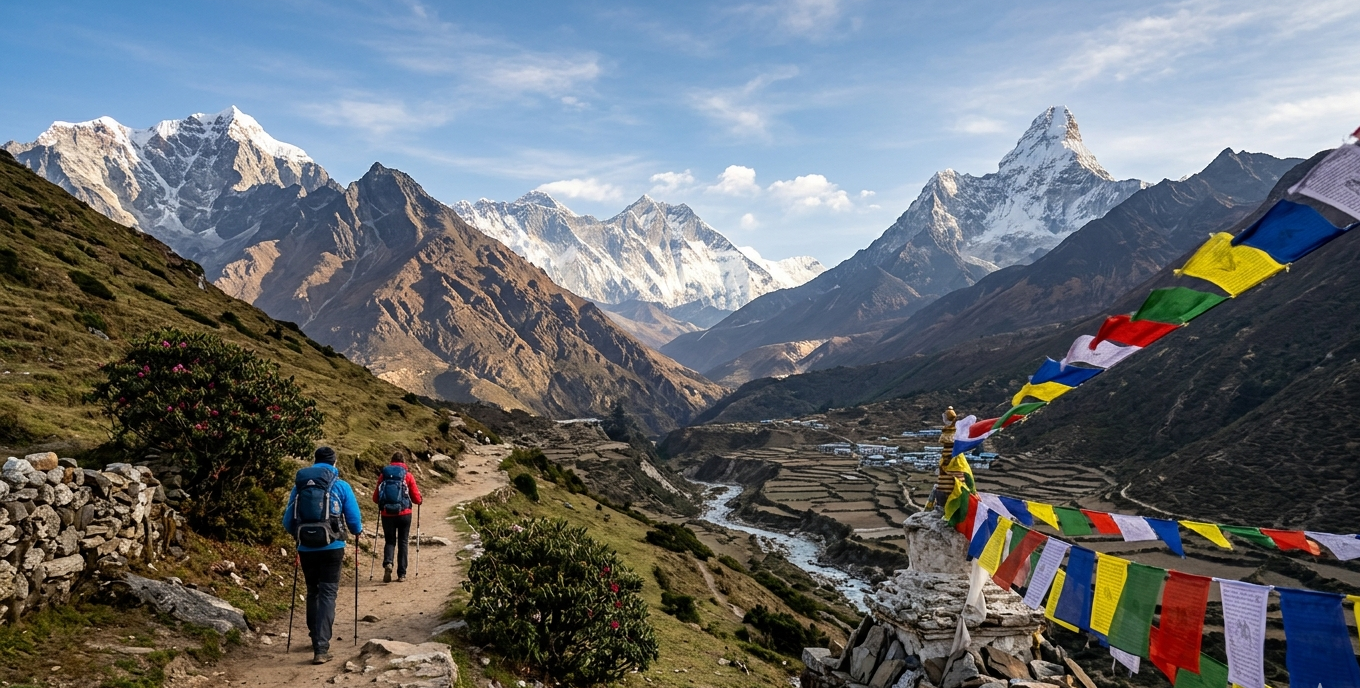
Imagine waking up to a silence so deep you can almost hear the sun hitting the icy peaks. You don’t need to be an elite athlete dangling from a rope to experience this magic firsthand. Trekking in Nepal is less about conquering vertical summits and much more about enjoying a steady, rhythmic walk through some of the most dramatic landscapes on earth.
According to Nepal’s tourism records, over a hundred thousand everyday travelers safely navigate these trails each year. The distinction between mountaineering and hiking here is crucial because you leave the technical climbing gear behind to follow ancient footpaths. These well-worn dirt trails function as local highways for villagers, porters, and yaks, seamlessly connecting remote communities across the steep mountainsides.
Carrying a massive backpack full of heavy tents and food is completely unnecessary thanks to the region’s famous hospitality. You will rely entirely on the teahouse (a mountain lodge operated by local families) network. Think of these essential stops as high-altitude bed and breakfasts, blending simple wooden rooms with incredible valley views, hot meals, and a cozy foundation for teahouse trekking.
Managing your physical response to the environment becomes your main focus as you walk higher into the mountains. Acclimatization (the process of adapting to lower oxygen levels) acts much like adjusting a vehicle’s fuel efficiency. Because the thinner mountain air provides less oxygen-fuel to your body’s engine, you must deliberately slow your daily pace to avoid altitude sickness and keep your system running smoothly.
This basic support system transforms a daunting bucket-list dream into a highly manageable adventure. Any reliable beginner’s guide to the Himalayas will emphasize that an incredible variety of accessible paths await you. Reviewing these top ten routes will help you discover a journey that perfectly matches your personal fitness, available timeline, and desire for genuine cultural connection. Whether you prefer independent planning or popular Nepal trekking packages, there is an option to fit your style.
Summary
This guide makes Himalayan trekking accessible by explaining teahouse travel, acclimatization basics, and how to match routes to your fitness, time, and cultural interests. It profiles ten standout treks—Everest Base Camp, Annapurna Circuit/ABC, Langtang, Manaslu, Upper Mustang, Ghorepani Poon Hill, Gokyo Lakes, Mardi Himal, and Kanchenjunga—highlighting scenery, difficulty, and unique draws. You’ll also find essential planning tips on permits (TIMS and restricted areas), guides, packing and layering, altitude safety and insurance, and the best seasons. The goal is a safe, rewarding trek for both first-timers and seasoned hikers.
How this guide was put together (E-E-A-T)
To keep this guide helpful and trustworthy, the routes below were selected based on how commonly they are operated by licensed trekking agencies, the reliability of teahouse infrastructure (where applicable), and the range of time commitments and difficulty levels. Where costs, permits, and regulations are mentioned, treat them as planning estimates; requirements can change, so confirm current rules with your registered guide/agency and the official Nepali authorities before you go.

Why Everest Base Camp Remains the Gold Standard for History and Scale
Walking in the shadow of the world’s tallest mountain transforms a bucket-list dream into a tangible, step-by-step reality. When weighing Everest Base Camp vs Annapurna Circuit, Everest offers an unmatched sense of historical scale. Your journey winds through the Khumbu region, the high-altitude valley system that serves as the ancestral home of the local people. Because you are constantly gaining elevation, managing your body’s oxygen intake through slow, rhythmic walking is crucial to handle the thinner air. For a detailed day-by-day look at acclimatization stops and logistics, see this Everest Base Camp trek guide.
Several days into the hike, the trail delivers you to Namche Bazaar. Think of this bustling, horseshoe-shaped village as a mountain metropolis where ancient Sherpa culture meets modern teahouse trekkers. Taking an extra acclimatization day here isn’t just a safety requirement; it is a chance to drink ginger tea in local bakeries while giving your internal engine time to adapt to the lower oxygen levels.
Beyond the base camp itself, the trail is packed with incredible photo opportunities that require no technical climbing skills to reach. Pace yourself and keep your camera ready for these three legendary landmarks:
- The Hillary Bridge: A dizzyingly high, steel suspension bridge draped in thousands of colorful prayer flags.
- The Tengboche Monastery: The spiritual center of the valley, offering sweeping views of the surrounding mountain giants.
- The Khumbu Icefall view: A jagged, frozen river of ice that towers near the trek’s climax.
Standing at the foot of Everest is profoundly rewarding, though the landscape at that height is mostly stark rock and ice. While some visitors prefer trekking to Annapurna Base Camp to experience softer, greener valleys, Everest delivers pure, rugged alpine drama. Beyond this stark rocky world lies a completely different environment waiting on the Annapurna Circuit.
Crossing the Thorong La Pass: The Ecological Diversity of the Annapurna Circuit
While Everest surrounds you with towering rock and ice, the Annapurna Circuit offers a drastically different visual journey. You are essentially walking through four distinct climate zones in a single expedition, starting near sweltering banana plantations and ending in a freezing alpine desert. Experiencing the sweeping ecological diversity Nepal is famous for means you might strip down to a t-shirt on Tuesday and need a heavy down jacket by Thursday.
As you hike higher, lush green forests eventually surrender to a barren, lunar landscape. This dramatic shift occurs because the trail crosses into a “rain shadow area”-a dry, high-altitude desert on the backside of the mountains where monsoon clouds cannot reach. Walking through this arid, Tibetan-like plateau offers a quiet, stark beauty unique among multi-day hikes.
Modern progress has altered this classic route, bringing rural jeep roads to the lower valleys. Fortunately, you do not have to share your Himalayan escape with passing vehicles. Local organizers mapped the NATT trails (New Annapurna Trekking Trails), a clever network of marked footpaths that deliberately bypass the dusty roads to keep hikers immersed in peaceful forests and traditional teahouse villages.
The trek culminates at the Thorong La Pass, a daunting mountain saddle sitting just under 18,000 feet. Conquering this high-altitude crossing requires an early morning start and steady pacing, but the triumphant summit view is unforgettable. If navigating such an extreme pass feels intimidating, venturing straight into the mountain’s core is an excellent alternative.
Standing in the Annapurna Sanctuary: Why ABC is the Perfect Mid-Length Trek
If dedicating three weeks to a high-altitude crossing sounds daunting, you are not alone. Among the short treks Nepal offers, trekking to Annapurna Base Camp in Nepal provides a perfect alternative. Taking just seven to ten days, it stands out as one of the best beginner-friendly trails near Pokhara. You do not need elite endurance to complete this journey; if you can comfortably walk across a large city for several days in a row, you can easily manage the daily distances required here.
The magic of this trail lies in how it funnels you into a geographical marvel known as the Annapurna Sanctuary. Imagine stepping into a massive sports stadium, but instead of concrete bleachers, you are entirely encircled by vertical walls of ice and rock. Getting inside this natural amphitheater requires hiking past Machhapuchhre (Fishtail Mountain), a striking, sacred peak that perfectly resembles a giant, snow-capped fishtail piercing the sky. If you want a dedicated itinerary and route overview, this Annapurna Sanctuary trek resource is a useful companion.
Ultimately, the trek to Annapurna Base Camp places you directly at the center of this mountain cathedral without weeks of grueling buildup. Sleeping in a teahouse surrounded by an unbroken ring of towering summits gives you maximum visual reward for a moderate time commitment. If you’re choosing a shorter version for a tight schedule, compare options in this 5-day Annapurna Base Camp trek guide. Yet, if you desire a shorter journey that pairs spectacular alpine valleys with profound cultural resilience, a different region awaits.

The Valley of Glaciers: Reclaiming the Langtang Trek
If your time is limited, you do not need a domestic flight to reach the high Himalayas. Among the close treks to Kathmandu, the Langtang Valley trek stands out for its dramatic speed from city to snow. Within just three days of driving out of the capital and lacing up your boots, you will find yourself walking directly beneath massive, high-altitude glaciers.
Beyond the ice, this path offers a profound lesson in human resilience. The 2015 earthquake devastated this valley, yet hiking here today directly supports a remarkable local economic recovery. This area is the heartland of the Tamang people-an indigenous mountain community with rich Tibetan roots. Many trekkers even detour onto the Tamang Heritage Trail to sleep in newly rebuilt teahouses and experience this vibrant, welcoming culture firsthand.
The culinary rewards are equally unique, especially when you reach the high-elevation village of Kyanjin Gompa. Here, a legendary Swiss-style yak cheese factory provides the perfect savory fuel to taste after a long morning of uphill walking. Langtang offers a beautiful blend of accessible glaciers and cultural warmth, but if you crave a longer, more isolated journey, the answer lies in the Manaslu Circuit.
Manaslu Circuit: The ‘New Annapurna’ for Off-the-Beaten-Path Seekers
Imagine hiking one of the world’s most spectacular mountain trails, but without the morning traffic jams found on other famous routes. The Manaslu Circuit offers exactly this quiet grandeur, widely considered the modern alternative to the increasingly developed Annapurna region. Exploring these remote off-the-beaten-path routes in Manaslu means circling the world’s eighth-highest peak and eventually conquering the Larke La pass-a challenging high-altitude trail crossing that tests your endurance but rewards you with sweeping, icy views of the Tibetan borderlands. For a practical look at route stages and planning, see this Manaslu Circuit trek guide.
Because this region touches sensitive national borders, the Nepali government strictly controls who can enter. While you might already be familiar with standard national park entry tickets, Manaslu requires securing specialized restricted area permits. This extra layer of paperwork is actually a blessing in disguise, as it is exactly what preserves the trail’s untouched character. To legally trek here, you must arrange three mandatory logistics through a registered agency:
- A Restricted Area Permit (RAP) specific to the region.
- A minimum group size of at least two foreign trekkers.
- A local professional, meaning you must budget for the cost of hiring a licensed mountain guide in Kathmandu before departure.
Navigating these extra regulations and costs absolutely pays off when you experience the deep, authentic Tibetan-influenced culture thriving in these isolated villages. You aren’t just paying for paperwork; you are investing in a pristine Himalayan experience away from the crowds.
Upper Mustang: Walking Through the ‘Forbidden Kingdom’ and High-Altitude Deserts
Stepping into Upper Mustang feels like walking onto Mars, right inside the Himalayas. You know Nepal has diverse climates, but entering Upper Mustang reveals the true extreme of the “rain shadow.” Instead of lush forests, this high-altitude desert features wind-carved canyons and mysterious “sky caves,” which are ancient man-made dwellings carved directly into sheer rock walls. If this is on your shortlist, this Upper Mustang trek guide can help you understand the restricted-area requirements and best seasons.
The journey to the walled capital city of Lo Manthang grants access to a world practically frozen in time. Until 1992, this “Forbidden Kingdom” was strictly closed to outsiders, perfectly preserving its deep roots in Tibetan Buddhism. Entry demands a premium $500 restricted area permit for your first ten days. For travelers seeking exclusive immersion rather than a standard physical hike, this fee is a worthwhile toll to experience the most authentic Tibetan culture Nepal offers today.
Springtime visitors often elevate this mystical experience by witnessing the Tiji Festival, a vibrant three-day celebration featuring monks performing ancient dances in elaborate masks. While this stark kingdom provides a rich cultural deep-dive, the premium costs aren’t for everyone. If you prefer a shorter, greener introduction to the mountains without heavy paperwork, your perfect starting point might be the classic trek to Ghorepani Poon Hill.
Ghorepani Poon Hill: The Golden Sunrise for Beginners
If you want beginner-friendly trails near Pokhara, the Ghorepani trek is the perfect introduction. These short trekking routes let you walk beneath 8,000-meter peaks in just four days of walking. Along the way, you will hike through lush rhododendron forests-dense mountain woods filled with vibrant red and pink blooms that feel a world away from the high-altitude deserts.
Pacing is your best tool here, especially when facing the famous “Staircase of Ulleri.” This steep stone path features over 3,000 steps. While that sounds intimidating, it is entirely manageable if you treat it like a slow, steady walk rather than an athletic race. By taking frequent breaks at trailside teahouses, your body comfortably adjusts to the uphill effort without burning out before the summit.
The ultimate reward introduces you to viewpoint hiking-climbing a scenic ridge specifically for the vista rather than conquering a mountain peak. With a strategic 4:30 AM start, you will watch the Poon Hill sunrise paint the Himalayas in brilliant gold.

Gokyo Lakes: The Turquoise Alternative to Everest Base Camp
While many hikers spend months debating between the most famous base camps, a third option quietly outshines them both. The Gokyo Lakes trek offers the same sweeping Himalayan views but replaces the crowded main trails with serene, high-altitude waters. Instead of sleeping in a bustling transit hub, you rest at peaceful lakeside lodges, watching the reflections of towering peaks ripple across brilliant turquoise water.
Reaching these remote shores introduces you to glacial lakes-massive pools of pure meltwater fed directly by the surrounding ice giants. To access the highest villages, your route gently winds alongside the Ngozumpa Glacier, the longest ice flow in the Himalayas. Unlike technical mountaineering on slippery slopes, walking near this frozen river requires no ropes or special gear.
Your path here safely follows the lateral moraine, a massive ridge of dirt and loose rock pushed aside by the slowly moving glacier. Trekking along this natural gravel highway feels like walking on the edge of a lunar crater, offering dramatic vantage points without the danger of crossing deep ice crevices.
Mardi Himal: The Rising Star of Ridge Trekking
Stepping away from deep valley trails, the Mardi Himal trek provides a brilliant new perspective. This off-the-beaten-path Annapurna route offers the finest ridge trekking Nepal has available. Imagine walking along the crest of a massive roof; rather than staring up from below, you hike at eye-level with the clouds. By navigating these elevated pathways during the day but sleeping at lower elevations, you secure breathtaking views with a much lower risk of extreme altitude sickness.
Your journey relies on a stepping-stone approach, safely bringing you to High Camp-a final, high-altitude rest stop before the ultimate viewpoint. A crisp morning walk then leads to Base Camp, the literal foot of the mountain where climbers typically begin their technical ascents. Here, without needing any specialized gear, you stand thrillingly close to the sacred, unclimbed peak of Machhapuchhre.
Unlike older commercialized trails, you spend your evenings resting in quiet eco-lodges that actively prioritize sustainability. Once you experience the balanced magic of this modern trail, you may feel ready to tackle something truly wild.
Kanchenjunga Base Camp: The Ultimate Challenge in Far-Eastern Nepal
If you have already tested your lungs above 5,000 meters and crave true isolation, Nepal’s far-eastern border offers the ultimate challenge. Reaching Kanchenjunga base camp requires a massive three-week commitment far from cozy teahouses. Instead, you will experience expedition-style trekking-a traditional method where a dedicated crew carries tents and cooks your meals because permanent lodges rarely exist in these remote valleys.
Stepping into this rugged environment means trading modern comfort for untouched wilderness. While navigating dense rhododendron forests and scanning the alpine scrub for elusive snow leopards, this long-distance hiking route demands absolute self-reliance. Because remote trekking keeps you several days away from roads or medical help, you must pack specifically for isolation:
- Satellite communication device: For emergency SOS signaling or critical weather updates.
- High-calorie snacks: To conveniently supplement camp meals when your energy dips.
- Heavy-duty water purification: For safely treating wild stream water along the trail.
Surviving this harsh but beautiful landscape proves you are ready for the Himalayas’ deepest corners. To ensure you finish strong, strict oxygen management is essential.
The ‘Fuel Efficiency’ Guide: How to Prevent Altitude Sickness
As atmospheric pressure drops in the mountains, the air spreads out, meaning every breath delivers significantly less oxygen. Pushing this oxygen-starved internal engine too fast causes Acute Mountain Sickness (AMS), a condition where your body essentially overheats from the strain. Mastering how to prevent altitude sickness means treating yourself like a fuel-efficient machine rather than a race car.
Your most effective daily medicine combines extremely slow pacing with constant hydration. Guides will enforce mandatory acclimatization days, which are strategic itinerary pauses where you hike to a higher elevation during the afternoon but return to a lower valley to sleep. This classic “climb high, sleep low” strategy safely tests your biological limits while providing a thicker atmosphere for overnight recovery.
Recognizing your body’s specific reactions to these environmental changes remains critical for survival. A mild headache is a standard adjustment symptom, often managed by resting, drinking water, or using preventative doctor-prescribed medications. However, severe confusion, a staggering walk, or a wet cough signal HAPE or HACE-dangerous fluid buildup in the lungs or brain-requiring an immediate, rapid descent. This section is not medical advice; if you have questions about altitude medication or health risks, consult a qualified clinician before your trip.
Even the fittest athletes require a robust safety backup, making emergency planning completely non-negotiable. Before flying to Nepal, you must purchase essential travel insurance for high-altitude medical evacuation to guarantee immediate helicopter rescue coverage if your health suddenly declines.
Navigating the Village Network: Logistics, Permits, and Packing
Leaving the realm of medical preparation behind, your daily reality on the trail revolves around a comfortable rhythm of walking and eating. Rather than camping in the wilderness, you will rely on the teahouse network spaced every few hours along the path. The plywood rooms are simple, but the meals are incredibly hearty. You will quickly discover “Dal Bhat Power,” an affectionate local phrase referring to the unlimited portions of traditional lentil soup and rice that provide the massive carbohydrate energy required to keep your legs moving.
Before you can legally take your first step toward those meals, however, the Nepalese government requires specific paperwork. Navigating trekking permits and TIMS card requirements (Trekkers’ Information Management System) ensures your route is officially logged for emergency tracking. A TIMS card acts like a mountain passport, usually costing around $15 to $20. While budgeting for these documents, also factor in the cost of hiring a licensed mountain guide in Kathmandu; spending $25 to $40 a day for an expert significantly boosts your safety and provides a rich cultural bridge to the local communities.
Carrying your gear between these villages demands a strategic approach to clothing, functioning much like a manual thermostat you adjust throughout the day. Instead of bringing heavy, restrictive parkas, the essential packing list relies entirely on the versatile Layering System:
- Moisture-wicking base: A lightweight, breathable shirt that pulls sweat away from your skin.
- Insulating fleece/down: A thick middle layer that traps your body heat when resting.
- Waterproof shell: A protective outer jacket to block harsh wind and sudden rain.
By stripping away unnecessary weight and organizing your official paperwork, the physical act of walking among these giants becomes surprisingly manageable.
Your Himalayan Roadmap: How to Choose and Book Your First Trek
You’ve moved from viewing the Himalayas as an impossible dream to seeing them as an accessible network of welcoming villages. Whether you crave the gentle cultural immersion of the beginner-friendly Langtang Valley or the dramatic alpine scenery found within classic Nepal trekking packages, your perfect trail is completely within reach.
Remember that over 50,000 ordinary people safely complete these journeys every year. If you can walk 10 miles in a local park, you absolutely can do Poon Hill. By walking these established teahouse trails, you also naturally engage in sustainable travel practices for mountain ecosystems, directly enriching the local families who will host you along the way.
Prepare for your journey by focusing on these three practical steps:
- Determine the best time to visit the Himalayas for hiking by choosing between the crystal-clear skies of Autumn or the mild, vibrant trails of Spring.
- Choose a specific route based on your personal fitness and available timeline.
- Secure your travel insurance immediately, ensuring it explicitly covers high-altitude helicopter evacuation.
The highest peaks on earth are no longer reserved for elite climbers with specialized gear. With careful planning and a sensible pace, you can trade everyday stress for a rhythmic, peaceful walk through the heart of the Himalayas while trekking in nepal.
Frequently asked Question
1. What’s the difference between trekking and mountaineering in Nepal do I need technical climbing gear?
Trekking in Nepal follows ancient footpaths that function like village highways, so you don’t need ropes or technical climbing gear. You walk between teahouse lodges each day, focusing on steady pacing and acclimatization rather than technical ascents. Even on rugged routes like Everest Base Camp, Gokyo, or the Annapurna Sanctuary, the trails are non-technical. Only the most remote options (like Kanchenjunga) shift to expedition-style trekking with tents and a support crew because permanent lodges are scarce but they’re still treks , not technical climbs.
2. How does teahouse trekking work will I need to carry tents and food?
You will sleep and eat in a network of family-run mountain lodges (teahouses), so there’s no need to haul heavy camping gear or bulk food. Expect simple plywood rooms, hot meals, and big views think high-altitude bed-and-breakfasts. Meals are hearty and frequent, with “Dal Bhat Power” (unlimited lentils and rice) fueling your days. This support system makes classic routes—from Poon Hill and Langtang to EBC, ABC, and the Annapurna Circuit far more manageable. Only in very remote regions like Kanchenjunga will you rely on tents and a cook team.
3. Which treks are best for beginners or tight schedules, and which are more challenging?
For short, beginner-friendly introductions, choose Ghorepani Poon Hill (about four walking days), Langtang (fast “city-to-glacier” access from Kathmandu), or Annapurna Base Camp (7–10 days into the dramatic Annapurna Sanctuary). Mardi Himal adds superb ridge views with a relatively lower altitude risk because you sleep lower. For bigger challenges, Everest Base Camp delivers high, rugged alpine drama; the Annapurna Circuit spans multiple climate zones and crosses the 5,400m Thorong La; Manaslu offers quiet, remote grandeur with a high pass and strict permits; Upper Mustang brings a high-desert cultural immersion (and premium restricted fees); Kanchenjunga is the ultimate, long, expedition-style trek far from teahouses.
4. What permits and guide requirements should I plan for?
Most treks require a TIMS card (a “mountain passport” typically around $15–$20) plus park or conservation permits, and rules can change—confirm with a registered agency and official authorities. Some regions are restricted: Manaslu requires a Restricted Area Permit, a minimum of two foreign trekkers, and a licensed guide booked through a registered agency. Upper Mustang also requires a restricted permit ($500 for the first 10 days). Budget for a licensed guide ($25–$40/day) both for safety and cultural insight.
5. How do I prevent altitude sickness, and what safety planning is essential?
Treat your body like a fuel-efficient engine: move slowly, hydrate constantly, and take mandatory acclimatization days using the “climb high, sleep low” approach. Mild headaches can be common as you adjust; severe confusion, staggering, or a wet cough may indicate HAPE/HACE and require immediate descent. This guide isn’t medical advice consult a clinician about medications before you go. Always purchase travel insurance that explicitly covers high-altitude helicopter evacuation. For packing, rely on a three-layer clothing system: a moisture-wicking base, insulating fleece/down, and a waterproof shell. Aim to trek in Autumn (clear skies) or Spring (mild temps and blooms) for the most reliable conditions.
RELATED TRIPS
Annapurna Base Camp Trek
The 5-Day Annapurna Base Camp Trek offers a thrilling journey through Nepal’s stunning landscapes, beginning from Pokhara. Hike past...
Everest Base Camp Trek 12 Days Nepal
Embark on the adventure of a lifetime with the Everest Base Camp Trek, where breathtaking views and rich Sherpa...
Kalinchowk Trek
Kalinchowk Trek is a mesmerizing 3-day trek in Nepal. It's ideal for people who not only look for exhilarating...
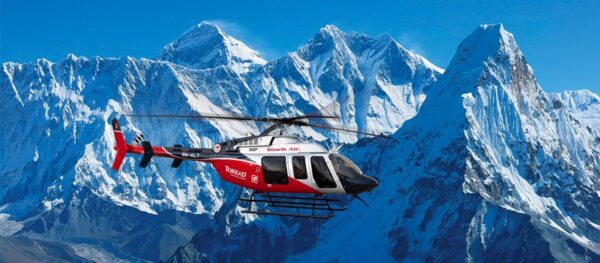
Everest Base Camp Helicopter Trek
Discover the Everest Base Camp Helicopter Trek: A Journey of Adventure and Culture If you’re seeking breathtaking mountain landscapes...
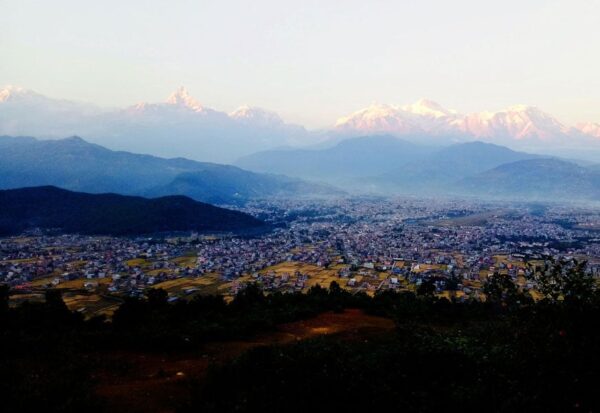
Explore Nepal Tour
Explore Nepal Tour is basically an overview trip of the major destinations in Nepal. From World Heritage sites of...
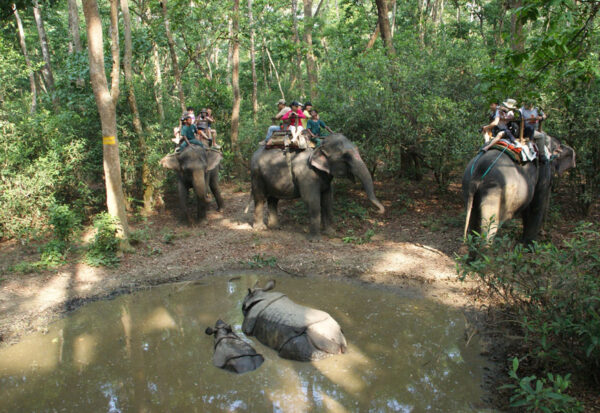
All Nepal Tour
Nepal Tour Guide's All Nepal Tour covers the highlighted places like Bandipur, Palpa, Pokhara, Chitwan and Lumbini, and is...

