Kanchenjunga Trekking Guide: Routes, Permits & History

Overview

Duration: 27 Days

Secondary Activity: Nature and Culture

Max altitude: 5,388 m/17,673 ft

Transportation: Private Vehicle and Domestic Flight

Trip ends in: Kathmandu

Accomodation: Simple Local Cottage and Tent Camp

Primary activity: Trekking and Hiking

Group Size: Min. 2 Pax

Country: Nepal

Trip starts from: Kathmandu

Difficulty: Strenuous

Meals: Nepali Local and Continental

Best Season: Autumn and Spring

Introduction

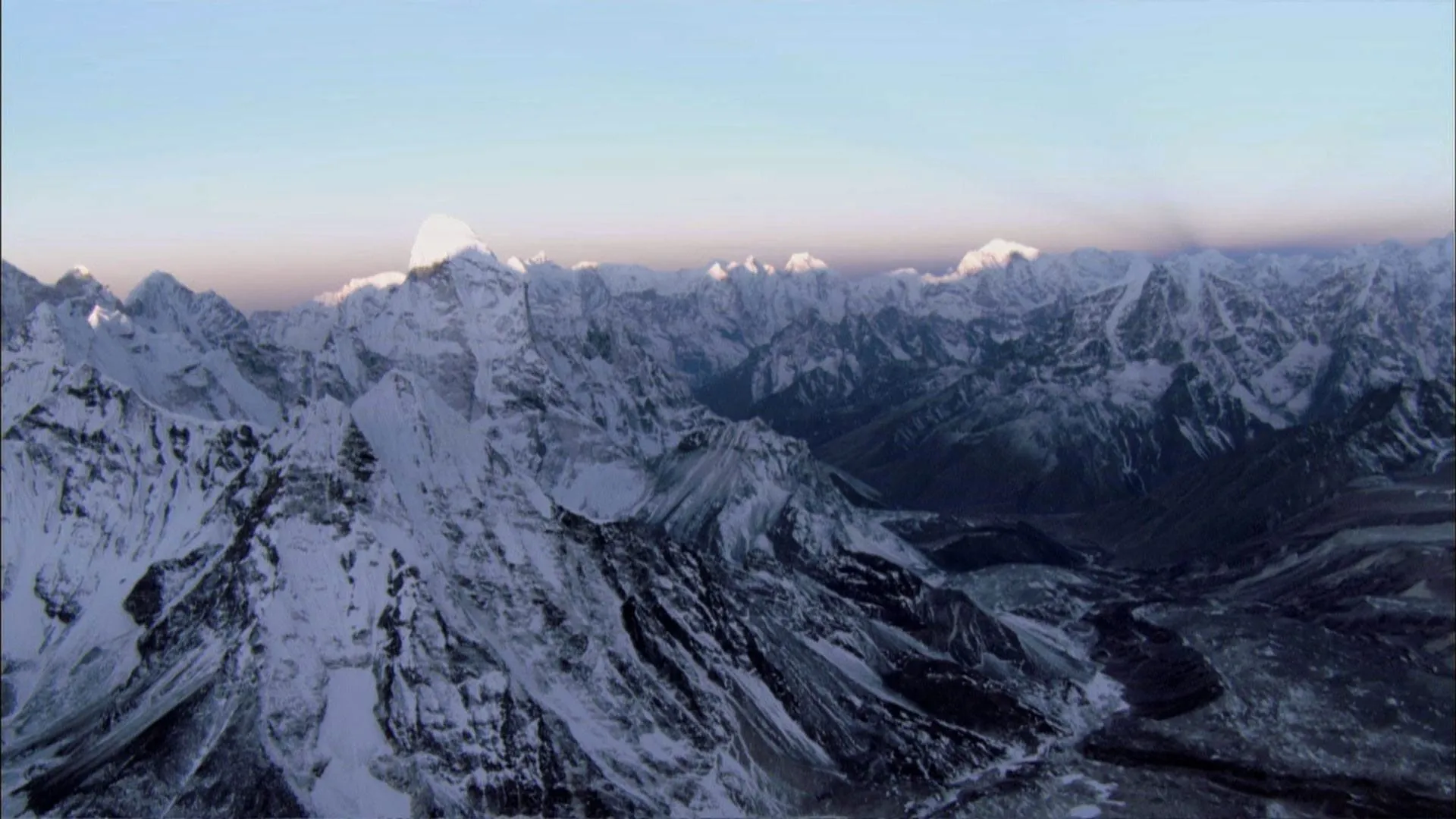
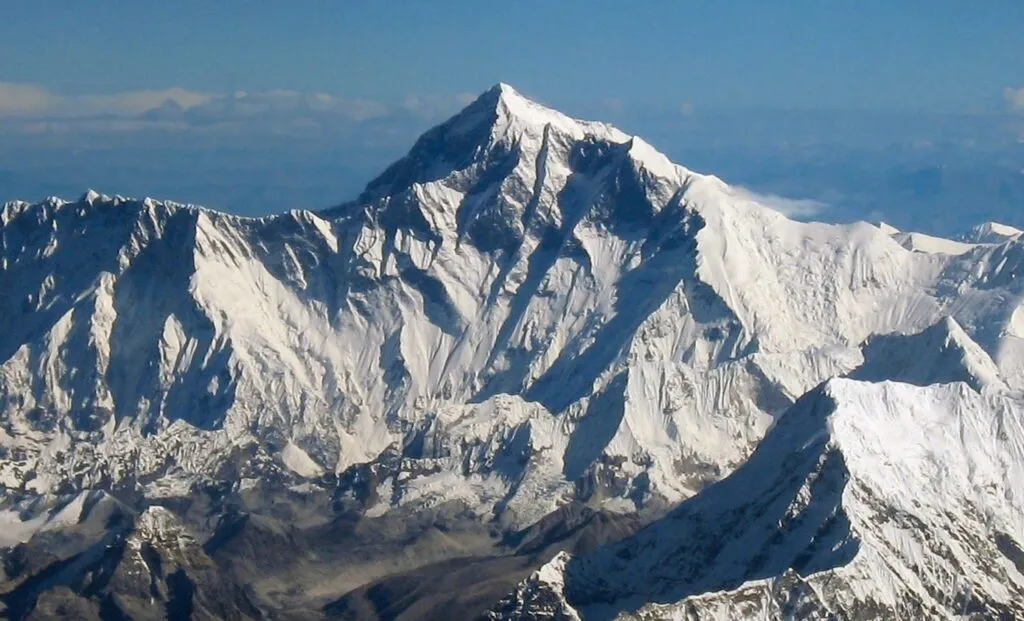
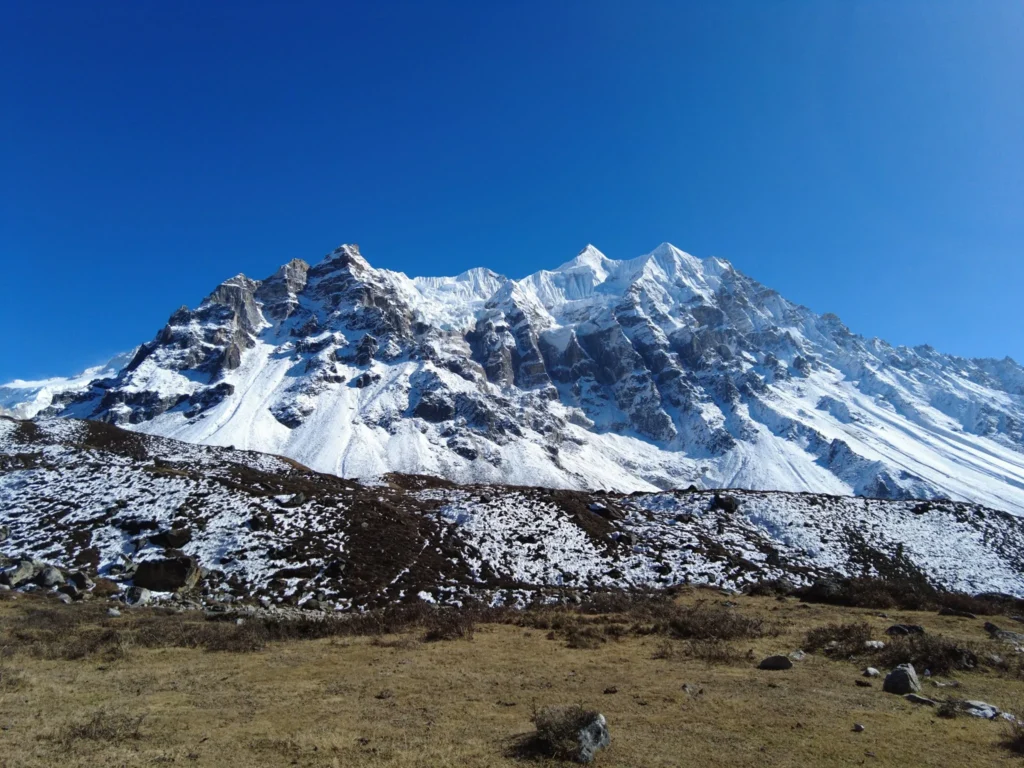
Kanchenjunga, standing at 8,586 m (28,169 ft), is the world’s third-highest peak, straddling Nepal and India’s Sikkim. Meaning “Five Treasures of Snow,” it holds deep cultural and spiritual importance for locals, shaping their beliefs, climate, and ecosystems. The surrounding region, including Sikkim’s Khangchendzonga National Park a UNESCO World Heritage Site hosts rich biodiversity and demands strong conservation efforts.

History 

Over the past 65 million years, powerful global plate-tectonic forces have moved Earth’s crust to form the band of Eurasian mountain ranges including the Himalayas that stretch from the Alps to the mountains of Southeast Asia.

Around 201–145 million years ago, the Tethys Ocean bordered southern Eurasia. As Gondwana broke apart (180 million years ago), the Indian Plate drifted north toward Eurasia. Over millions of years, the Tethys Ocean narrowed, compressing marine sediments and forming faults, with magma intrusions from the mantle. About 40–50 million years ago, India collided with Eurasia, sub ducting beneath the Tethys trench—triggering the uplift that formed the Himalayas.

Kailas RangeNorthern side of Kangrinboqê Peak (Mount Kailas), in the Kailas Range, Trans-Himalayas, Tibet Autonomous Region, China.

Over the past 30 million years, the uplift of the Tibetan Plateau and Trans-Himalayan ranges transformed Asia’s climate and river systems. Heavy rains on the Himalayas’ southern slopes carved deep river valleys, with the Indus, Ganges, and Brahmaputra carrying vast sediments into the Arabian Sea and Bay of Bengal. Around 20 million years ago, Himalayan mountain building accelerated as the Indian Plate thrust under Eurasia, forming massive nappes and folding Gondwana rocks. Continuous uplift, erosion, and sediment deposition created the Indo-Gangetic Plain, with alluvium depths reaching 7,600 m. During the Pleistocene, the Himalayas rose to become the world’s highest peaks, including Everest, with fossil-bearing rocks atop summits. This rise formed a climatic barrier—drying the north, intensifying monsoons to the south, and reshaping river courses through the Siwalik and Lesser Himalayas.

In some valleys, such as the Vale of Kashmir and the Kathmandu Valley of Nepal, lakes formed temporarily and then filled with Pleistocene deposits. After drying up some 200,000 years ago, the Kathmandu Valley rose at least 650 feet (200 meters), an indication of localized uplift within the Lesser Himalayas.

Height of Kanchenjunga

At 8586 meters (28169 feet), Mount Kanchenjunga is 262 meters (860 feet) lower than Mount Everest, which also rises to 8848 meters (29029 feet). These two mighty outstanding peaks are essential components of the Himalayan mountain range of Nepal. The relative heights of these two majestic mountains highlight their significance in high-altitude climbing. As the world’s highest peak, Everest attracts climbers worldwide, while Kanchenjunga is praised for its exceptional beauty and cultural significance.

Major Peaks of the Mt. Kanchenjunga Massif:

Peak Name

Elevation (meters)

Elevation (feet)

Location

Kanchenjunga Main

8,586

28,169

Border of Taplejung District, Nepal, and Sikkim State, India

Yalung Kang (Kanchenjunga West)

8,505

27,904

Taplejung District, Nepal

Kanchenjunga Central

8,482

27,828

Border of Taplejung District, Nepal, and Sikkim State, India

Kanchenjunga South

8,494

27,867

Border of Taplejung District, Nepal, and Sikkim State, India

Kangbachen


7,903

25,928

Taplejung District, Nepal

Kanchenjunga Climbing Route

Ascending this daunting mountain comes with considerable challenges, and over the years, various routes have been established, mainly from the Nepalese side. Each route offers unique difficulties and experiences, drawing climbers eager to test their skills and resilience. As climbers navigate these routes, they are rewarded with breathtaking views and a profound sense of achievement.

Southeast Ridge (Yalung Face): This route is the most frequently used and is regarded as the standard path for ascending Kanchenjunga. It was the same route during the first successful ascent 1955 by climbers Joe Brown and George Band.

The journey begins at the Yalung Glacier, approaching the Mountain from the southwest. Climbers traverse the Yalung Face, an expansive area covered in snow and ice, to reach the Great Shelf, a notable sloping plateau at about 6,500 meters. From there, the ascent continues, requiring climbers to navigate various icefalls and seracs before finally reaching the summit ridge.

Southwest Ridge: This route is less commonly used due to its inherent hazards and technical difficulties. Climbers approach the Mountain’s southwest slopes from the Yalung Glacier, encountering steep ice and rough terrain that demand precise navigation and advanced climbing skills to navigate avalanches and prevent serious falls safely.

Northeast Spur: This route was first successfully ascended by an Indian Army team in 1977. From the northeastern side, climbers face a significant spur combining rock, ice, and snow climbing. Known for its continuous technical challenges, this route also exposes climbers to the harsh conditions often found at high altitudes. Navigating this path requires physical strength and mental resilience, as climbers must adapt to rapidly changing weather and rugged terrain. Each ascent brings a sense of adventure and achievement as trekkers conquer the demanding elements and push their limits. The experience of climbing this route offers a unique perspective on the Mountain’s beauty and formidable challenges, making it a rewarding journey for those who dare to take it on.

North Face: This route is among the least frequently attempted, primarily because of its remote access and challenging climbing conditions. Climbers must navigate the intricate terrain of the Kangchenjunga Glacier, tackling steep ice faces and crossing areas filled with crevasses.

Climbing Challenges

Kanchenjunga is well-known for its technical challenges, erratic weather, and significant risk of avalanches. Even with improvements in climbing gear and techniques, the Mountain has a daunting fatality rate, with over 20% of climbers losing their lives since the 1990s.

These persistent challenges contribute to Kanchenjunga’s reputation as one of the most intimidating peaks for mountaineers around the globe. The combination of its rugged terrain and harsh conditions demands exceptional skill, physical endurance, and a deep respect for the Mountain’s power. As climbers prepare to tackle this formidable giant, they must be aware of the risks involved and prioritize safety while embracing the adventure of such a majestic and challenging ascent.

Trekking Routes to Kanchenjunga

Mount Kanchenjunga offers a variety of trekking routes in both Nepal and India, including the Kanchenjunga Base Camp Trek in Nepal, the Goecha La Trek in Sikkim, and the Singalila Ridge Trek in West Bengal. Each trek presents unique challenges and breathtaking views, showcasing the region’s beauty from different perspectives. These trails allow trekkers to experience the area’s majestic beauty and immerse themselves in the Mountain’s rich cultural heritage. Adventurers are rewarded with breathtaking landscapes and the chance to connect with local communities.

Kanchenjunga Base Camp Trek (Nepal)

The Kanchenjunga Circuit Trek is renowned for its remote and challenging nature and typically takes 18 to 22 days. Starting in Taplejung, eastern Nepal, the trek takes adventurers through diverse landscapes, including lush subtropical forests, alpine meadows, and glacial terrains.

Trekkers can visit the North and South Base Camps of Kanchenjunga, which offer close-up views of the majestic Mountain and its surrounding peaks. This challenging trek requires special permits and is perfect for experienced adventurers seeking solitude and a meaningful connection with Nepal’s pristine natural beauty.

Reaching Kanchenjunga Circuit Trek

The trek generally commences in Taplejung, situated in eastern Nepal. Below are the directions to reach this starting point:

By Air:

Kathmandu to Bhadrapur Airport: Take a flight from Tribhuvan International Airport in Kathmandu to Bhadrapur Airport, located in Jhapa District.

Bhadrapur to Taplejung: After arriving in Bhadrapur, travel by road for about 8 to 9 hours to reach Taplejung. This journey offers scenic countryside views, making it a memorable part of the trek preparation.

By Road:

Traveling overland from Kathmandu to Taplejung involves a long bus or jeep journey that may last 24 hours or more, influenced by road conditions. This route offers travelers the chance to enjoy Nepal’s varied landscapes, but it requires patience and resilience due to the lengthy duration of the trip.

Accommodation Options

The Kanchenjunga region provides essential lodging options, with teahouses run by local families that offer simple accommodations and meals for trekkers.

Camping: Organized camping with support staff becomes essential in more secluded regions where teahouses are inaccessible for a comfortable experience.

Permit Requirements and Costs

Trekking in the Kanchenjunga region requires several permits:

Restricted Area Permit (RAP):

Cost: USD 20 per person per week for the first four weeks, increasing to USD 25 per week thereafter.

Details: This permit is required for trekking in restricted areas and must be acquired through a registered agency. Securing this permit is crucial for ensuring compliance with local regulations and promoting sustainable tourism in these sensitive regions.

Kanchenjunga Conservation Area Project (KCAP) Entry Permit:

Cost: NPR 2,000 per person (around USD 17).

Details: This fee is necessary for access to the conservation area and can be obtained either in Kathmandu or at the beginning of the trail. Acquiring this entry permit is essential for supporting conservation efforts and protecting the region’s natural resources.

Trekker’s Information Management System (TIMS) Card:

Cost: USD 17 per person

Details: This fee is intended to improve the safety and security of trekkers and can be obtained through trekking agencies. It is essential to offer peace of mind during the trek and ensure necessary support is accessible in emergencies.

It is important to note that regulations mandate trekkers to be accompanied by a licensed guide, and solo trekking is prohibited in this area. Choosing a reputable trekking agency is recommended. Be employed to facilitate permit arrangements, ensure adherence to the latest regulations, and enhance safety by enriching the trekking experience through local expertise and knowledge.

Goecha La Trek (Sikkim, India)

The Goecha La Trek is well-known for its spectacular sunrise views of Kanchenjunga and is regarded as a more accessible trekking option in Nepal, usually taking 10 to 11 days. Starting in Yuksom, the route winds through vibrant rhododendron forests, alpine meadows, and glacial rivers, ending at Goecha La Pass, which stands at approximately 4,940 meters (16,207 feet). Trekkers can take in stunning views of Kanchenjunga and other majestic peaks, making it suitable for various trekking enthusiasts.

Singalila Ridge Trek (West Bengal, India)

The Singalila Ridge Trek provides sweeping views of some of the highest peaks in the world, including Kanchenjunga, Everest, and Makalu. This six- to seven-day trek begins in West Bengals Darjeeling. At Sandakphu, the highest point in West Bengal, the route reaches a maximum elevation of about 3636 meters (11929 feet). It follows the Singalila Ridge, which forms the Indian-Nepal border. Both new and experienced hikers prefer this trek because of its reasonably moderate difficulty level and the availability of teahouse accommodations.

Each trek provides a distinct view of the majestic Kanchenjunga and its surrounding scenery; whether looking for the challenge of a remote circuit, the beauty of sunrise illuminating towering peaks, or the experience of traversing varied terrains with breathtaking mountain vistas, adventurers can find a trek that suits their goals and skill levels.

FAQs

1. Where is Mount Kanchenjunga located?

Mount Kanchenjunga is located in the eastern Himalayas, straddling the border between Nepal’s Taplejung District and the Indian state of Sikkim.

2. What is the height of Mount Kanchenjunga?

Mount Kanchenjunga stands at 8,586 meters (28,169 feet), making it the third highest mountain in the world.

3. What does the name ‘Kanchenjunga’ mean?

The name “Kanchenjunga” means “Five Treasures of Snow,” symbolizing its five prominent peaks, each holding cultural and spiritual significance.

4. Which is the most popular climbing route for Kanchenjunga?

The Southeast Ridge, also known as the Yalung Face, is the most popular and standard climbing route for Kanchenjunga. It was used during the first successful ascent in 1955.

What permits are required for trekking in the Kanchenjunga region?
Trekkers need three permits:

  • Restricted Area Permit (RAP)
  • Kanchenjunga Conservation Area Project (KCAP) Entry Permit
  • Trekkers’ Information Management System (TIMS) Card
    A licensed guide is mandatory, and solo trekking is prohibited.

5. When is the best time to trek to Kanchenjunga?

The best seasons are Autumn (September to November) and Spring (March to May), when weather conditions are most favorable.

How difficult is the Kanchenjunga trek?

The trek is considered strenuous due to its remote location, high altitude, and long duration, making it suitable for experienced trekkers.

6. How do I reach the starting point of the Kanchenjunga Circuit Trek?

The trek usually starts from Taplejung in eastern Nepal. You can either:

  • Fly from Kathmandu to Bhadrapur, then drive 8–9 hours to Taplejung.
  • Travel entirely by road, which can take over 24 hours.

7. What accommodation is available during the Kanchenjunga trek?

Accommodation includes basic teahouses run by local families along the route. In more remote areas, organized camping with support staff is necessary.

What are the major peaks in the Kanchenjunga massif?

  • Kanchenjunga Main (8,586 m)
  • Yalung Kang (8,505 m)
  • Kanchenjunga Central (8,482 m)
  • Kanchenjunga South (8,494 m)
  • Kangbachen (7,903 m)

Top 10 best places for trekking in Nepal

Trekking in Nepal is one of the few things that every adventure enthusiast wishes for. Nestled amidst the mighty Himalayas, Trekking in Nepal is a heaven for trekkers and nature lovers as it is home to some of the best hiking and trekking destinations in the world. Renowned as the ultimate destination for trekkers, this enchanting country offers a unique and unparalleled trekking experience, from climbing the world’s highest peak to exploring off-the-beaten trails, Nepal’s diverse landscapes provide a mesmerizing backdrop for unforgettable journeys.

Choosing a trekking destination in Nepal can be confusing. We cannot mention one specific destination as the best trek in Nepal without knowing one’s preference. The best trek for an individual depends upon various factors like trek duration, altitude, trek nature, cost, and many more.

In this article, we will explore the 10 best treks in Nepal, giving you a Complete guide to choosing your next trekking destination in Nepal. 

Why is Trekking Important ? 

Trekking in Nepal
Trekking in Nepal

Trekking is Important and goes beyond a recreational pastime it positively impacts your physical, mental, and emotional health, creating a complete and balanced encounter. Hiking offers a strong avenue for enhancing different areas of life, including physical health, cognitive sharpness, and forming close relationships with nature.

Why Should I Trek in Nepal?

Why trekking is important

Trekking in Nepal is a lifetime experience that combines breathtaking natural beauty, rich cultural heritage, and the thrill of adventure. Trekking is one of the most popular things to do in Nepal. Nepal’s natural beauty, cultural treasures, and rich biodiversity make it a true paradise for trekkers. Nepal is home to some of the most popular trekking places in the world.
The glory of Himalayan ranges adorn the country, boasting eight of the world’s fourteen highest peaks, including the mighty Mount Everest. The panoramic views of these snow-capped peaks, coupled with pristine lakes, cascading waterfalls, and terraced fields, create an awe-inspiring setting that captivates the hearts of trekkers from around the world.

Top 10 best places for Trekking in Nepal

1. Everest Base Camp Trek (Trekking in Nepal)

Outline

  • Difficulty Level – Moderate 

  • Trek Start in Kathmandu and End in Kathmandu

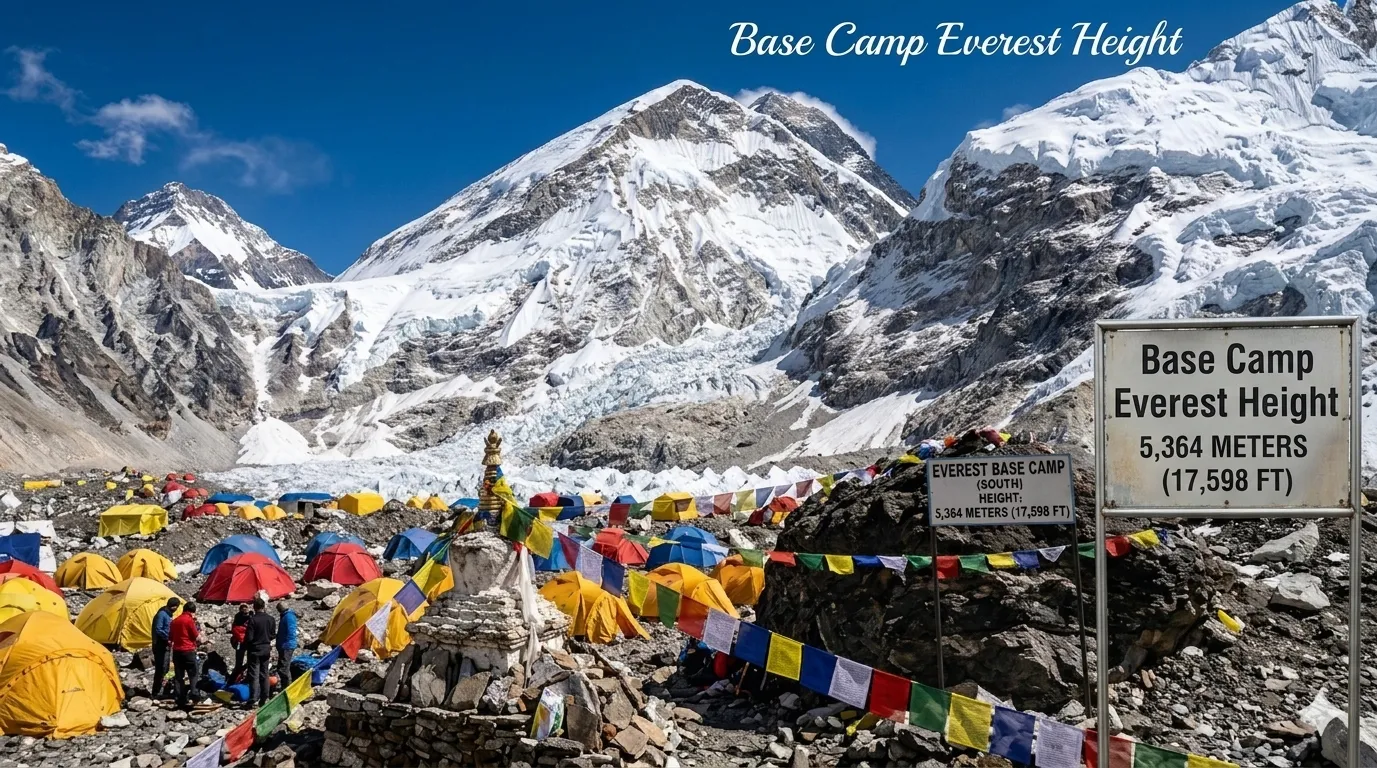
  • Altitude – 5,364 meters (17,598 feet)

  • Best Season – Sept, Oct, Nov, March, April, May

  • Trek duration – 12 to 14 days 

  • Trek Permit – TIMS, Sagarmatha National Park Permit, Local Permit

Everest Base Camp
Everest Base Camp

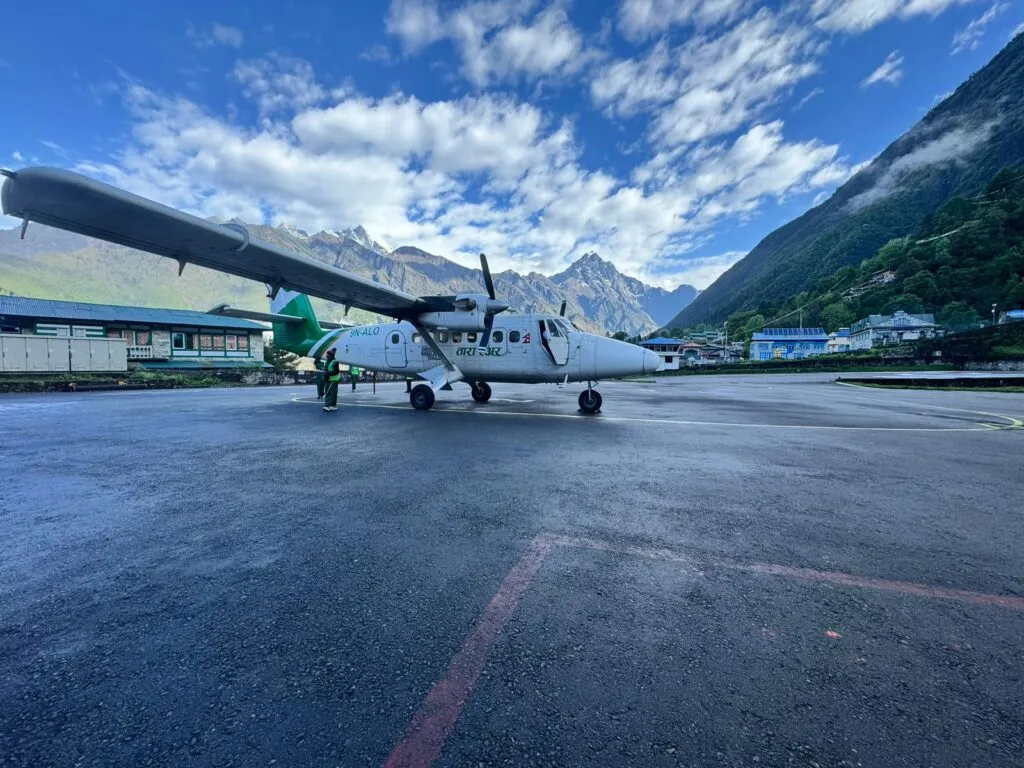
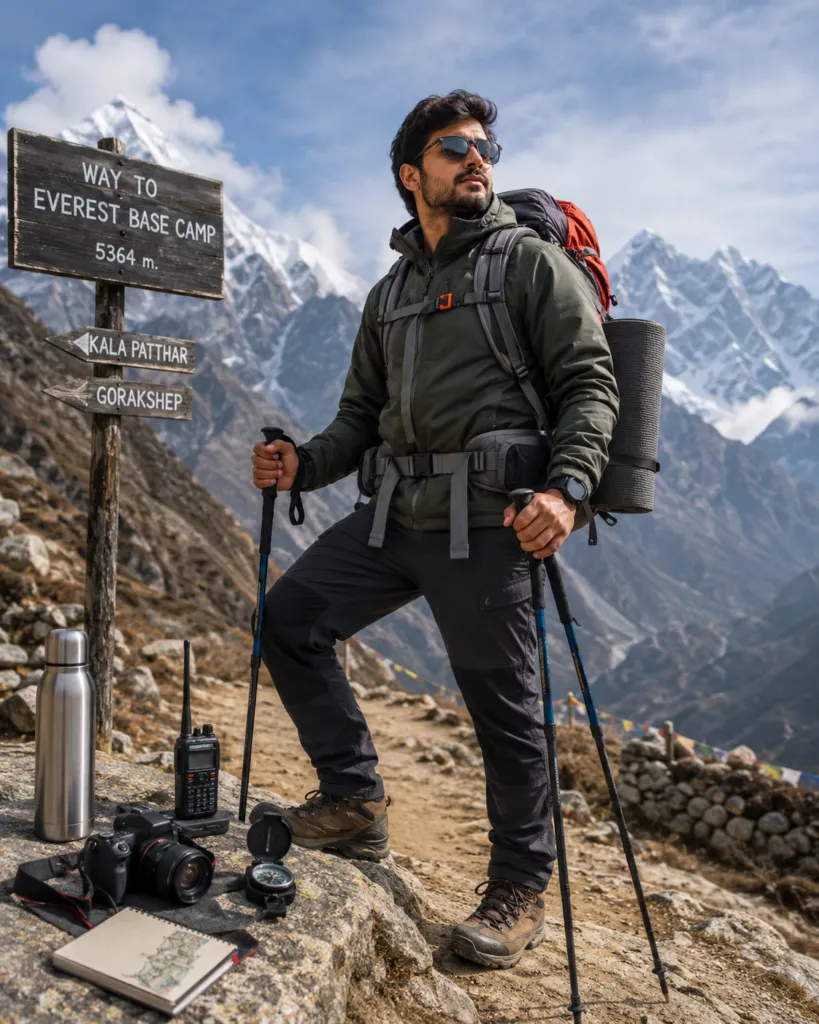
One of the most popular Trek in the word is Everest Base Camp Trek. People came here to get some experience and enjoy their lifetime. The Everest Base Camp Trek is a trekking route to the base camp of Mount Everest, the highest mountain in the world, standing 8,848 meters tall. The Everest Base Camp Trek starts at Lukla, a small town accessible by plane from Kathmandu. Within 12 to 14 days, you will pass through picturesque Sherpa villages, fabulous forests, and breathtaking high-altitude valleys to a fascinating Everest Base Camp at 5,364 meters (17,598 feet). However, this trek is not about the great view only; it’s also a peek into the rich culture of the Sherpa people, commanding great respect for nature.

2. Annapurna Circuit Trek (Trekking in Nepal)

Outline

  • Difficulty Level – Strenuous

  • Trek Start in Kathmandu and End in Kathmandu

  • Altitude – 5416m

  • Best Season – October-November or April-May

  • Trek duration – 10 to 14 days 

  • Trek Permit – TIMS, ACAP

  • Accomodation – Hotel, Tea House

Annapurna Circuit Trek

The next trek in Nepal and this is also one of the popular treks in the word is Annapurna Circuit Trek. It circles the Annapurna Massif and offers breathtaking views of peaks like Annapurna I, Dhaulagiri, Machhapuchhre, and Manaslu.

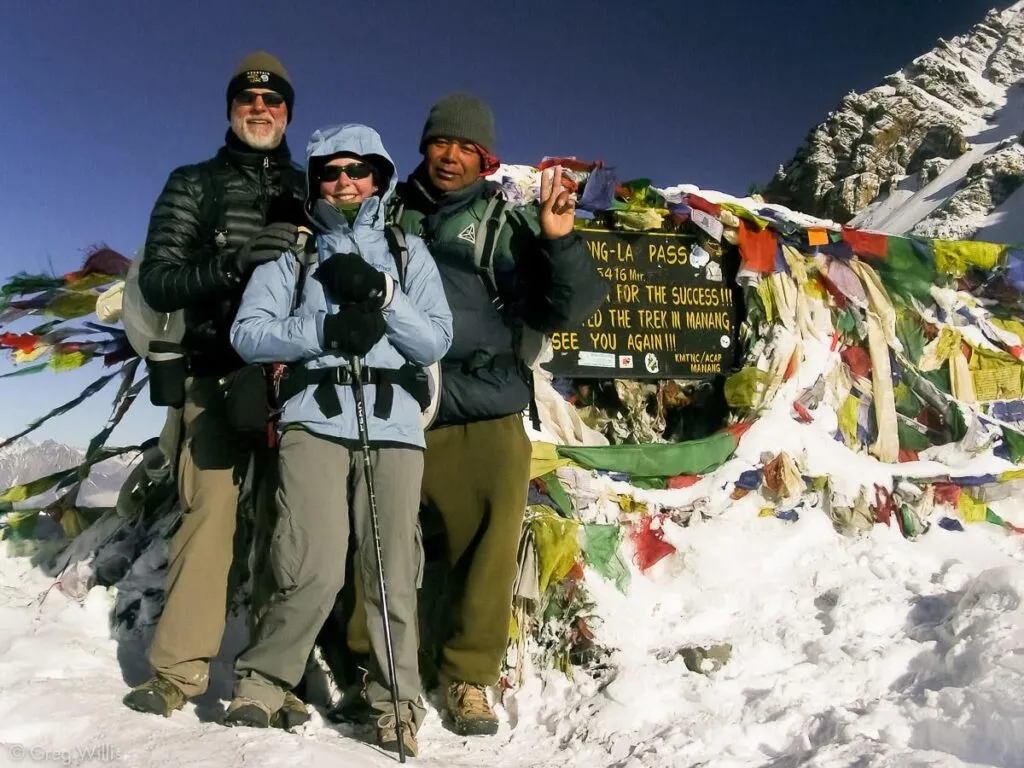
The trek typically takes 12–18 days, covering 160–230 km depending on the route, and crosses the Thorong La Pass (5,416m) one of the highest trekking passes in the world. As the landscape unfolds, you will experience everything from rolling hills and rivers to thick forests and traditional settlements.

3. Langtang Valley Trek (Trekking in Nepal)

Outline

  • Difficulty Level – Moderate

  • Trek Start in Kathmandu and End in Kathmandu

  • Altitude – 3870m

  • Best Season – September, October, November and December and March, April and May.

  • Trek duration – 5 to 8 days 

  • Trek Permit – TIMS, Langtang National Park permit

  • Accomodation – Hotel, Tea House

Langtang Valley Trek

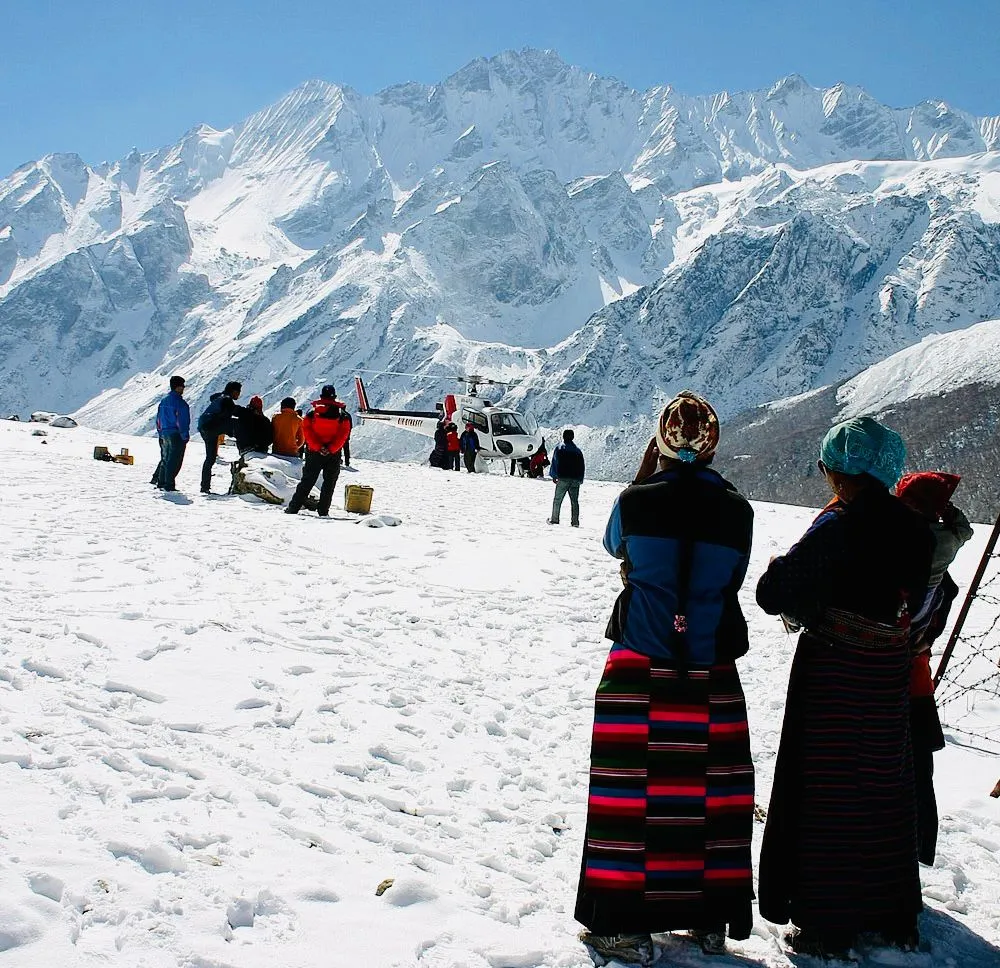
Langtang trek is one of the shortest treks that offers a magnificent natural beauty. With a stunning view of the Langtang Himalayas in the background, the trail runs through rhododendron forests, high alpine meadows, and bamboo forests. Kyanjin Gompa, situated at a height of 3,830 m, is the landmark village of this region. Its locals consist of Tibetan and Lama ethnic groups, whose ancestors migrated from Tibet many years 

4. Gokyo Lake Trek (Trekking in Nepal)

Outline

  • Difficulty Level – Strenuous

  • Trek Start in Kathmandu and End in Kathmandu

  • Altitude – 5357m

  • Best Season – May to May, Sep to Nov, Dec to Feb, Jun to Aug

  • Trek duration – 13 days 

  • Accomodation – Hotel, Tea House

Gokyo Lake Trek
Gokyo Lake Trek

This 13 days of Gokyo Lake with Renjo La Pass Trek” is a breakout to the popular hiking route to EBC. This is the perfect option for you if you want extra exhilarating and challenging hikes. Gokyo with Renjo La Pass Trekking shall lead you to heavenly viewing Gokyo Lake via Renjo La pass – 5360 meters, where you’ll enjoy a spectacular panorama of peaks like Mt. Everest, Mt. Lhotse, Mt. Ama Dablam, Mt. Nuptse, Mt. Thamserku, and several others. This package is a combination of breathtaking Himalayan panoramas, trails leading to rhododendron woodlands, streams, and hillsides, as well as the warm hospitality, traditions, customs, and lifestyle of the local Sherpas.

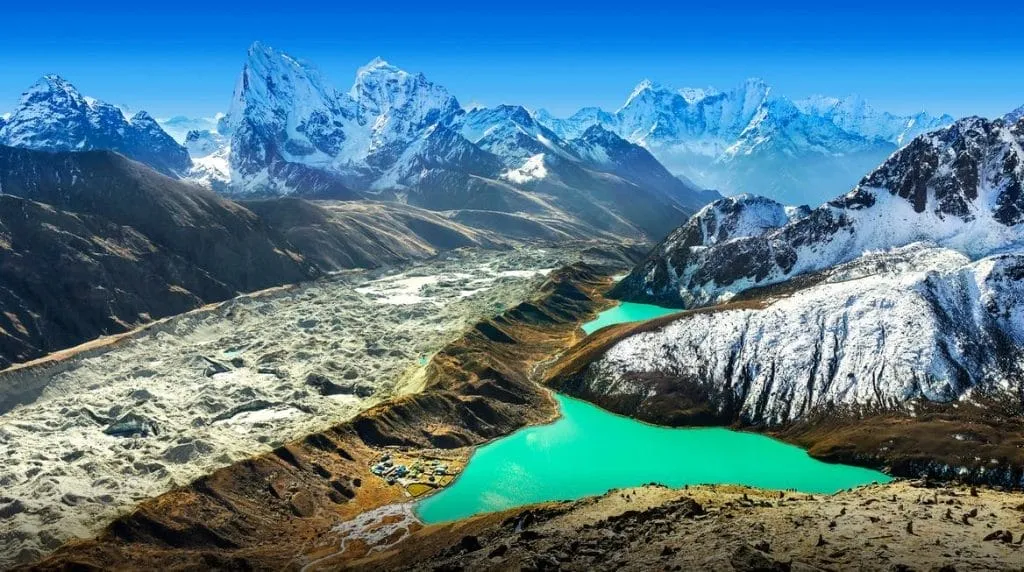
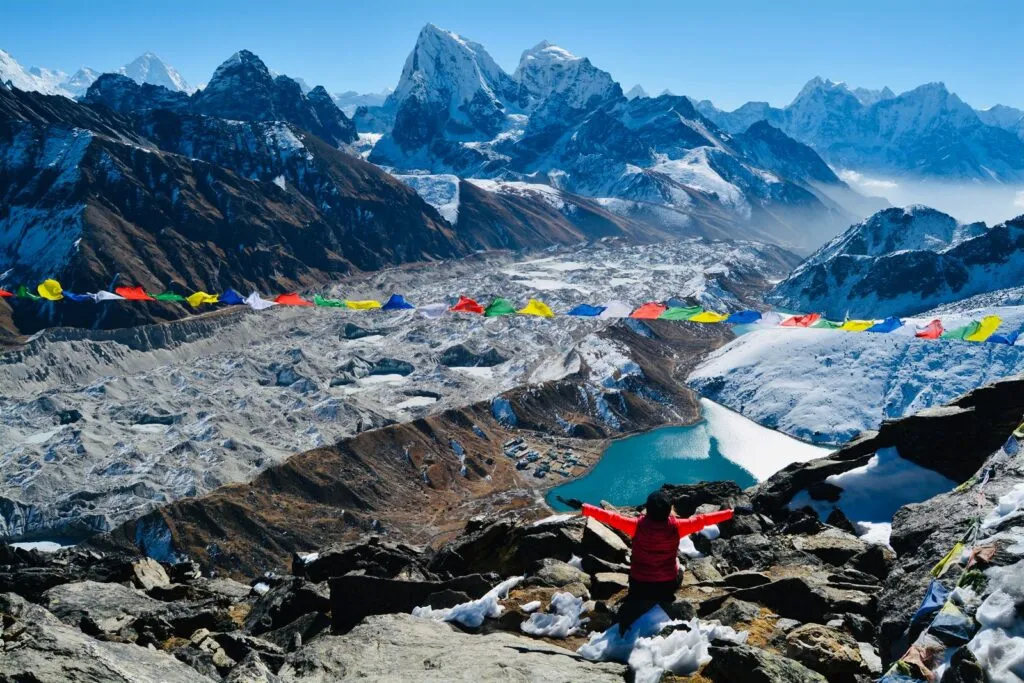
 This is a lifetime experience that will take you deep across one of the steepest passes in the whole globe, the bustling market town of Namche Bazaar, hike to Gokyo Ri Viewpoint to witness the incredible views of Gokyo Lake along with ‘Ngozumba glacier’  longest glacier in Nepal, The Renjo La Pass connects Gokyo with Nagpala, giving a beautiful stroll across steep peaks. 

For adventurers throughout the world, trekking ranks highly on their checklists of activities to do. People also ascend Mount Everest to demonstrate their courage in the midst of challenges. Relive and recall the triumphant ascent of notable trekkers with Hiking Bees’ 13 Days Gokyo Lake with Renjo-La Pass Trek.

5. Poon Hill Trek (Trekking in Nepal)

Outline

  • Difficulty Level – Moderate

  • Trek Start in Kathmandu and End in Kathmandu

  • Altitude – 3210mm

  • Best Season – October to November

  • Trek duration – 5 days 

  • Accomodation – Hotel, Tea House

Poon Hill Trek
Poon Hill Trek

Poon Hill Trek is one of the most popular short treks in Nepal, ideal for beginners or travelers on a limited schedule. This low-altitude trek offers stunning Himalayan views without the physical strain of high-altitude trekking.

The trail passes through vibrant rhododendron forests, charming Gurung villages like Ghandruk and Ulleri, and beautiful terraced fields. The highlight is the sunrise view from Poon Hill (3,210m), where you’ll witness panoramic vistas of Annapurna, Machhapuchhre, and Dhaulagiri.

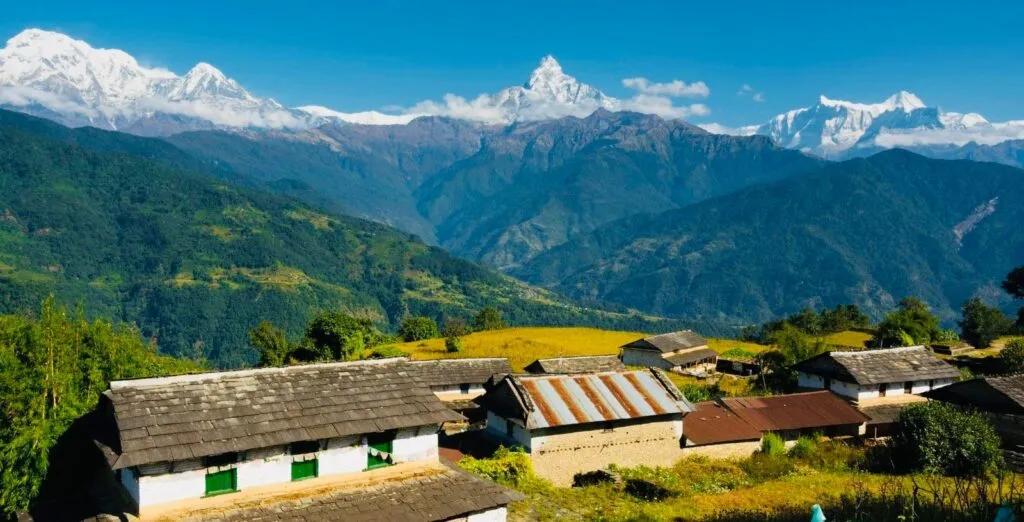
Easily accessible from Pokhara, this trek can be completed in as little as 3 days, but most itineraries span 5–6 days to allow time for acclimatization and cultural immersion. With cozy teahouses, moderate trails, and unmatched scenic beauty, Ghorepani Poon Hill Trek is a perfect short escape into the Himalayas.

6. Mardi Himal Trek (Trekking in Nepal)

Outline 

  • Difficulty Level – Moderate

  • Trek Start in Kathmandu and End in Kathmandu

  • Altitude – 4200mm

  • Best Season – March-May | Sept-Dec

  • Trek duration – 5 to 8 days 

  • Accomodation – Tea House

Mardi Himal Trek
Mardi Himal Trek

Mardi Himal Trek is a less strenuous trek. It is one of the shorter Treks in Nepal. It is suitable for those who wish to enjoy nature up close at a comfortable pace. Depending on your choice, it offers a multi-day or multi-week hiking experience and is perfect for anyone seeking a more moderate hike.

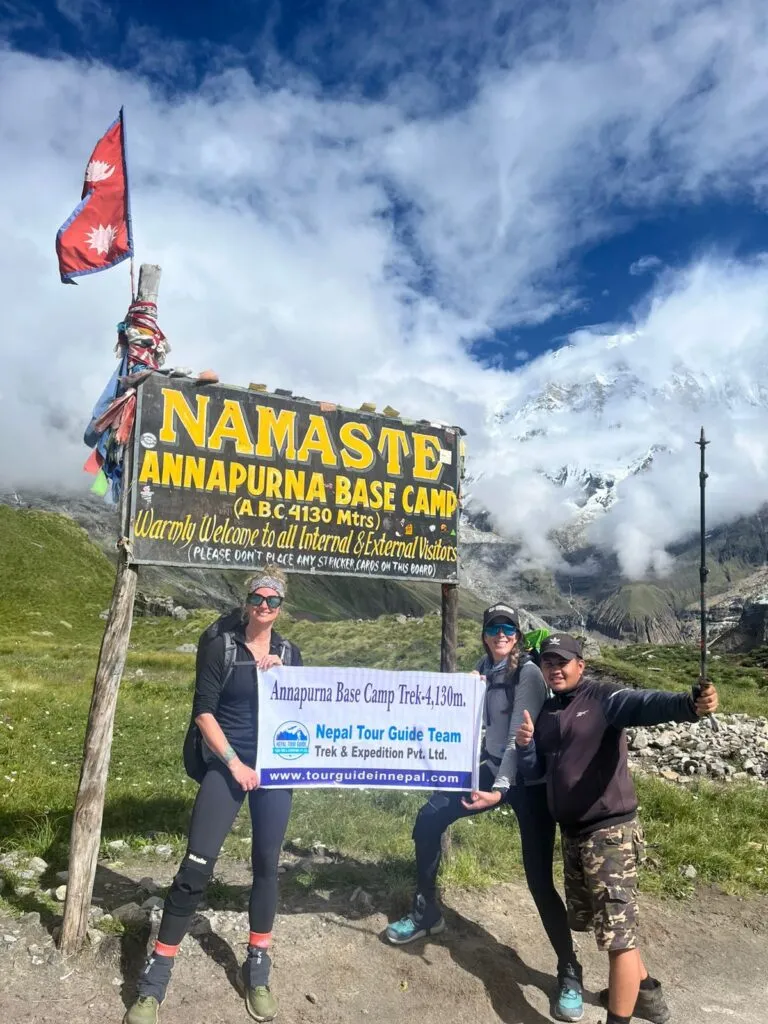
This package is another good choice for first-time trekkers. The trail packs an adventure through hillsides, cliffs, raging rivers, and a forest full of rhododendrons. You will visit the Mardi Himal Base Camp (4,500 meters) on this trek.

Note: The Mardi Himal trek route was recently opened for commercial trekking in 2012, but it has become very famous among trekkers within a short period. So, it will be packed during peak seasons.

7. Annapurna Based Camp Trek (Trekking in Nepal)

Outline 

  • Difficulty Level – Moderate

  • Trek Start in Kathmandu and End in Kathmandu

  • Altitude – 4210mm

  • Best Season – March, May, September, December

  • Trek duration – 7 to 14 days 

  • Accomodation – Tea House

Annapurna Circuit Trek

One of the famous treks of Nepal is the Annapurna Base Camp Trek. It starts and ends in Pokhara, the beloved tourist destination on the lakeside of Phewa Taal.
This trek takes you through the Himalayan landscape to majestic mountains like Dhaulagiri, Annapurna, Machhepuchhre, and Hiunchuli.

You will come across many Gurung villages like Ulleri, Ghorepani, and Chhomrong, where you can experience the Gurung lifestyle and traditions. The trail also leads to thrilling suspension bridges, awe-inspiring glaciers, pristine rivers, and mountain pastures.

8. Upper Mustang Trek (Trekking in Nepal)

Outline 

  • Difficulty Level – Moderate

  • Trek Start in Pokhara and End in Pokhara

  • Altitude – 3800mm

  • Best Season – March, May, September, December

  • Trek duration – 14 days 

  • Accomodation – Tea House

Mustang
Mustang

Nepal is a secular federal state as of 28th May 2008. The name of this country used to be the Nepal Kingdom before as it was ruled by the Shah dynasty king. Interestingly, Upper Mustang still practices the monarchial system at least in its area. Therefore, the place is also famously known as the Forbidden Kingdom of Nepal.

Trekkers who visit the region can experience the contrasting diversity of landscape, nature, and culture. Relish the chance to experience the Himalayan desert, caves, and the last village of Nepal bordering China. Upper Mustang Trek can be a splendid walking trip so far in your life as it endows attractions ranging from cultural to natural aspects with the mountain vistas as some added incentives.

The Upper Mustang region of Nepal is a mythically and naturally significant area. It is under a restricted trekking zone. Earlier, foreigners were not allowed to enter the place. Nowadays, people can visit the place only after getting a special permit. Trekkers have to fulfill certain requirements.

9. Kanchenjunga Circuit Trek (Trekking in Nepal)

Outline

  • Difficulty Level – Difficult

  • Trek Start in Taplejung and End in Khamdine

  • Altitude – 3800mm

  • Best Season – March, May, September, December

  • Trek duration – 18 days 

  • Accomodation – Basic Tea House

Kanchenjunga
Kanchenjunga

Trekking in the Kanchenjunga region takes you to Nepal’s remote eastern frontier, near the Sikkim border. Once considered the world’s highest peak until the mid-1800s, Kanchenjunga (8,586m) is Nepal’s second-highest mountain and remains a sacred gem among locals.

Previously closed to trekkers until the 1980s, the area is now protected under the Kanchenjunga Conservation Area, preserving its pristine nature, rare wildlife, and alpine beauty. Special permits are required to enter this restricted region, making it less crowded and more authentic.

This circuit trek unveils majestic views of Kanchenjunga and its four 8,000m+ peaks, including Yalung Kang (8,505m). Over 20 peaks above 7,000m and several major glaciers like Yalung, Kanchenjunga, Zumu, and Talung decorate the trail, feeding into the powerful Tamor River.

Now part of the Great Himalayan Trail, Kanchenjunga trekking offers raw wilderness, cultural richness of Rai and Limbu communities, and emerging teahouse routes. It’s the perfect trek for those seeking a true Himalayan expedition—remote, rugged, and unforgettable.

Outline

  • Difficulty Level – Strenuous

  • Trek Start in Taplejung and End in Khamdine

  • Altitude – 5700mm

  • Best Season – March,May, September, November

  • Trek duration – 18 to 20 days 

  • Accomodation – Basic Tea House

  • Trek Permit – Trekker’s Information Management System (TIMS)

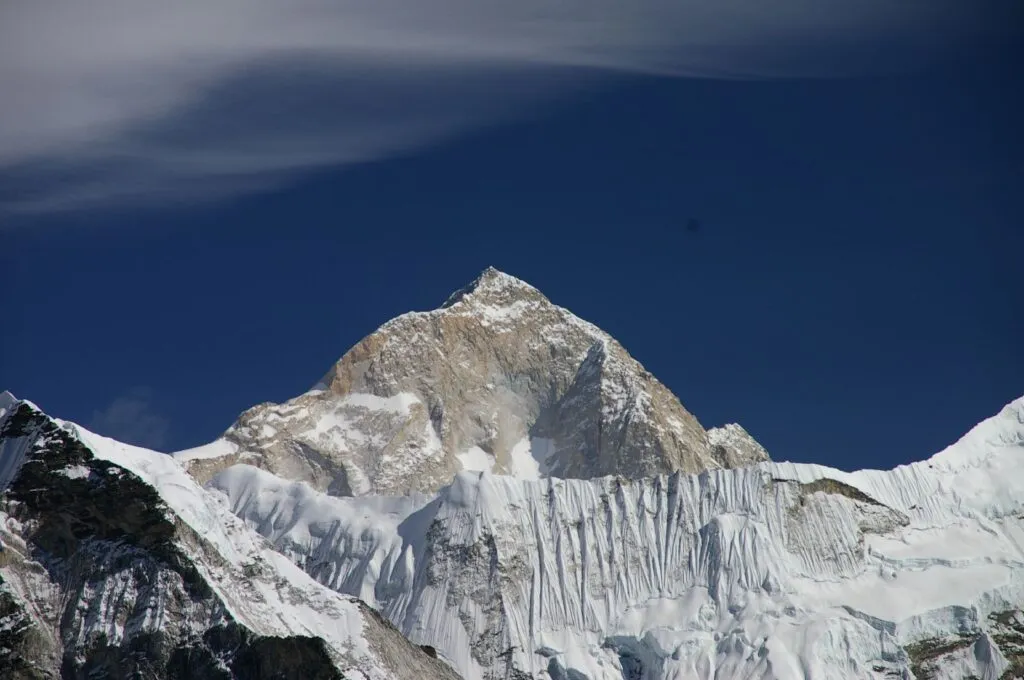
The Makalu Base Camp (MBC) Trek is a secluded Trekking in Nepal adventure, meaning only a few people have trod its path. The trail winding through the Mahalangur Himalayas of Eastern Nepal will also take you over high passes like Shipton La (4,216 m) and Keke La (4,170 m). As for cultural experience, you will familiarize yourself with the rich cultural heritage of the Rai and Sherpa communities on this trek. 

The Barun River Valley inside Makalu Barun National Park is another attraction of the MBC trek. Rare species, such as the snow leopard, inhabit the diverse landscape of this valley.

Frequently Asked Question (F&Qs Schema)

1. When is the Best Time to Trekking in Nepal?

The best seasons for Trekking in Nepal are Autumn (Sep–Nov) and Spring (Mar–May), offering clear skies and ideal temperatures.

2. Do I Need a Permit for Trekking in Nepal?

Yes, permits vary by location. Common ones are TIMS Card, National Park Permit, and for restricted areas like Upper Mustang, a special permit.

3. Can I Trekking in Nepal as alone?

As of April 2023, all foreign trekkers must hire a licensed guide or agency, even for solo treks.
User Intent: Safety, freedom, and budget concern.

4. What’s the Best Trekking in Nepal Route for Beginners?

Short and scenic treks like Poon Hill, Mardi Himal, or Langtang Valley are best for beginners.

5. How Much Does It Cost to Trekking in Nepal?

A basic trek costs $30–$50/day, including permits, food, and lodging. Guided tours can range $800–$2,000 depending on the region.

6. How Hard Is It to Trekking in Nepal?

Treks range from easy (Poon Hill) to very strenuous (Kanchenjunga or Makalu Base Camp). Moderate fitness is enough for most treks.

7. What Should I Pack for a Trekking in Nepal?

 Essentials: trekking boots, warm layers, sleeping bag, water filter, trekking poles, and personal first-aid.

8. What Are the Risks of Trekking in Nepal?

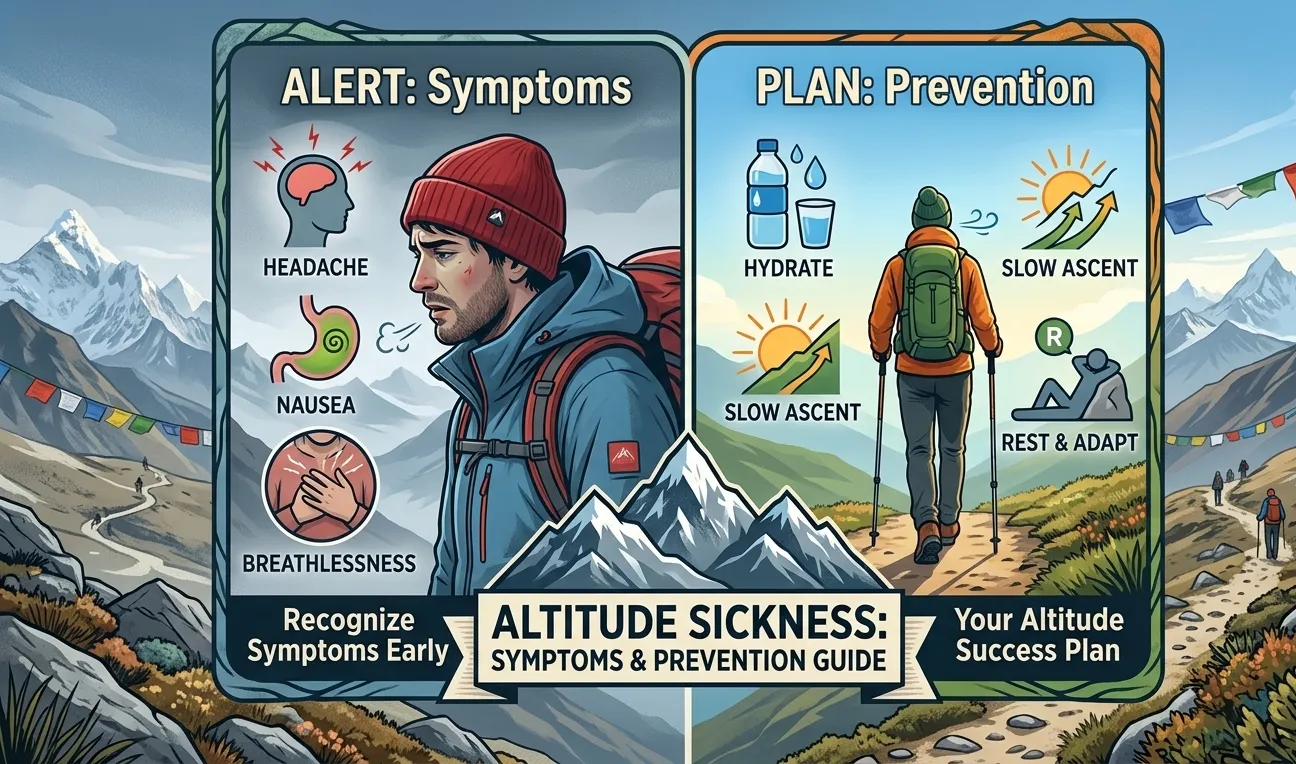
The main risk is Altitude Sickness (AMS). Avoid by ascending slowly, staying hydrated, and acclimatizing.

9. What is the Food and Accommodation Like While Trekking in Nepal?

You willstay in teahouses, offering Dal Bhat, noodles, soup, and western dishes. Hot showers, Wi-Fi, and power banks may cost extra.

10. What Are the Most Popular Trekking in Nepal Routes?

Top treks include:

  • Everest Base Camp

  • Annapurna Circuit/Base Camp

  • Langtang Valley

  • Gokyo Lake

  • Mardi Himal

  • Upper Mustang

  • Kanchenjunga & Makalu Base Camp

Cable Car in Nepal: Ride High into Scenic Himalayan Magic

Cable car in Nepal offers far more than just a means of travel. To begin with, each ride unveils stunning panoramic views, sacred spiritual sites, and the rich vibrancy of Himalayan culture. Moreover, these rides are known for being safe, reliable, and incredibly scenic, making them a favorite among both locals and tourists.

The mountains, rivers, and villages—which once felt vast—now appear small and serene, offering a humbling perspective. For a brief moment, you’re not just a traveler; you become like a bird, soaring peacefully over one of the most breathtaking landscapes on Earth.

Cable car in Nepal
Cable car in Nepal

Cable car in Nepal is more than just a means of transport it’s a powerful connection between the ancient and the modern. These incredible feats of engineering allow both pilgrims and tourists to experience Nepal’s diverse landscapes and rich traditions firsthand. Each ride provides sweeping vistas of the Himalayas and immerses passengers in the nation’s vibrant history, transforming a simple journey into a deeply moving experience.

Here are Top 6 Cable Car in Nepal

Kalinchowk Cable Car

Kalinchowk Cable Car

Kalinchowk Cable Car in Nepal Opened in November 2018, the Kalinchowk Cable Car transports visitors to one of Nepal’s most beloved winter destinations in the Dolakha region. The ride provides easy access to Kalinchowk Bhagwati Temple, a sacred site for Hindus, perched at a height of 3,755 meters.

The area is famous for its snow covered landscapes in winter, attracting both devotees and tourists. The cable car ride offers stunning views of the Himalayas, including the Langtang, Ganesh Himal, and Gauri Shankar ranges. For those lucky enough to visit on clear days, the cable car offers a glimpse of the distant Kathmandu Valley, blending the magnificence of nature with the profound sense of spiritual fulfillment.

Manakamana Cable Car

Manakamana Cable Car

Manakamana Cable Car in Nepal at Kurintar holds a special place in Nepal’s history, being the nation’s first commercial cable car service. Launched on November 24, 1998, with the late Crown Prince Dipendra Bir Bikram Shah presiding over its inauguration, this cable car revolutionized pilgrimage to the revered Manakamana Temple. Before the cable car, pilgrims had to endure a grueling 3-4 hour uphill trek, but now, the journey takes a mere 10 minutes. The cable car, which can transport up to 660 people per hour, has made the sacred journey accessible to many more worshippers.

Manakamana Temple is dedicated to Goddess Bhagawati, often referred to as the Goddess of Heart’s Wishes, where devotees come to have their heartfelt desires fulfilled. Particularly during Dashain and Nag Panchami, thousands of pilgrims patiently wait for hours to pay their respects. Yet, the trip to Manakamana is not just spiritual visitors are treated to majestic views of the Annapurna II, Lamjung Himal, and Buddha Himal, adding a layer of natural wonder to the experience.

Chandragiri Cable Car

Chandragiri Cable Car

Chandragiri Cable Car in Nepal opened in 2016, became Nepal’s second cable car, quickly gaining popularity among tourists and locals alike. Starting from Thankot, the base station, the cable car swiftly carries passengers to the summit of Chandragiri Hill, which stands at an impressive 2,551 meters. The 10-minute, 2.5-kilometer ride offers more than just transportation it provides breathtaking views of the Kathmandu Valley below and the towering peaks in the distance.

Chandragiri Hills is a cultural and historical treasure. Visitors can explore the Chandragiri Fort, immersing themselves in the region’s history, or visit the sacred Bhaleshwor Mahadev Temple at the hill’s summit. For those who want to indulge in local cuisine, there are a variety of restaurants and bars that offer both delicious food and a serene atmosphere. Chandragiri is a place where the natural beauty of Nepal, its history, and its spirituality converge.

Annapurna Cable Car


Annapurna Cable Car in Nepal is For visitors to Pokhara, the Annapurna Cable Car is an unmissable experience. Operated by Annapurna Cable Car Pvt. Ltd., this system connects Phewa Lake to Sarangkot Hill, whisking passengers across 2.2 kilometers in just nine minutes. With a capacity of 1,500 people per hour, the cable car offers stunning vistas of snow-capped mountains, the serene Phewa Lake, and lush forests.

At the summit, Sarangkot’s viewpoint is perfect for those who want to witness sunrise and sunset over the Himalayas, and thrill seekers can enjoy ziplining or a giant swing. Whether for adventure or tranquility, the Annapurna Cable Car provides the perfect vantage point for absorbing Pokhara’s beauty.

Maula Kali Cable Car

Maula Kali Cable Car

Maula Kali Cable Car in Nepal is the newly launched Maula Kali Cable Car, inaugurated in April 2023, offers access to the Maula Kali Temple in the Nawalpur District. This temple, dedicated to Goddess Maula Kali, is a cherished religious site where visitors seek blessings. Now, thanks to the cable car, the hilltop shrine is more accessible to both locals and tourists alike, fostering a growing sense of pilgrimage and devotion in the area.

Lumbini Cable Car

Lumbini Cable Car
Lumbini Cable Car

Lumbini Cable Car in Nepal, opened in May 2023, offers a new way to experience the spiritual heritage of Butwal and Lumbini, the birthplace of Lord Buddha. Running from Bamghat to Basantapur, this cable car service serves not only pilgrims but also visitors drawn to the Kamakchyamai Temple at the top of the hill. With panoramic views of Rupandehi and Palpa District, visitors can enjoy refreshments and amenities at the summit, making it a holistic experience.

Frequently Asked Questions About Cable Cars in Nepal

1. What are the main cable car routes in Nepal?

Nepal currently has six operational passenger cable cars:

  • Manakamana Cable Car

  • Chandragiri Cable Car

  • Kalinchowk Cable Car

  • Annapurna Cable Car (Phewa Lake to Sarangkot)

  • Maula Kali Cable Car

  • Lumbini Cable Car

2. How long is the Chandragiri Cable Car ride and how much does it cost?

The Chandragiri ride covers approximately 2.4 km and takes 9 to 12 minutes.

  • Nepali citizens: ~NPR 475 one-way / NPR 799 round-trip

  • Foreigners: ~USD 13–22

3. What is the ticket price and ride time for the Kalinchowk Cable Car?

The Kalinchowk Cable Car covers around 2.5 km and takes approximately 6 minutes.

  • Nepalis: NPR 400–600 round-trip

  • Foreigners: NPR 1300 round-trip

4. When did Manakamana Cable Car start and how long is the ride?

Launched in November 1998, this cable car travels 2.8 km from Kurintar to the Manakamana Temple in about 10 minutes. It can serve up to 600 people per hour.

5. What are the key features of the Annapurna Cable Car in Pokhara?

Operational since February 2022, this line connects Phewa Lake to Sarangkot (~2.4 km in ~9 minutes). It has 17 gondolas accommodating 8 passengers each.

  • Nepalis: NPR 400–700

  • Foreigners: USD 9–12

6. How much does the Maula Kali Cable Car cost and how long is the ride?

This cable car runs from Gaindakot to the Maula Kali Temple, spanning 1.2 km in about 5 minutes.

  • Round-trip fare: NPR 550 per person

7. What is the Lumbini Cable Car and when did it open?

Launched in May 2023, this line connects Bamghat (Butwal) to Basantapur hill, spanning approximately 3 km. It serves pilgrims heading to the Kamakchyamai Temple near Lumbini.

8. Are there safety concerns or operational stops on Nepalese cable cars?

Most cable cars are equipped with emergency drives and generators. While occasional mid-air stops have occurred (notably on the Chandragiri line), safety protocols are robust and actively managed.

9. When is the best time to visit Kalinchowk via cable car?

For those seeking snow and picturesque Himalayan views, December to February is the best time to visit Kalinchowk. This period transforms the area into a stunning winter wonderland.

10. Can seniors or children get discounts on cable cars?

Yes, most cable cars in Nepal offer discounts for:

  • Seniors (aged 60 and above)

  • Children under 4 feet tall

  • Students (with valid ID)

  • Differently-abled individuals


Plan your Annapurna Circuit Trek 2025: Ultimate Guide & Itinerary

Annapurna Circuit Trek is Nepal’s most stunning and well known trek. It circles the breathtaking Annapurna mountain range in Nepal’s west.This trek is popular with tourists from all over the world. As the landscape unfolds, you’ll experience everything from rolling hills and rivers to thick forests and traditional settlements. With increased elevation, the surroundings become dry and rocky. The Annapurna Circuit Trek typically takes around 10 to 14 days, covering a distance of approximately 170 to 240 kilometers, depending on the route. Through the trek, you will adventure the cultural and natural riches of the Annapurna region.

Why the Annapurna Circuit Trek is a Must Do Trek

Plan your Annapurna Circuit Trek 2025: Ultimate Guide & Itinerary
Annapurna Circuit Trek

Annapurna Circuit Trek is Nepal’s, one of the best trekking destinations. It circles the breathtaking Annapurna mountain range in Nepal’s west. Here is why, thousands of trekkers came to this amazing Annapurna Circuit Trek. During this hike, you will pass through deserts, charming villages, and lush forests. Annapurna, Hiuchuli, Nilgiri, Macchapuchre, Tukuche Peak, Dhampus Peak, Dhaulagiri, and Ganesh Himal are among the other picturesque mountain vistas that you will witness. Besisahar, a village close to Kathmandu, Nepal, is where the 14 day trek around the Annapurna circuit starts.Charming villages like Bhulbhule, Jagat, and Dharapani will be traversed during the trek. One of the biggest attractions of the trek is reaching Thorong La Pass, the highest peak at 5416m.

During your trek, taking a break at the Poon Hill viewpoint and visiting Muktinath Temple is essential for getting used to the high altitudes. Spending a day in Manang is also necessary for living. This is a great opportunity to explore the local lifestyle, culture, ancient monasteries, Ghumbas, and meditation caves. Hence, Annapurna Circuit Trek is for you if you want to indulge in one of the best adventurous treks off the beaten path in Nepal.

Annapurna Circuit Trek Route Overview


Trekking Route Overview and Duration of Annapurna Circuit Trek
Trekking Route

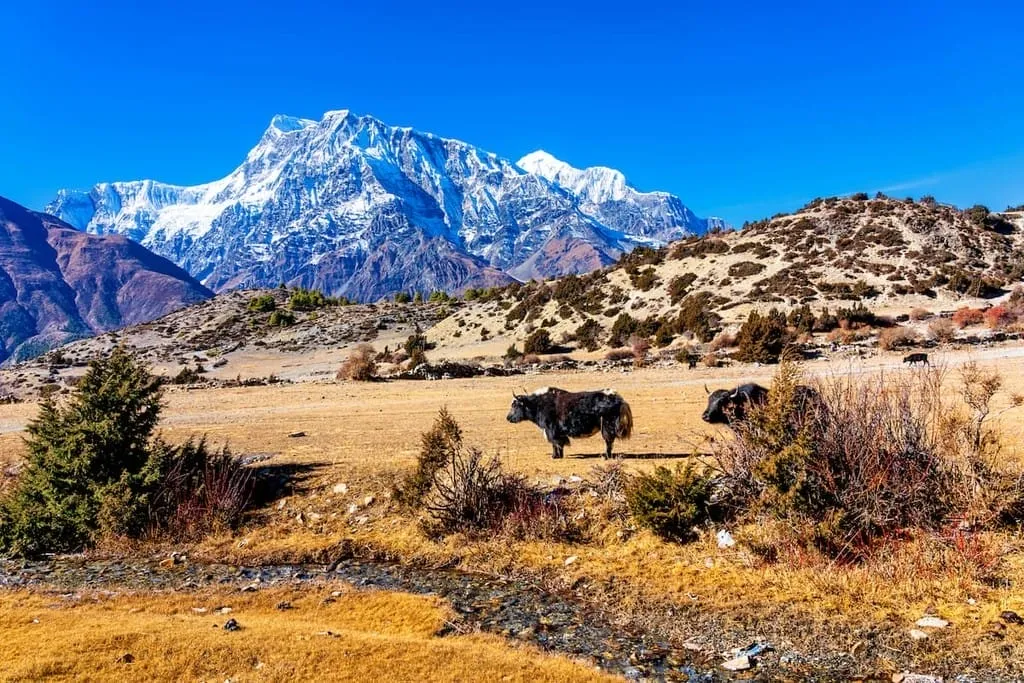
The Annapurna Circuit Trek is one of Nepal’s most well known and exciting trekking destinations, encircling the powerful Annapurna massif and winding through the north central Himalayas.This legendary trek traverses diverse landscapes—from subtropical valleys and terraced rice fields to rugged alpine ridges and the high-altitude desert of Thorong La Pass (5,416m). The climax? A jaw-dropping panorama of Annapurna, Dhaulagiri, and Manaslu from the world’s highest trekking pass. Along the way, rhododendron forests thin into windswept plateaus, where yaks graze under snow-capped giants. The scenery drastically changes as elevation rises, leading into the windswept, arid landscape of Manang, a stunning valley surrounded by high cliffs and hidden from view by Annapurna II and Gangapurna.

Beyond Manang, the climb intensifies—thin air at Yak Kharka (4,250m) gives way to Thorong High Camp’s (4,925m) icy, wind-scoured isolation.The trek’s ultimate challenge is crossing Thorong La Pass (5,416m), which rewards you with unbroken Himalayan views and the odd feeling that you are standing on the brink of two different worlds: the dry Mustang landscape and the lush Annapurna region.

The holy Muktinath Temple, a popular destination for Buddhists and Hindus alike, provides a singular cultural and spiritual experience as you descend into Muktinath (3,760m), where you will find relief from the heat. Jomsom and Tatopani are the next stops on the route, where you will pass through rocky, river-cut terrain before progressively returning to the wooded foothills. The trek will end in Pokhara, where the lush, subtropical landscape will greet you.

Difficulty Level and Preparation Tips at Annapurna Circuit Trek

Difficulty Level and Preparation Tips at Annapurna Circuit Trek
Tips for Annapurna Circuit Trek

Trekkers who successfully complete the strenuous 5,416-meter climb to Thorong La Pass are rewarded with expansive views of the Dhaulagiri and Annapurna mountain ranges. Overall, the Annapurna Circuit offers breathtaking views and an opportunity to experience different cultures. However, for a successful and pleasurable experience, it is essential to comprehend the trek’s level of difficulty.

The Annapurna Circuit trek is graded as moderate to challenging, with several factors contributing to its difficulty:

1.   High Altitude (Up to 5,416m at Thorong La Pass)

Altitude sickness is at Annapurna Circuit Trek a major queries, affecting even the fittest trekkers. Symptoms like headaches, nausea, and dizziness can occur above 2,500m. Proper habituation (climbing slowly, staying hydrated, and taking rest days) is crucial.

2.   Long Duration & Daily Trekking (5–8 hours/day for 12–21 days)

The full Annapurna circuit trek spans 160–230 km, requiring endurance and stamina. The Thorong La Pass crossing (a 10–12 hour day) is the toughest segment due to steep, icy trails and unpredictable weather.

3.   Varied Terrain

Trails range from lush forests to rocky, snowy paths, demanding strong ankles and good balance. Uneven surfaces and steep descents can strain knees trekking poles are highly recommended.

4.   Unpredictable Weather

Conditions can shift rapidly, with snowstorms, rain, or scorching sun possible even in peak seasons (spring/autumn).

5.   Remote & Basic Facilities

Teahouses at higher altitudes offer minimal amenities; cash and essentials (like medicines) must be carried.

Preparation Tips for the Annapurna Circuit Trek

Physical Training (Start 3–6 Months in Advance)

●     Cardio & Endurance: Running, cycling, swimming, or stair climbing (aim for 1-hour sessions, 3–5 weeks).

●     Strength Training: Focus on legs (squats, lunges) and core (planks) to handle long ascents/descents.

●     Practice Hikes: Simulate trek conditions with multi-day hikes carrying a loaded backpack (10–15kg).

Acclimatization and Altitude Awareness

  • Follow the “climb high, sleep low” principle.
  • Carry Diamox (altitude medication) and recognize symptoms of AMS (Acute Mountain Sickness).

Gear & Packing Essentials

●     Clothing: Layered clothing (thermal base, fleece, down jacket), waterproof shell, and sturdy ankle-support boots (broken in beforehand).

●     Sleeping Bag: Rated for -10°C to -20°C for high-altitude nights.

●     Other Gears: Trekking poles, headlamp, reusable water bottle, and high-SPF sunscreen.

Mental Preparation

  • Expect fatigue and discomfort; mindfulness practices (yoga, meditation) help maintain motivation.

Logistics & Safety

●     Permits: Annapurna Conservation Area Permit (ACAP) and TIMS card.

●     Guides/Porters: Highly recommended for navigation and reducing physical strain.

●     Travel Insurance: Must cover high-altitude rescue (up to 6,000m).

Best Time to Trek

●     Spring (March–May): Clear skies, blooming rhododendrons

●     Autumn (October–November): Stable weather, post-monsoon clarity

  • Prevent landslides and severe cold during the monsoon season (June to September) and the winter season (December to February).

Permits & Documents for Annapurna Circuit Trek


Permits and Required Documents Annapurna Circuit Trek

Annapurna Circuit trek permit is a compulsory requirement for those who wish to trek in the Annapurna region of Nepal. The permit is required to provide safety to the trekkers, protect the local environment and help in the local communities. The principal permit needed for the Annapurna Circuit Trek is the Annapurna Conservation Area Permit (ACAP). This permit helps the authorities to control tourism responsibly and limit the effects of the inspection to the environment. Entering the Annapurna Circuit without proper permits violates Nepalese law and risks serious consequences—you may face fines or be turned back at checkpoints. More critically, lacking official documentation means rescue teams won’t have your location records in emergencies, putting your safety at risk.

Annapurna Conservation Area Permit (ACAP) is a compulsory permit for all those trekkers entering the Annapurna Conservation Area (ACA). It provides access to the ACA which goes up to the entire trekking length.

The trek covers a broad region of the Annapurna Conservation Area. This conserved zone is quite large and encompasses the entire Annapurna Circuit trek. The ACA has a great diversity of landscape from subtropical forests to alpine grasslands and abundant animal and bird species. You are required to obtain the permit for Annapurna Circuit trek in order to ensure effective management of the region’s ecological and cultural heritage. The permit safeguards the native environment by limiting the number of trekkers, managing the environmental pressure and promoting conservation efforts.

This permit is applicable for the duration of your trek in the conservation area. It is usually issued for the number of days that you decide to trek in the Annapurna region and will also need to be shown at checkpoints along the route.

The Annapurna Conservation Area Permit (ACAP) costs:

  • Foreign nationals: NPR 3,000 (USD 22)

  • SAARC trekkers (Afghanistan, Bangladesh, Bhutan, India, Maldives, Pakistan, Sri Lanka): NPR 1,000 (≈USD 8)

The income acquired from the ACAP fee is spent on conservation activities like the maintenance of trails, monitoring of wildlife, sponsorship of community initiatives and maintenance of sustainable practices that help retain the area’s natural beauty and ecological integrity. Note: For more detail and update information you can visit to Department of National Parks and Wildlife Conservation

Accommodation and Food on Annapurna Circuit Trek

Accommodation and Food on Annapurna Circuit Trek

Annapurna region used to be a popular destination for camping treks. Today, trekkers enjoy comfortable lodging options along the Annapurna routes, with cozy tea houses, lodges, and homestays catering to hikers’ needs. While tea houses are plentiful along the Annapurna routes, peak season (October-November, March-April) demands advance bookings. Last-minute trekkers risk being relegated to dormitory-style sleeping in dining areas when lodges reach capacity.

1.   Tea Houses

A teahouse is the most popular and traditional kind of accommodation on the trail. They are usually located in a smaller village along the hiking routes. A local owns a tea house, which is essentially a house with minimal rooms set aside for hikers to stay the night. These tea houses are available in a range of designs, from low-cost versions with basic amenities to more opulent versions with features like Wi-Fi and hot showers.

A room with twin beds, a shared restroom (usually with squat toilets), and communal dining rooms are standard amenities offered by teahouses. The atmosphere in the teahouse is friendly, and the owners are warm and inviting. In the tea houses, you can chat with other hikers, exchange stories, and learn about the state of the trail.

2.   Lodges or Guesthouses

Although they are usually more expensive, lodges are cozier and larger than teahouses. Guest houses often serve Western food and offer private bathrooms and hot showers. They are typically located in larger towns or villages and may include extra amenities like free internet access. Certain lodges have room heating, which is a pleasant comfort on chilly evenings. The majority of these guest houses are situated in prime locations so you can take in the picturesque views of the mountains.

3.    Homestays

Several villages in the Annapurna region like Ghandruk and Ghorepani have homestays in addition to lodges and tea houses. Homestays provide you the chance to fully experience traditional Nepali cultures. You’ll be staying at the villagers’ home with their family. Along with learning about the local way of life, you will also discover how the climate and geography impact day-to-day existence in the Himalayan villages.

4.   Camping

A few daredevils who prefer a more conventional camping experience can even camp their way through the Annapurna journey. It may be more difficult to camp than to stay at a tea house as you have to carry all of your essentials along the way. So porters will be needed to help you carry the camping gear.

5.    Food on Annapurna Circuit Trek

The Annapurna Circuit Trek offers a wide range of culinary options. Vegetarian selections are available, as well as international and regional cuisine. Meals are usually served at tea houses along the route.

Here’s a typical daily menu on the Trek to Annapurna Circuit.

6.   Breakfast

The Trek to Annapurna Circuit breakfast options can vary depending on the teahouse you are staying at. The elevation also affects the choices of breakfast. You’ll typically find options for breakfast like porridge, toast with eggs or jam, pancakes, and Tibetan bread.

●     Porridge: Sometimes with fruits or nuts.

●     Pancakes: Plain, banana, apple, or chocolate.

●     Toast or Tibetan Bread: With butter, jam, or honey.

●     Eggs: Boiled, scrambled, fried, or omelette.

●     Chapati or Paratha: Indian-style bread.

7.   Lunch and Dinner

During the Annapurna Circuit Trekking in Nepal, lunch and dinner are essential for refuelling and hunger after a strenuous day of hiking. These meals offer a chance to replenish your energy with a balance of fats, proteins, and carbohydrates. Lightweight and local options are recommended because of the difficult trekking conditions. A variety of dishes fit for lunch and dinner are below:

  • Dal Bhat: Dal Bhat is Nepal’s staple food. It consists of lentil soup, rice, vegetables, and sometimes meat (chicken or mutton).
  • Noodles: For a satisfying meal, prepare fried noodles, noodle soup, or thukpa (Tibetan noodle soup) with veggies and protein.
  • Momo: Momos are another popular Nepali dish. They are dumplings filled with vegetables, cheese, or meat, steamed or fried.
  • Curry: Vegetable or meat curries with rice or chapati. Local vegetables are used to make curry, which is tasty and full of vitamins and minerals.
  • Pizza and Pasta: Simple versions made with local ingredients.
  • Fried Rice: With vegetables or meat.

Best Time to Travel Annapurna Circuit Trek

Best Time to Travel Annapurna Circuit Trek

Autumn (September–November)

September to November is autumn in the Himalayas, with October being the best time for the Annapurna Circuit trek. The monsoon clears the air, leaving dust-free trails. This is peak season, so tea houses—especially in Manang—get busy. November offers fewer crowds but colder days and nights.

Winter (December–January)

December is possible for trekking, but January brings heavy snowfall, often blocking Thorong La Pass. Trekkers must prepare for extreme cold and potential route delays or detours.

Spring (February–April)

February to April features warmer days and blooming rhododendrons. This quieter season is a great alternative to autumn, with clear skies and pleasant temperatures.

Pre-Monsoon (May–June)

May is warm but risky due to pre-monsoon rain. June marks the start of monsoon season, bringing lush greenery but obscured mountain views and landslide risks.

Monsoon (July–August)

Torrential rains cause flooding and landslides, especially in lower sections. While the landscape turns vibrant green, Himalayan vistas are often hidden behind clouds.

Packing List and Gear Guide

  • Pack many high energy snacks, like energy bars, nuts, and dried fruit. These will help you maintain your energy levels all day
  • Sip a lot of water. Staying hydrated is essential, particularly at higher elevations
  • Keep altitude sickness in mind. An inability to eat can result from altitude sickness. Try eating fewer, more frequent meals if you begin to feel ill
  • If you have any dietary needs, inform your lodges beforehand
  • Most teahouses expect you to eat where you stay

How Cold does it get on the Annapurna Circuit?

he Annapurna Circuit experiences extreme temperature swings across seasons and altitudes. In winter, daytime temperatures average 5-10°C but plummet to -20°C or lower at high elevations and nighttime. Summer brings milder 15-23°C conditions at lower altitudes (<2,500m), though temperatures still drop below 10°C above 4,000m – with the Thorong La Pass (5,416m) often remaining below freezing even in warmer months.

Annapurna Circuit Trek Packing list?

Annapurna Circuit Trek Packing list?


The Annapurna Circuit’s extreme temperatures demand foolproof gear:
✔ Bombproof hiking boots – your feet face everything from river crossings to ice
✔ 4-season waterproof shell – sudden snowstorms and sideways rain are guaranteed
✔ Goose-down jacket (-20°C rated) – thin air at Thorong La means brutal windchill
A fake-brand sleeping bag picked up on a backpacking route won’t cut the mustard in the Himalayas.

Plastic water bottles are risky in freezing terrain. A high-quality insulated metal flask prevents this, keeping your water drinkable for hours.

The same goes for food. Dinner may be four times as expensive up the mountain, once the roads have ended, as you would have paid in Kathmandu. Here is a bullet pointed  list of what to bring on the Annapurna Circuit:

Clothes

●       Waterproof jacket

●       Mid weight down jacket

●       Waterproof trousers

●       Lightweight trekking trousers

●       Hiking shorts

●       Thermals (top and bottom, merino ideal)

●       3-4 trekking t-shirts/shirts

●       Fleece or warm mid-layer

●       Waterproof thick gloves

●       Glove liners

●       Hiking socks and lighter walking socks

●       Wool hat

●       Sun hat

●       Spare underwear

●       Buff or similar

Shoes

●       Worn in waterproof hiking boots

●       Lightweight trainers (for the evenings)

●       Flip-flops or sandals

Sleeping

●       4-season sleeping bag

●       Sleeping bag liner

●       Pillow case (optional)

Other

●       Trekking poles

●       Travel towel

●       Sun protection (sunscreen, and sunglasses)

●       2 water bottles (1 litre each)

●       Metal SIGG bottle (useful to fill with hot water to use as a hot water bottle at bedtime)

●       Headtorch

●       First aid kit and/or personal medication

●       Water purification tablets/system

●       Hand gel

●       Biodegradable wet wipes

●       Small biodegradable bags to take toilet tissue off the mountain

●       Toilet paper/tissues

●       1 x passport photo for trek permit

●       Powerbank

●       Universal plug adaptor

●       Book/kindle/cards for downtime

Winter departures only

Annapurna Circuit Trek is Nepal’s most stunning and well known trek. It circles the breathtaking Annapurna mountain range in Nepal’s west.This trek is popular with tourists from all over the world.

Along the way, you’ll encounter breathtaking landscapes—lush forests, roaring waterfalls, and traditional villages. As you ascend, the terrain shifts to rugged, rocky expanses and arid highlands.
The Annapurna Circuit Trek typically takes around 10 to 14 days, covering a distance of approximately 170 to 240 kilometers, depending on the route. Through the trek, you will adventure the cultural and natural riches of the Annapurna region.

Annapurna Circuit Trek FAQs

1. Why is the Annapurna Circuit Trek a must‑do trek in Nepal?

The Annapurna Circuit Trek is one of the most scenic and culturally rich treks in Nepal.

2. How long does Annapurna Circuit trek take?

It takes 10 to 14 days

3. What is the best time to trek the Annapurna Circuit trek?

Ideal seasons are autumn (September–November) and spring (March–May), featuring stable weather, clear skies, and vibrant scenery like the rhododendron blooms.

4. What permits are required in Annapurna Circuit trek ?

You must obtain:

  • Annapurna Conservation Area Permit (ACAP): NPR 3,000 ( USD 22) for foreign trekkers, NPR 1,000 (≈ USD 8) for SAARC nationals.
  • TIMS Card: (Trekkers’ Information Management System).

These are essential and are checked at various checkpoints along the route.

5. What are the accommodation options for the Annapurna Circuit trek ?

  • Tea Houses: Simple accommodations with dining areas, shared bathrooms, and twin beds.
  • Lodges/Guesthouses: More comfortable, often with private baths, Western food, Wi‑Fi heating.
  • Homestays: Authentic Nepalese hospitality in villages like Ghandruk and Ghorepani.

6. What food can you expect along the trail?

Common meals include:

  • Breakfast: Porridge, pancakes, eggs, Tibetan bread.
  • Lunch/Dinner: Dal bhat, momos, noodles, fried rice, curry, pasta—vegetarian and non‑veg options available.

7. How difficult is the Annapurna Circuit Trek?

It’s classified as moderate to challenging. Challenges include:

  • High altitude (Thorong La Pass at 5,416 m).
  • Long daily hiking (5–8 hours).
  • Varied terrain: forested trails, rocky ridges, alpine deserts.
  • Unpredictable weather: sudden snow, rain, or sun.

Proper acclimatization and fitness training are vital.

8. How should I prepare for the Annapurna Circuit trek ?

Preparation steps:

  • Physical Training: Cardiovascular endurance (running, cycling), strength training, and practice hikes with a loaded pack.
  • Acclimatization: Follow “climb high, sleep low”; consider altitude meds like Diamox.
  • Gear: Sleeping bag (between 10°C and 20°C), trekking poles, waterproof shell, sturdy broken-in boots, headlamp, high-SPF sunscreen, and layers of clothing.
  • Mental Readiness: To develop mental resilience, practice yoga, meditation, or mindfulness.
  • Logistics: As part of your logistics, you’ll need to arrange ACAP and TIMS permits, ensure travel insurance with altitude coverage, and possibly hire porters or guides.
  1. What is the highest altitude reached of Annapurna Circuit Trek ?
    The highest altitude is 5416 m at the Thorang La Pass
  2. How cold is Annapurna Circuit Trek ?
    It can drop to -20°C at higher elevations of the Annapurna Circuit, even in summer.

Winter Cultural Tours in Kathmandu: Explore Nepal’s Rich Heritage

Discover Winter Cultural Tours in Kathmandu and experience Nepal’s rich heritage through ancient temples, vibrant festivals, and local traditions. Perfect for winter travelers seeking authentic culture.

Why Visit Winter Cultural Tour in Kathmandu?

Visiting Kathmandu between November and February offers a unique experience. We exclusively offer visits to all major sites in Kathmandu in one day Contact us to book now. The cold weather and clear sky makes it the perfect time to explore the city’s rich cultural and historical attractions. With fewer tourists around, you can take your time soaking in Kathmandu’s heritage at a more relaxed pace. Unlike the monsoon season, the winter weather is far more pleasant, making it a great choice for sightseeing.

Top Cultural Sites to Visit in Winter Cultural Tour in Kathmandu 

1. Swayambhunath Stupa (Monkey Temple)

swayambhunath stupa (monkey temple)

Located on a hill, Swayambhunath offers stunning views of the Kathmandu Valley. This ancient stupa is a significant Buddhist pilgrimage site, and you’ll also find the famous Monkey Temple here. The monkeys running around add a playful vibe to the place, making it an enjoyable stop for visitors.

2. Pashupatinath Temple

Pashupatinath Temple

One of the holiest Hindu temples in Nepal, Pashupatinath is dedicated to Lord Shiva. Situated on the banks of the Bagmati River, it’s a center of religious activity, especially during festivals. Visitors get a chance to witness Nepal’s spiritual side and learn about the country’s deep religious history.

3. Boudhanath Stupa

Boudhanath Stupa
Boudhanath Stupa

As one of the largest stupas in the world, Boudhanath is a UNESCO World Heritage Site and a central hub for Tibetan Buddhism in Nepal. Surrounded by peaceful monasteries, the stupa offers a serene environment perfect for contemplation and meditation.

4. Kathmandu Durbar Square

Kathmandu Durbar Square

Kathmandu Durbar Square was once the royal palace complex of the Malla kings. It’s now home to palaces, courtyards, and temples. One of the highlights is Kumari Ghar, the residence of the Living Goddess. The intricate architecture and the historical significance of this place make it a must-see for any culture lover.

Why Choose a Tour Guide in Nepal for Your Winter Cultural Tour?

1. Expert Local Guides

expert local guide
expert local guide

Tour Guide in Nepal offers knowledgeable local guides who provide valuable insights into Kathmandu’s history, culture, and traditions. Having a local guide by your side can make your trip even more special and help you uncover stories behind the city’s famous landmarks.

2. Customizable Itineraries

Customizable Itineraries

Whether you’re interested in heritage sites, spiritual landmarks, or local food, Tour Guide in Nepal offers customizable itineraries tailored to your interests. This way, your tour can be as unique as you are.

3. Authentic Experiences

Authentic Experience

Get a real taste of Nepali culture with authentic experiences. From savoring traditional Newari and Nepali dishes to engaging with local communities and even participating in cultural ceremonies, you’ll be able to connect with the local way of life like never before.

Conclusion

Winter in Kathmandu is a magical mix of cultural richness and spiritual depth. With customized tours from Tour Guide in Nepal, you can dive deep into the city’s heritage and create unforgettable memories. So, if you’re looking to experience Kathmandu’s beauty and traditions this winter, make sure to do it with the personal touch and expertise of local guides.

Christmas and New Year in Nepal: Celebrate Festive Bliss

Nepal, a land of majestic mountains and rich traditions, one of a kind experience to celebrate Christmas and New Year in Nepal.

if you’re a nature lover, an adventurer, or someone looking for spiritual renewal, Nepal has something special to offer during the festive season.

Why Celebrate Christmas and New Year in Nepal?

Blend of Cultures

Nepal’s diversity shines during Christmas and New Year, as locals and tourists come together to celebrate. You’ll witness a harmonious mix of traditions, with Christian, Hindu, and Buddhist influences.

Pleasant Winter Weather

Winter in Nepal offers clear skies and breathtaking mountain views. It’s the perfect time to enjoy trekking and sightseeing without the usual crowds.

Festive Vibes in Major Cities

Cities like Kathmandu, Pokhara, and Bhaktapur are beautifully decorated, with hotels, restaurants, and streets lit up for the celebrations.

From a Traveler

“Celebrating New Year’s Eve in Pokhara was magical. The live music by the lake and the warm hospitality of the locals made it unforgettable.” – Emma, a traveler from the UK.

Top Places to Celebrate Christmas and New Year in Nepal

PlaceWhy Visit?
KathmanduFestive lights, Christmas markets, and cultural events in Thamel.
PokharaLakeside parties, live music, and serene boat rides on Phewa Lake.
NagarkotStunning sunrise views over the Himalayas, perfect for a peaceful retreat.
ChitwanJungle safaris and bonfires for a unique wilderness experience.
Everest RegionTrekking adventures combined with festive celebrations in tea houses.

Kathmandu Valley Tour ( 4 Days)

Kathmandu Valley Tour

Pokhara Tour ( 5 Days)

Kathmandu Pokhara Tour

Nagarkot Bhaktapur Day Tour ( 1 Days)

Nagarkot Bhaktapur Day Tour

Activities to Enjoy During Christmas and New Year

  1. Trekking and Adventure: Embark on treks like Annapurna Circuit or Everest Base Camp to kickstart the new year with an adventure.
  2. Festive Dinners: Relish traditional Nepali dishes alongside Christmas classics at hotels and restaurants.
  3. Cultural Exploration: Visit ancient temples, monasteries, and UNESCO World Heritage Sites for a spiritual experience.
  4. Live Music and Parties: Enjoy vibrant nightlife in Pokhara and Kathmandu with live music and themed parties.
  5. Shopping for Souvenirs: Explore Christmas markets and local bazaars for unique gifts and handicrafts.

Essential Tips for Travelers

  • Pack Smart: Carry warm clothing as winter nights can get chilly.
  • Book in Advance: Secure accommodations early, as popular spots fill up quickly during the festive season with Nepal tour guide.
  • Try Local Delicacies: Don’t miss out on momos, dal bhat, and sel roti for an authentic taste of Nepal.

Key Takeaways

  • Nepal offers a unique blend of adventure, culture, and festivity for Christmas and New Year.
  • Popular destinations include Kathmandu, Pokhara, and the Everest Region.
  • Engage in activities like trekking, cultural tours, and vibrant parties.

Frequently asked Question for Christmas and Ne Year in Nepal (FAQs)

1. How is Christmas celebrated in Nepal?

Christmas in Nepal is celebrated with vibrant decorations, festive events, and special church services, particularly in Kathmandu and Pokhara.

2. Are there any special events for New Year in Nepal?

Yes, Nepal hosts lively events, including cultural performances, concerts, and parties in popular tourist areas like Thamel, Lakeside Pokhara, and major hotels.

3. Can I go trekking during Christmas and New Year in Nepal?

Absolutely! Many trekkers choose this time for scenic treks like the Annapurna Circuit and Everest Base Camp, enjoying clear skies and festive cheer.

4. What are the weather conditions in Nepal during Christmas and New Year?

Winter in Nepal is cool and dry, with daytime temperatures in cities like Kathmandu around 15°C. Trekking regions can be colder, especially at higher altitudes.

5. Are restaurants and shops open during Christmas and New Year in Nepal?

Yes, most restaurants, shops, and markets remain open and often feature festive decorations and special menus for the holidays.

Nepal Tour in December: Mild Weather, Clear Skies & Adventure

The Nepal tour in December offers a unique blend of stunning landscapes, cultural richness, and adventure With mild weather and clear skies, it’s an excellent time for trekking, wildlife safaris, and exploring vibrant cities.

“Nepal is a destination where adventure meets culture; every corner tells a story.”

Why Choose December for Your Nepal Tour?

Weather Overview

LocationDaytime TemperatureNighttime TemperatureConditions
Kathmandu10°C to 15°C5°C to 7°CMild and dry
PokharaSlightly warmerChilly at nightScenic beauty
Mountain Areas-20°C at high altitudesVery coldSnowy landscapes

Places to Visit in Nepal in December

PlaceHighlights
KathmanduUNESCO World Heritage Sites like Pashupatinath Temple and Boudhanath Stupa.
PokharaStunning lakes and panoramic views of the Annapurna range.
Chitwan National ParkWildlife safaris to see rhinos and tigers.
MustangUnique Tibetan culture and breathtaking landscapes.

Does It Snow in Nepal in December?

Yes, it can snow in higher altitudes such as the Himalayas. Areas like Mustang may experience snowfall, making it a picturesque winter wonderland, while lower regions like Kathmandu typically remain dry and mild.

Best Nepal Tour Packages in December

Kathmandu Valley Tour

USD 6416755% off

 4 Days
Kathmandu Pokhara Tour

USD 7417805%% off

 5 Days
Nagarkot Bhaktapur Day Tour

USD 12013310% off

 1 Days


Kathmandu Nepal Tour 2025

In 2025, the Kathmandu Nepal Tour offers visitors a unique blend of adventure, history, and modern experiences, including casino nights and nearby adventure sports like scuba diving.

This guide will walk you through the best Nepal tour packages, casino experiences, and other exciting activities to make your Kathmandu Nepal Tour 2025 unforgettable.

Best Kathmandu Nepal Tour 2025 Packages with Price

Planning a trip to Kathmandu? Here are some of the top-rated Kathmandu Nepal Tour Packages for 2025, perfect for solo travelers, families, or adventure enthusiasts.

Tour PackageDurationPrice (USD)Inclusions
Kathmandu Valley Heritage Tour4 Days300 – 500Accommodation, city tour, meals
Adventure Tour (Kathmandu, Pokhara)7 Days800 – 1,200Trekking, paragliding, transportation
Kathmandu Cultural & Nature Tour5 Days400 – 600Guided tours, nature walks, historical landmarks
Kathmandu Casino Experience3 Days150 – 300Casino entry, accommodation, meals
Luxury Kathmandu Tour with Soaltee Casino4 Days700 – 900Soaltee Casino package, 5-star accommodation, meals

These packages cater to different travel styles, from budget-friendly to luxury, ensuring there’s something for everyone.

Kathmandu Valley TourUSD 6416755% off

 4 Days

Kathmandu Pokhara TourUSD 7417805%% off

 5 Days

Nagarkot Bhaktapur Day TourUSD 12013310% off

 1 Days

Kathmandu Nepal Tour 2025 Highlights

  1. Kathmandu Valley Heritage Tour
    Explore ancient temples, palaces, and UNESCO World Heritage Sites like Pashupatinath Temple Tour, Boudhanath Stupa, and Swayambhunath (Monkey Temple).
  2. Adventure Tours
    Thrill-seekers can extend their Kathmandu tour with visits to Pokhara for activities like paragliding, bungee jumping, and mountain biking.
  3. Nepal Casino Packages
    For those interested in nightlife and entertainment, Nepal Casino Packages are a fantastic choice. Casinos like Casino Royale, Casino Shangri-La, and Soaltee Casino offer exciting gaming experiences.

Kathmandu Casino Packages and Entry Fees

Kathmandu is home to several renowned casinos that attract both locals and tourists alike. Here are some of the popular casinos and details on their entry fees and package options:

CasinoEntry Fee (USD)Package OptionsLocation
Casino RoyaleFree for foreignersLive music, food, drinks, unlimited accessYak and Yeti Hotel
Soaltee Casino20-30Soaltee Casino package, luxury accommodationSoaltee Crowne Plaza
Casino Shangri-La15-25Access to casino floor, complimentary drinksHotel Shangri-La

Soaltee Casino offers premium gaming experiences, with luxury packages that include accommodation, meals, and unlimited access to the casino floor.

Scuba Diving in Nepal: A Hidden Gem

Though Nepal is primarily known for its mountains, the country has started offering scuba diving experiences in Pokhara’s Phewa Lake and other adventure hubs. While it’s not ocean diving, these freshwater dives give you a chance to explore Nepal’s aquatic ecosystems.

LocationPrice (USD)Best TimeInclusions
Phewa Lake, Pokhara100 – 150March – MayDiving gear, guide, transportation
Begnas Lake80 – 120September – NovemberDiving gear, guide

Scuba diving is becoming a popular addition to Nepal’s adventure tourism, adding another thrilling option for adventurous travelers.

Soaltee Casino Packages

Soaltee Casino, located in Soaltee Crowne Plaza, is one of the most luxurious casinos in Kathmandu. Their 2025 packages offer an exclusive blend of entertainment, dining, and high-end hospitality.

Soaltee Casino Package Inclusions:

  • VIP access to the casino floor
  • Complimentary meals and beverages
  • Luxury accommodation in Soaltee Crowne Plaza
  • 24-hour casino access

Price: Packages range from $700 to $900 for 4-day stays, including accommodation and meals.

Kathmandu Nepal Tour 2025: Distance and Travel Tips

For those traveling to Kathmandu from various parts of Nepal or abroad, here are some travel tips:

  • Distance from Pokhara to Kathmandu: 200 km (6-7 hours by car)
  • Distance from Chitwan to Kathmandu: 150 km (5-6 hours by car)
  • Flight from Pokhara to Kathmandu: 25 minutes (daily flights available)

Reviews of Kathmandu Nepal Tours

“Our trip to Kathmandu was fantastic! The cultural heritage tour was deeply immersive, and the Soaltee Casino package was worth every penny. We loved the combination of ancient history and modern luxury.” – John D.

“Nepal’s natural beauty is unparalleled. The Pokhara adventure tour was filled with adrenaline-packed activities, and the people were so welcoming. Highly recommend!” – Lisa M.

Key Takeaways for Kathmandu Nepal Tour 2025

  • Kathmandu Nepal Tour 2025 offers a wide variety of experiences, from heritage tours to adventure sports and casino nights.
  • There are plenty of affordable and luxury tour packages available, ranging from $150 to $900.
  • Casino packages in Kathmandu provide a unique blend of nightlife and luxury, with Soaltee Casino being a top choice.
  • Scuba diving in Nepal is a unique and exciting activity for those looking to explore beyond the mountains.

FAQs

1. What is the best time to visit Kathmandu for a tour?
The best time to visit Kathmandu is during March to May and September to November when the weather is pleasant for sightseeing and outdoor activities.

2. How much does a Kathmandu tour package cost?
The cost of a tour package depends on the duration and inclusions. Prices range from $300 to $1,200, with both budget-friendly and luxury options available.

3. Are casino packages in Kathmandu worth it?
Yes! Casinos like Soaltee Casino and Casino Royale offer fantastic experiences, and many packages include VIP access, accommodation, and dining.

4. Is scuba diving available in Kathmandu?
While not directly in Kathmandu, scuba diving is offered in Pokhara and nearby lakes, providing a unique adventure option.

Best Time to Visit Kalinchowk

If you are adventure enthusiast, you might be looking forward to visit Kalinchowk for snowfall.

But, do you know, when is the best time to visit Kalinchowk? If not, be sure, you are getting right information and other related info about Kalinchowk herewith.

We all know, this is winter season in Nepal and the adventures activity during winter is memorable.

During winter season, we can’t make hike to high altitudes so Kalinchowk Kuri Village might be your right destination for visiting this winter season.

Best time to visit Kalinchowk?

Generally visiting Kalinchowk is best during all the time in a year round but if you are looking for snowfall time or snow activities, from December to February is the peak time.

Winter season is ideal time for playing with snow.

The Kalinchowk weather in October and Kalinchowk weather in November is relatively mild, and Kalinchowk receives high traffic during the Nepal’s biggest festival season

Kalinchowk receive high traffic during the Nepal’s biggest festival season Dashain and Tihar.

Kalinchowk Bhagwati (Kali)Temple?

Kalinchowk Bhagwati Temple is a hindu shrine situated in Dolakha district near Kathmandu valley.

It is the most visited destination by local tourists recently after the development of basic infrastructure and Kalinchowk Cable Car.

From the atop, you can have spectacular views of Annapurna, Lamjung, Manaslu, Ganesh Himal, Shisha Pangma, Langtang, Dorjee Lakpa, Jugal Himal, Gaurishankar and namburi Himal.

Kalinchowk Packages

Kalinchowk Trek – 2 Days for Foreigners

2 Days Kalinchowk trek is specially designed for foreigners who are looking for short hiking package near Kathmandu valley.

It is a luxury tour package on a jeep applicable to maximum 7 persons.

Frequently Asked Questions

Where is Kalinchowk?

Kalinchowk is a Hindu shrine in Dolakha District. It is situated at an altitude of 3842m from sea level.

How far is Kalinchowk from Kathmandu?

Kathmandu to Kalinchowk distance is about 149 km via Araniko highway.

What is the altitude of Kalinchowk?

The altitude of Kalinchok Bhagwati Temple is 3842m from sea-level.

How to go Kalinchowk from Kathmandu?

You can either take a public bus or private jeep to go Kalinchowk from Kathmandu. If you are looking for luxury travel, get private jeep package to Kalinchowk. For this, you need to call our tour manager Kumar Dahal (+9779851243700) or visit our office at Thamel, Kathmandu.

How can we make reservations?

For the booking of Kalinchowk tour package, you simply make a deposit half of the tour package cost visiting our office at Thamel Kathmandu. You can pay rest of the money before departure.

Do you have fixed departure dates?

Yes, we have the fixed departure dates for Kalinchowk tour package. Our fixed departure days are Friday and Saturday every week during the months January and February. You can join a group on these days at your available time. For further details, please call us or email us [email protected].

Mount Everest Advanced Base Camp

1. What is Mount Everest Advanced Base Camp?

Mount Everest Advanced Base Camp (ABC) in Tibet is the highest trekking point accessible to non-climbers, offering unparalleled views of the north face of Mount Everest.

Known for its remoteness and unique terrain, the ABC Everest trek provides a closer glimpse of the mountain’s rugged beauty.

“ABC is not just another base camp—it’s a step into Everest’s raw and isolated wilderness, ideal for seasoned trekkers.”

2. Why Choose Tibet’s Advanced Base Camp?

Trekking to Everest Advanced Base Camp in Tibet offers a distinct experience compared to the South Base Camp in Nepal:

FeatureAdvanced Base Camp (Tibet)South Base Camp (Nepal)
Altitude6,400 meters5,364 meters
Trekking DifficultyHigh due to altitude and rugged terrainModerate to High
View of EverestNorth FaceSouth Face
Main AttractionsRemote, fewer trekkers, Tibetan monasteriesMore developed, cultural villages
Popular RouteRongbuk Monastery to ABCLukla to EBC

Both routes provide spectacular views, but ABC Everest trek in Tibet offers a more secluded experience and a close-up of Everest’s towering north face.

3. Trek Routes to Advanced Base Camp

Get your Guide To Know about the Permits

The Everest trek route begins at Rongbuk Monastery, the highest monastery in the world, situated close to the Tibet Base Camp.

Trekkers gradually ascend through intermediate camps before reaching Advanced Base Camp.

CampAltitudeDescription
Rongbuk Monastery5,100 metersStarting point for ABC trek
Interim Camp5,800 metersAcclimatization stop
Mount Everest ABC6,400 metersFinal destination, highest point

“The route to ABC includes stops at Interim Camp, helping trekkers acclimatize and adapt to high-altitude conditions.”

4. Detailed Comparison: North Everest Base Camp vs. South Base Camp

The choice between the North Base Camp in Tibet and the South Base Camp in Nepal often depends on personal trekking experience and the desire for a remote adventure.

  • North Everest Base Camp (Tibet): Known for its harsh conditions, higher altitude, and incredible views of Everest’s north face.
  • South Everest Base Camp (Nepal): Offers a more social trek with villages, lodges, and bustling trekking culture.

Each base camp has unique characteristics, but Mount Everest Advanced Base Camp (ABC) stands out for its rugged beauty and seclusion.

5. Essentials for the ABC Trek

Preparing for the ABC Everest trek is critical, as the journey is demanding and requires advanced trekking gear and acclimatization. Here’s a list of essentials:

  • Permits: Tibet Travel Permit and Alien Travel Permit are required.
  • Fitness Level: High endurance is necessary, as the trek reaches altitudes over 6,000 meters.
  • Gear: Cold-weather gear, high-altitude boots, and trekking poles are essential.
  • Guides: Hiring an experienced guide familiar with Tibetan regulations and the high-altitude terrain is recommended.

“The trek to ABC is demanding but ultimately rewarding, offering trekkers a closer look at the less-explored northern slopes of Everest.”

FAQs

How long does it take to trek to Mount Everest Advanced Base Camp?
The trek typically takes 12-14 days, allowing for acclimatization stops along the way.

What is the best time for the ABC trek?
The ideal months are April to May and September to October when weather conditions are most favorable.

Do I need previous trekking experience for ABC?
Yes, due to high altitude and challenging terrain, previous high-altitude trekking experience is highly recommended.

Can I visit both North and South Base Camps?
Yes, some trekkers visit both camps for a complete experience, but it requires separate permits and planning.

Do you have to pay to climb everest

Yes, you have to pay to climb Mount Everest.

The costs associated Mount Everest trek with climbing this iconic peak are significant and can vary widely based on several factors, including the type of expedition and the services included.

climb Mount Everest
image source : tranquilkilimanjaro

Expense CategoryCost (USD)Description
Climbing Permit$11,000Mandatory permit from the Nepalese government.
Khumbu Region Permit$3,500Additional permit required for the Khumbu region.
Insurance$1,000 – $5,000Includes travel, medical, and evacuation insurance.
Gear & Equipment$10,000 – $20,000Includes climbing harness, helmet, crampons, ice axe, sleeping bag, etc.
Sherpa Support$5,000 – $10,000Cost for Sherpa guides who assist climbers during the expedition.
Logistics$5,000Covers transportation, food, and accommodation in Nepal.
Additional CostsVariesIncludes tips for guides, medical evacuation insurance, and personal items.
  • Total Cost: Climb Mount Everest can cost anywhere from $30,000 to $220,000 depending on your needs and preferences.
  • Average Cost: A guided climb typically costs around $50,000.
  • Support Services: Sherpas play a crucial role in assisting climbers and their support costs vary.

Climbing Everest is not just a physical challenge but also a significant financial commitment.

Are you considering taking on this adventure?

Nepal tour package that covers everything from hotel accommodations to exhilarating adventures, ensuring a stress-free experience Affordable Call +977 9851243700.

    FAQs

    • How much does it cost to climb Mount Everest?
      Climbing Mount Everest costs between $30,000 and $220,000, depending on permits, gear, Sherpa support, and other services.
    • What permits are required to climb Mount Everest?
      You need a climbing permit ($11,000) and a Khumbu region permit (around $3,500) to climb Mount Everest.
    • What gear is essential for climbing Mount Everest?
      Essential gear includes climbing harness, helmet, crampons, ice axe, sleeping bag, and other specialized equipment, costing $10,000 to $20,000.
    • How important is Sherpa support for climbing Everest?
      Sherpas play a crucial role in assisting climbers with carrying loads, setting up camps, and ensuring safety. Their support costs range from $5,000 to $10,000.
    • Do I need insurance to climb Mount Everest?
      Yes, travel, medical, and evacuation insurance are essential, costing between $1,000 and $5,000, to ensure safety during the expedition.

    Everest climbing permits requirements

    To climb Mount Everest, climbers must obtain several permits and adhere to specific regulations set by the Nepalese government.

    Here’s a detailed overview of the requirements and costs involved in securing a permit to ascend the world’s highest peak.

    Types of Permits Required for Everest climbing

    image credit : nepalecoadventure

    1. Everest Climbing Permit:
      • This is the primary Everest climbing permits required for summiting Everest, costing $11,000 for foreign climbers and Rs75,000 for Nepali citizens
      • The fee is expected to increase to $15,000 starting in 2025 as part of efforts to manage tourism and enhance safety on the mountain
    2. Tourist Visa:
    3. Additional Permits:
      • Depending on the route and activities, climbers may need other permits, such as those for specific trekking routes or base camps.

    Requirements for Obtaining an Everest climbing permits


    Get your Guide To Know about the Permits

    • Previous Climbing Experience: Climbers must have successfully summited at least one mountain in Nepal that is over 6,500 meters (21,325 feet) high before they can apply for an Everest climbing permit
    • Health Certification: A medical certificate confirming the climber’s physical fitness is required
    • Training: Basic mountaineering training is recommended or required to ensure climbers are prepared for high-altitude conditions

    Environmental Considerations

    Recent developments have seen Nepal’s Supreme Court mandate limits on the number of climbing permits issued to address environmental concerns and overcrowding on Everest.

    This decision aims to ensure that the mountain’s capacity is respected and includes measures for waste management and environmental preservation.

    Costs Beyond Permits

    The total cost of climbing Everest can be substantial, often exceeding $100,000, which includes:

    • Transportation to base camp
    • Equipment and supplies
    • Guide fees (if opting for a guided expedition)
    • Additional fees for liaison officers and other local services

    Climbers typically join commercial expeditions that provide logistical support, which can significantly increase the overall cost but also enhance safety and success rates.

    In summary, climbing Mount Everest requires careful planning, significant financial investment, and adherence to strict regulations aimed at preserving both climber safety and the mountain’s environment.

    FAQ (Frequently Asked Questions)

    1. What permits are required to climb Mount Everest?
      You need an Everest Climbing Permit, a tourist visa for Nepal, and additional trekking permits based on your route.
    2. How much does the Everest Climbing Permit cost?
      The permit costs $11,000 for foreign climbers and Rs75,000 for Nepali citizens. It is expected to rise to $15,000 in 2025.
    3. Do I need previous climbing experience to get a permit?
      Yes, you must have summited a Nepalese mountain over 6,500 meters (21,325 feet).
    4. Are there any additional costs besides permits?
      Yes, total costs often exceed $100,000, including equipment, guides, transportation, and other fees.
    5. Why is the permit fee increasing in 2025?
      The increase aims to manage tourism, enhance climber safety, and support environmental preservation on Mount Everest.
    6. What are the environmental rules for climbing Mount Everest?
      Nepal limits permits, mandates waste management, and enforces measures to protect the mountain’s environment.
    7. What is the cost of a tourist visa for Nepal?
      A 90-day tourist visa costs approximately $125.
    8. Can I climb Mount Everest without a guide?
      While it’s possible, most climbers join guided expeditions for safety and logistical support.

    Pashupatinath temple tour package

    Pashupatinath temple tour package offers a spiritual journey through Nepal’s most sacred Hindu shrine. No matter your travel style, enjoy options from budget to premium with private transport, guided rituals, cultural experiences, and temple aarti.
    Experience Nepal travel package holiest Hindu shrine, where ancient traditions meet spiritual awakening on the banks of sacred Bagmati River.

    Pashupatinath temple tour package
    Pashupatinath temple tour package

    Quick Navigation for Pashupatinath temple tour package

    • Package Options
    • Best Time to Visit
    • What’s Included
    • Booking Guide
    • Temple Guidelines

    Popular Tour Packages for Pashupatinath temple tour package

    Standard Temple Tour for Pashupatinath temple tour package

    • Duration: 3-4 hours
    • Price: $30-40 per person
    • Ideal for: Quick visits

    Includes:

    • ✅ Professional guide
    • ✅ Temple entrance fee
    • ✅ Evening aarti viewing
    • ✅ Basic temple history
    • ❌ Transportation
    • ❌ Meals

    Premium Spiritual Package for Pashupatinath temple tour package

    • Duration: 6-8 hours
    • Price: $60-80 per person
    • Ideal for: Deep spiritual experience

    Includes:

    • ✅ Expert spiritual guide
    • ✅ Morning rituals
    • ✅ Evening aarti
    • ✅ Meditation session
    • ✅ Private transportation
    • ✅ Vegetarian lunch
    • ✅ Blessing ceremony

    Complete Kathmandu Sacred Tour for Pashupatinath temple tour package

    • Duration: Full day
    • Price: $100-120 per person
    • Ideal for: Cultural enthusiasts

    Includes:

    • ✅ Multiple temple visits
    • ✅ Professional guide
    • ✅ Luxury transportation
    • ✅ Traditional lunch
    • ✅ Photo opportunities
    • ✅ Souvenir gift

    Best Time to Visit

    Kathmandu Lumbini Tour
    Kathmandu Lumbini Tour

    5%% off

     7 Days

    USD 1325   $1258.75

    Kathmandu Lumbini Tour

    SeasonMonthsCrowd LevelSpecial Events
    PeakFeb-AprilVery HighShivaratri Festival
    ShoulderOct-NovModerateTeej Festival
    LowJune-SeptLowRegular Ceremonies

    Daily Schedule

    Morning Activities

    1. 5:00 AM: Temple opens
    2. 6:00 AM: Morning aarti
    3. 7:00 AM: Priest blessings
    4. 8:00 AM: Meditation time

    Evening Activities

    1. 5:00 PM: Evening preparation
    2. 6:00 PM: Main aarti ceremony
    3. 7:00 PM: Bhajan/Kirtan
    4. 7:30 PM: Temple closes

    Package Price Comparison

    Package TypeDurationPriceGuideTransport
    Basic3-4 hrs$30YesNo
    Standard6 hrs$50YesYes
    Premium8 hrs$80ExpertPrivate
    DeluxeFull day$120ExpertLuxury

    What’s Included

    All Packages Include:

    • Licensed guide
    • Temple entrance fees
    • Aarti ceremony
    • Basic information
    • Photo opportunities

    Premium Additions:

    • Private transport
    • Meditation session
    • Special blessings
    • Traditional meals
    • Souvenir gifts

    Important Guidelines

    Dress Code:

    • 👔 Modest clothing required
    • 🩳 No shorts above knees
    • 👕 Covered shoulders
    • 👟 Easy-to-remove shoes

    Photography Rules:

    • 📸 No photos inside main temple
    • 📱 Exterior photos allowed
    • 🎥 Video restricted areas
    • 💰 Camera fee: $10

    Booking Information

    How to Book:

    1. Online travel portals
    2. Local tour operators
    3. Hotel tour desk
    4. Direct temple office

    Required Documents:

    • Passport copy
    • Visa information
    • Payment confirmation
    • Emergency contact

    Special Events Packages

    Shivaratri Festival Package

    • Duration: 2 days
    • Price: $200-250
    • Special access
    • Night ceremony
    • Traditional meals

    Teej Festival Package

    • Duration: 1 day
    • Price: $150-180
    • Women’s ceremonies
    • Traditional dress
    • Special rituals

    Pro Tips

    Best Experience:

    1. Book early morning slots
    2. Hire authorized guides
    3. Respect local customs
    4. Carry minimal items
    5. Wear appropriate clothing


    Frequently Asked Questions (FAQs) about Pashupatinath Temple Tour Packages

    1. What is included in the Pashupatinath Temple tour packages?
    All packages include a licensed guide, temple entrance fees, aarti ceremony, basic information, and photo opportunities. Premium packages include private transport, meditation sessions, blessings, meals, and souvenirs.

    2. What is the best time to visit Pashupatinath Temple?
    For ideal weather and cultural richness, visit between February–April for Shivaratri or October–November for Teej. Conversely, June to September is the monsoon season, making travel less enjoyable.

    3. How much does the Pashupatinath Temple tour cost?
    Tour packages range from $30 for basic tours to $120 for full-day deluxe experiences. Special event packages such as the Shivaratri Festival start at $200.

    4. Are photos allowed inside the Pashupatinath Temple?
    Photography is not allowed inside the main temple. Exterior photos are permitted, and a $10 camera fee may apply.

    5. What is the dress code for visiting Pashupatinath Temple?
    Visitors must wear modest clothing. Shorts above the knees and sleeveless tops are not allowed. Shoes should be easy to remove.

    6. What documents are needed to book a Pashupatinath Temple tour?
    You will need a copy of your passport, visa information, payment confirmation, and an emergency contact.

    7. How can I book a Pashupatinath Temple travel package?
    You can book through online travel portals, local tour operators, hotel tour desks, or the temple’s direct booking office.

    8. What are the daily temple timings and aarti schedule?
    Temple opens: 5:00 AM
    Morning aarti: 6:00 AM
    Blessings & meditation: 7:00–8:00 AM
    Evening aarti: 6:00 PM
    Bhajans & closing: 7:00–7:30 PM

    9. What is included in the Shivaratri Festival Package?
    This 2-day package includes special night ceremonies, traditional meals, and guided cultural experiences.
    Price: $200–$250

    10. What is the difference between standard and premium Pashupatinath tour packages?
    Standard (6 hrs): Professional guide + shared transport
    Premium (8 hrs): Expert guide + private transport + rituals, meditation, lunch, and blessings

    Why Choose a Kathmandu Tour from Gorakhpur

    Why Choose a Kathmandu Tour from Gorakhpur

    Gorakhpur serves as the perfect starting point for your Nepal adventure, being just 236 kilometers from Kathmandu.

    The proximity and excellent connectivity make it an ideal choice for Indian travelers looking to explore the mystical capital of Nepal tour package.

    Key Benefits:

    • Convenient border crossing at Sonauli
    • Multiple transport options available
    • Cost-effective travel route
    • Shorter travel time compared to other Indian cities

    Package Highlights

    DurationBest SeasonStarting Price
    4-6 DaysOct-Mar₹15,000/person

    Popular Attractions Covered:

    • Pashupatinath Temple
    • Boudhanath Stupa
    • Swayambhunath (Monkey Temple)
    • Kathmandu Durbar Square
    • Thamel Shopping District
    • Bhaktapur Durbar Square


    Get your free Guide

    Detailed Itinerary

    Day 1: Gorakhpur to Kathmandu

    • Morning departure from Gorakhpur
    • Border crossing at Sonauli
    • Evening arrival in Kathmandu
    • Welcome dinner with cultural show

    Nagarkot Bhaktapur Day TourUSD 12013310% off

     1 Days

    Day 2-3: Kathmandu Valley Exploration

    • Visit to UNESCO World Heritage Sites
    • Traditional Nepali cooking class (optional)
    • Mountain viewing from Nagarkot
    • Evening Aarti at Pashupatinath

    Day 4: Shopping & Departure

    • Morning shopping at Thamel
    • Afternoon return journey

    Best Time to Visit

    Peak Season (October to December)

    • Clear skies
    • Perfect mountain views
    • Pleasant temperature
    • Major festivals

    “October to December offers the most favorable weather conditions for exploring Kathmandu, with clear mountain views and comfortable temperatures.”

    Transportation Options

    1. Bus Services
      • Tourist Bus: ₹1,200-1,500
      • Deluxe Bus: ₹2,000-2,500
      • Operating hours: 7 AM-2 PM
    2. Private Taxi
      • Cost: ₹8,000-10,000
      • Travel time: 7-8 hours
      • 24/7 availability

    Accommodation Choices

    Budget Options (₹1,000-2,000/night)

    • Thamel Eco Resort
    • Hotel Encounter Nepal
    • Zostel Kathmandu

    Mid-Range Hotels (₹2,500-5,000/night)

    • Hotel Himalaya
    • Hotel Moonlight
    • Kathmandu Guest House

    Luxury Stays (₹7,000+/night)

    • Hyatt Regency Kathmandu
    • Dwarika’s Hotel
    • Yak & Yeti Hotel

    Cost & Inclusions

    Package Cost Breakdown:

    • Basic Package: ₹15,000/person
    • Standard Package: ₹25,000/person
    • Premium Package: ₹35,000/person

    Package Inclusions:

    • ✓ Hotel accommodation
    • ✓ Daily breakfast
    • ✓ Sightseeing with guide
    • ✓ Airport/bus station transfers
    • ✓ All applicable taxes

    Essential Travel Tips

    1. Documentation Required
      • Valid ID proof
      • 2 passport-size photos
      • Travel insurance
    2. Currency Exchange
      • Carry Indian Rupees
      • Major cards accepted
      • ATMs available in Kathmandu
    3. Safety Measures
      • Keep emergency contacts
      • Register at Indian Embassy
      • Follow local customs

    Frequently Asked Questions

    Do Indians need a visa for Nepal?

    No, Indian nationals don’t need a visa to enter Nepal. Just carry valid ID proof.

    How long is the journey from Gorakhpur to Kathmandu?

    The journey takes approximately 8-10 hours by road, depending on border crossing time.

    Is it safe to travel from Gorakhpur to Kathmandu?

    Yes, the route is generally safe and frequently used by tourists. Travel during daylight hours is recommended.

    Nepal Tourism Activities
    chat-in-website
    Need Help? Chat with us
    chat-in-website
    Need Help? Chat with us