Planning a trip to the Himalayas can be as daunting as it is exciting. With so many varied landscapes, from the towering peaks of the Everest region to the dense, wildlife-rich jungles of the Terai, finding the right Nepal tour package is essential for a seamless and unforgettable journey.
Whether you are a budget backpacker, a luxury traveler, or a family looking for a culturally enriching holiday, Nepal has something for everyone. In this comprehensive guide, we will break down the types of tour packages available, what you can expect to spend, and the best ways to explore this magnificent country.
While independent travel is certainly possible, booking a structured Nepal tour package offers several distinct advantages, especially for first-time visitors.
Convenience and Cost-Effectiveness
Navigating domestic flights, local bus schedules, and trekking permits (like TIMS and ACAP) can be overwhelming. A comprehensive package takes the logistical stress off your shoulders. Furthermore, local tour operators often secure better rates for hotels and domestic flights than you would find booking independently online. A standard mid-range 5-night, 6-day package generally ranges from $300 to $500, covering your accommodation, transport, and guided sightseeing.
Curated Experiences
Nepal is steeped in history and spirituality. Having a knowledgeable local guide transforms a simple walk through ancient temples into a deep dive into the country’s rich heritage. Packages are expertly curated to ensure you don’t miss hidden gems, and they can be tailored to match your exact physical fitness level and interests.
Before booking, you can explore dynamic itinerary possibilities below:
Nepal Itinerary Planner
Day
Location
Activity
Day 1
Kathmandu
Temple Tour & Durbar Square
Day 2
Kathmandu
Temple Tour & Durbar Square
Day 3
Bhaktapur
Ancient Pottery & Architecture
Day 4
Patan
Metal Works & Golden Temple
Day 5
Pokhara
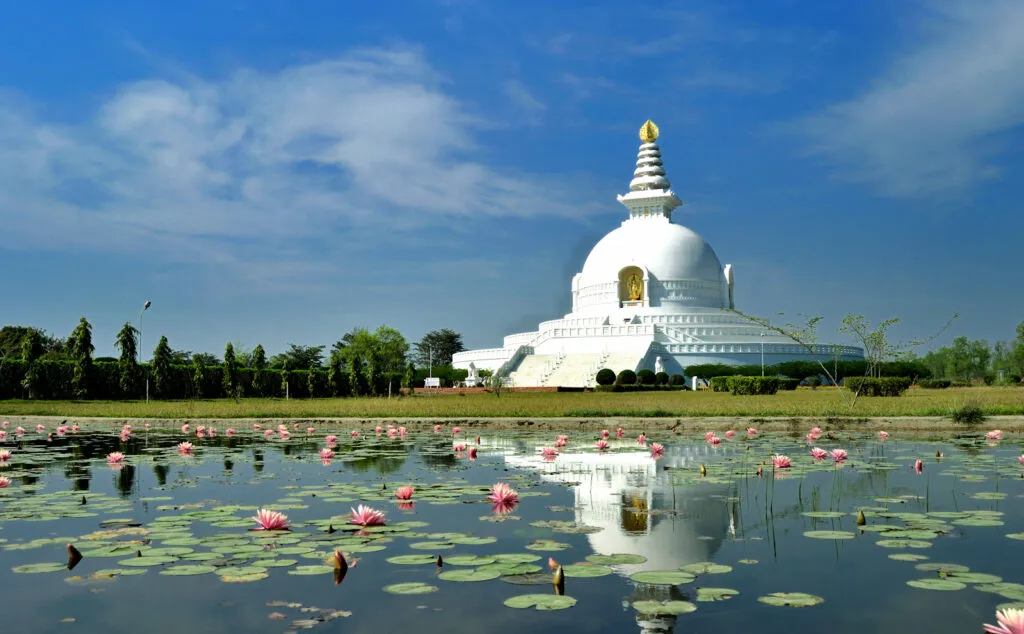
Phewa Lake & World Peace Pagoda
Day 6
Pokhara
Phewa Lake & World Peace Pagoda
Day 7
Pokhara
Phewa Lake & World Peace Pagoda
Popular Nepal Tour Types Packages
Tour operators offer an incredible variety of itineraries. Depending on how much time you have and what you want to experience, here are the most sought-after categories.
1. Cultural and Heritage Tours
For those who want to immerse themselves in history, art, and religion without strenuous physical activity, cultural packages are ideal. These tours heavily feature the Kathmandu Valley, often referred to as a living museum.
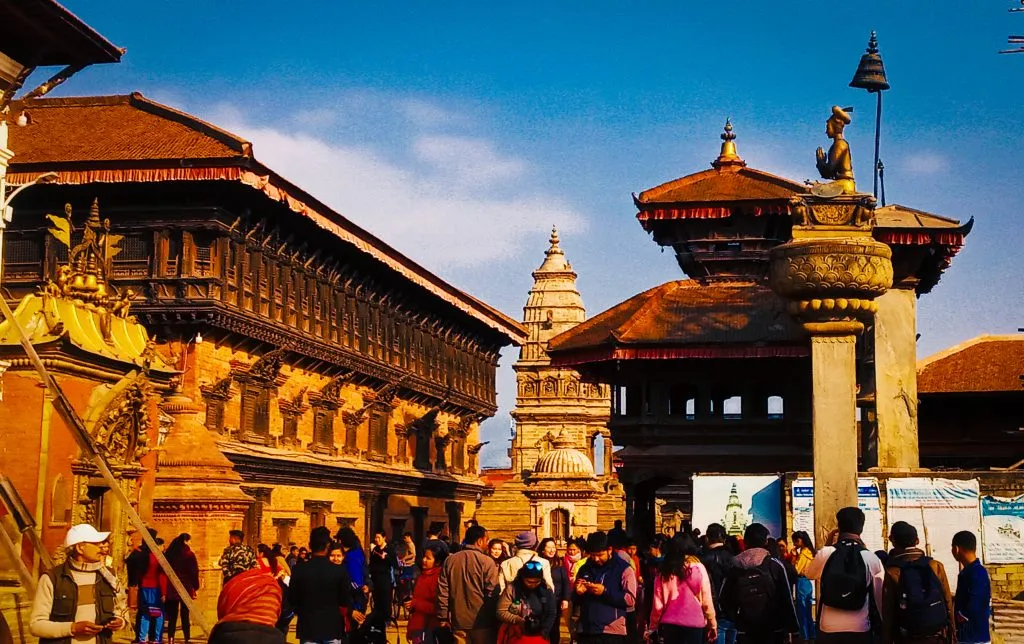
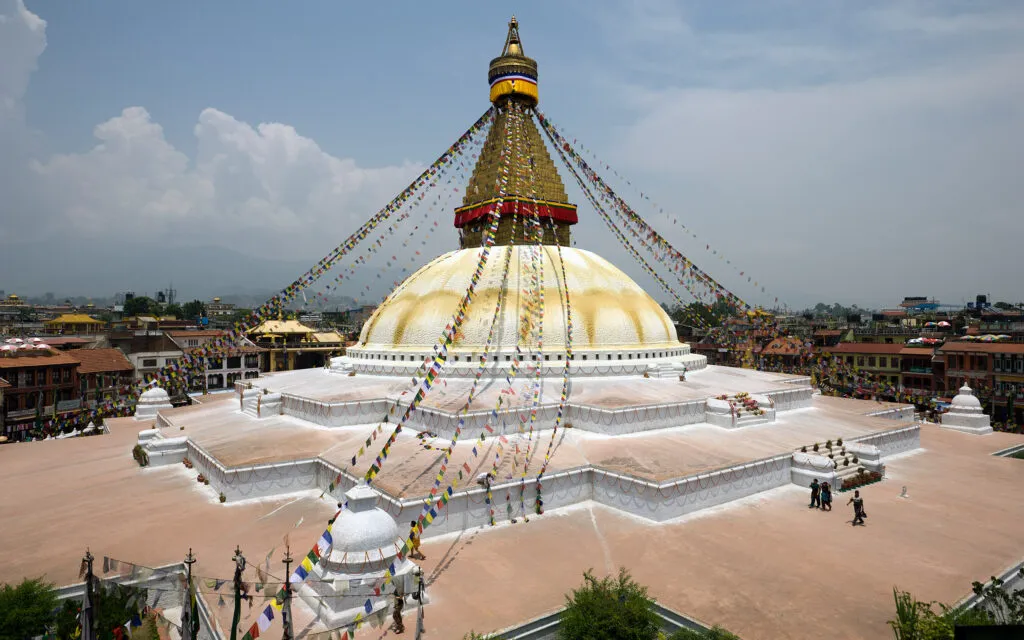
A well-rounded Kathmandu Valley Tour will guide you through UNESCO World Heritage Sites like Swayambhunath (the Monkey Temple), Boudhanath Stupa, and the historic Durbar Squares of Kathmandu, Patan, and Bhaktapur. To dive deeper into the architectural and artistic roots of the valley, a specialized Nepal Heritage Tour is highly recommended.
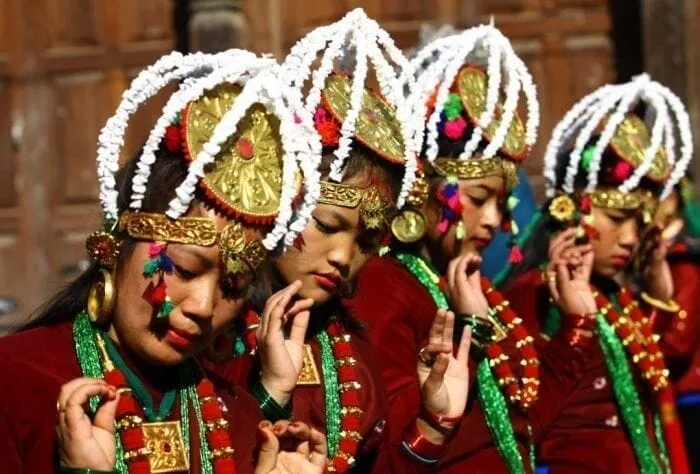
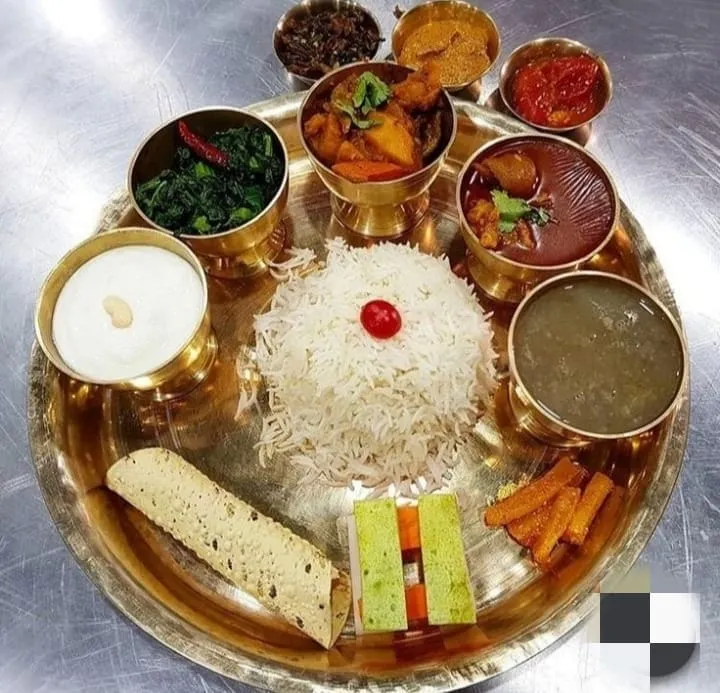
No cultural immersion is complete without tasting the local cuisine. We suggest finding a package that includes a Cultural Dinner in Kathmandu, where you can enjoy authentic Newari feasts accompanied by traditional folk dances.
2. Trekking and Adventure Tours
Nepal is the ultimate playground for adventurers. Trekking packages range from short 3-day hikes to month-long expeditions. If you are looking for an extended adventure, the Nepal Tour Package 16 Days often combines the thrill of a moderate Himalayan trek (like the Annapurna Base Camp or Langtang Valley) with cultural sightseeing and jungle safaris.
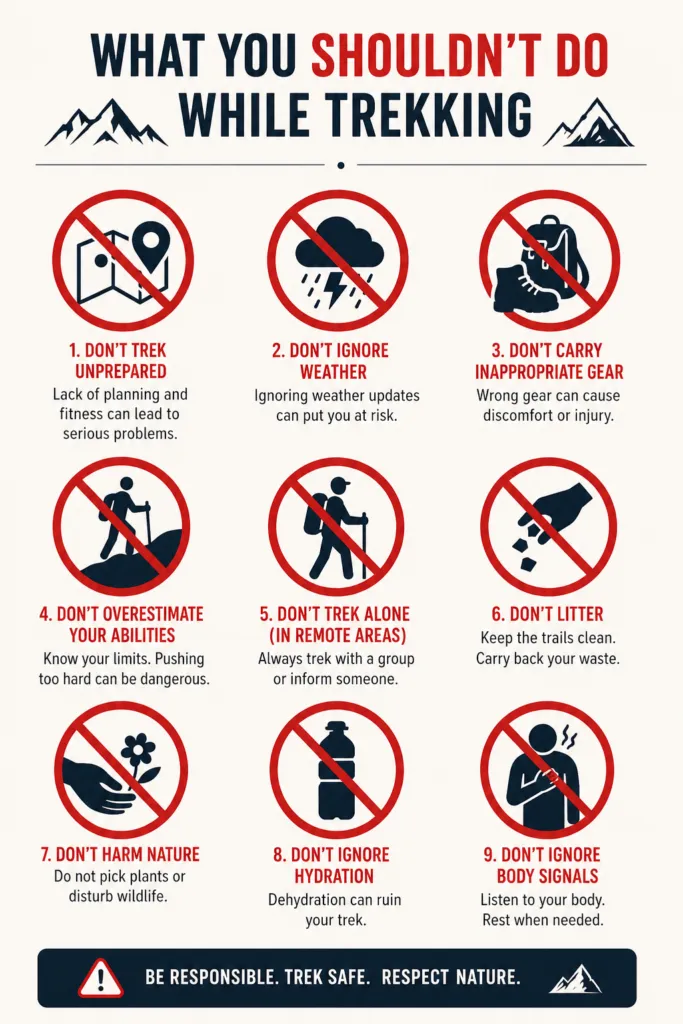
If you plan on hitting the trails, preparation is key. Make sure to review a Complete Trekking Guide in Nepal to understand altitude sickness, packing essentials, and trail etiquette.
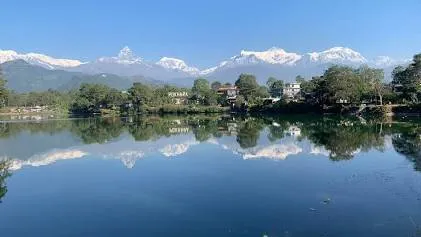
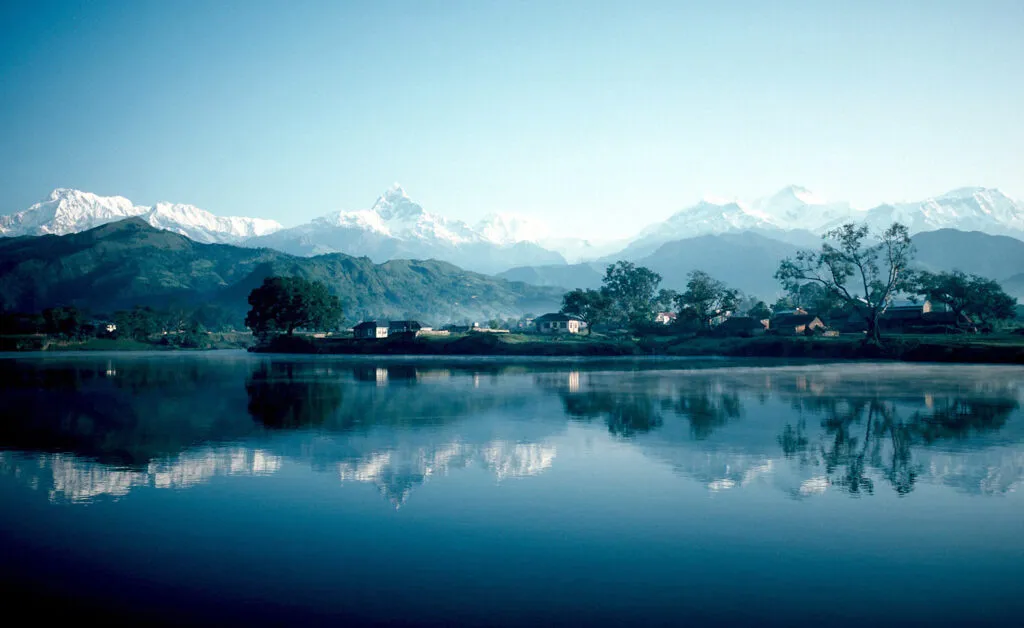
Phewa Lake, Pokhara. Source: Facebook
3. Wildlife and Nature Tours
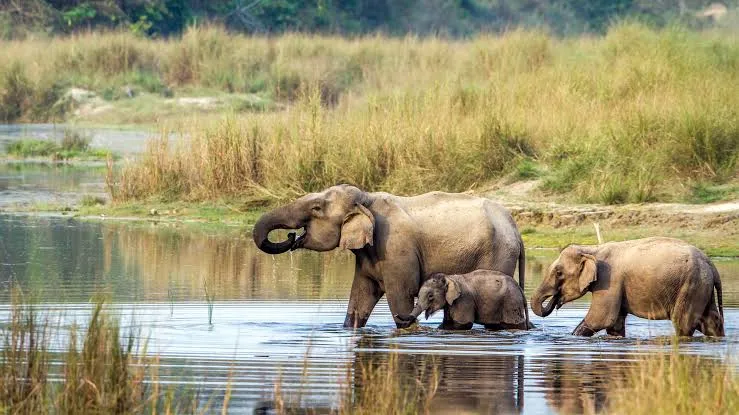
If you want to trade snow-capped mountains for lush, tropical jungles, look for a Nepal tour package that includes Chitwan National Park or Bardia National Park. These lowland regions (the Terai) offer thrilling jeep safaris, canoe rides, and the chance to spot one-horned rhinoceroses, Bengal tigers, and diverse bird species. These destinations are frequently featured in lists of the 10 Best Places to Visit in Nepal Beyond Everest.
Budgeting for Your Nepal Tour Package Trip
Understanding the costs associated with a Nepal tour package will help you plan effectively. Here is a general breakdown of what you can expect to pay in 2026,:
Travel Style
Estimated Cost (Per Person / Day)
What’s Typically Included
Budget
$40 – $70
Tourist bus transport, 2/3-star guesthouses, breakfast, basic guided sightseeing.
Hidden Costs to Watch For: Make sure you clarify whether your package includes entry fees to UNESCO sites, domestic flights (e.g., Kathmandu to Pokhara, which can cost $80-$130 one way), and tips for your guide and driver,
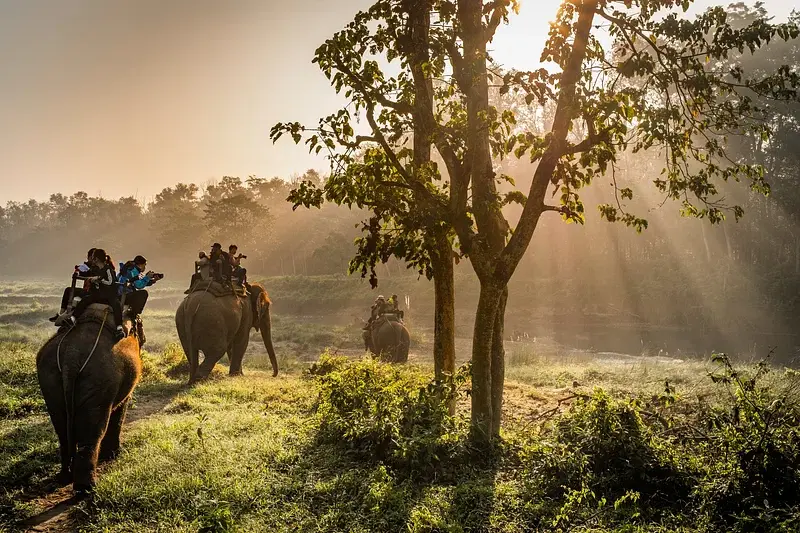
Jungle Safari in Chitwan
Frequently Asked QuestionsAAbout Nepal Tour Packages
1. How many days do I need for a good Nepal tour ?
A minimum of 7 to 8 days is recommended to comfortably see Kathmandu, Pokhara, and Chitwan without feeling rushed. If you want to include a major trek, plan for at least 14 to 16 days. For trending long-form itineraries, check out the Best Nepal Tours & Treks 2026.
2. Are meals included in tour packages ?
Usually, only breakfast is included in city locations (Kathmandu and Pokhara) so you have the flexibility to explore local restaurants. However, if your package includes trekking or a jungle lodge in Chitwan, all three meals are typically covered.
3. Is Nepal safe for solo female travelers ?
Yes, Nepal is widely considered one of the safest destinations in South Asia for solo female travelers. The locals are incredibly hospitable. However, booking a group Nepal tour package can offer an added layer of security and the chance to meet like-minded travelers.
For a deeper dive into general travel questions, visas, and health safety, bookmark our comprehensive Nepal Tour FAQ Guide.
A licensed trekking and tour operator in Nepal, specializing in unforgettable Himalayan adventures across the Everest, Annapurna, Langtang, and Manaslu regions. Led by experienced local guides, we create safe, personalized, and responsible trekking experiences with expert knowledge of Nepal’s mountains, culture, and trail conditions.
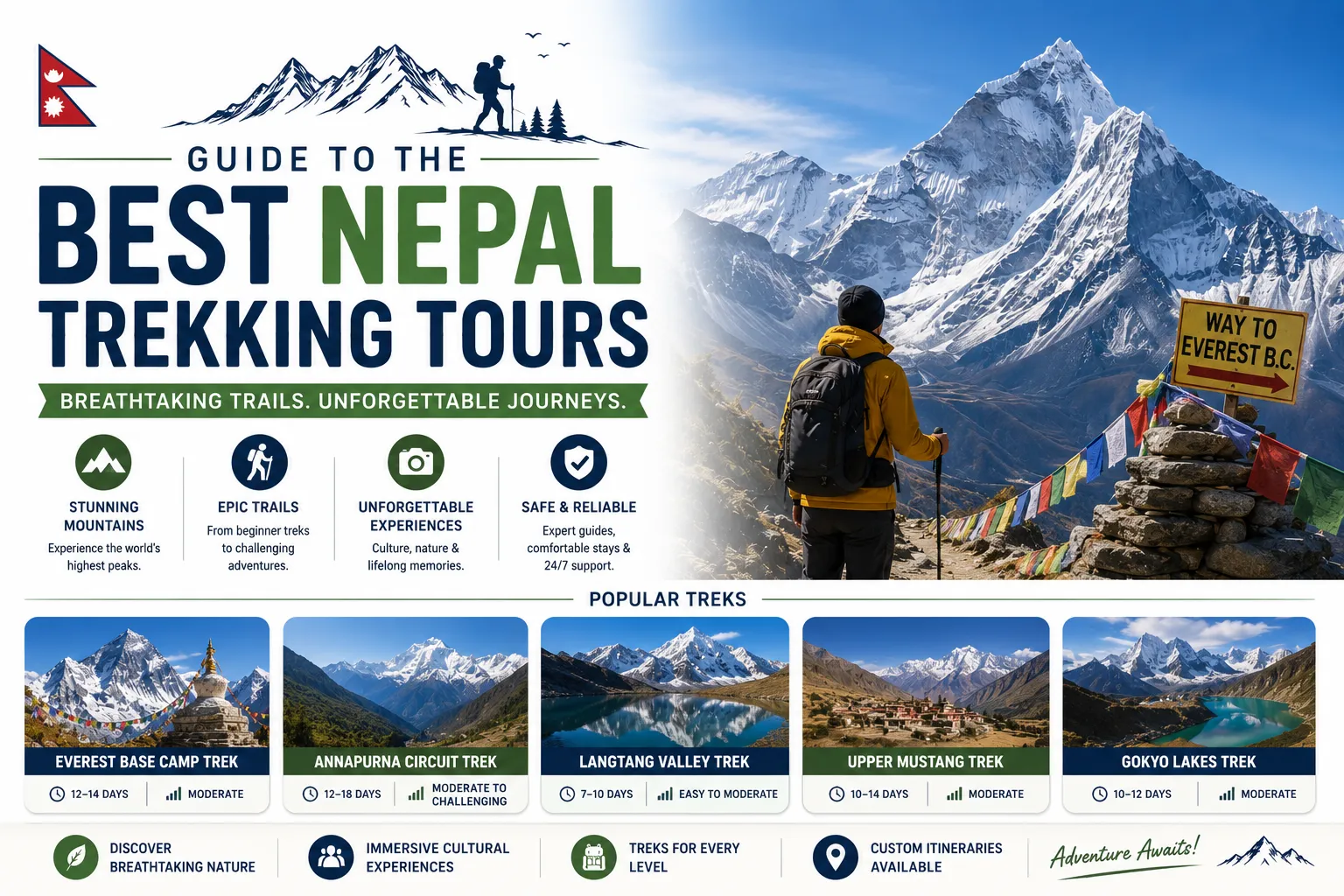
Nepal is globally renowned as the premier destination for high-altitude adventure. Home to eight of the world’s fourteen highest peaks, the Himalayas offer an unparalleled playground for outdoor enthusiasts. Whether you are a novice hiker seeking panoramic views from comfortable teahouses or a seasoned mountaineer ready to tackle high-altitude passes, Nepal trekking tours deliver life-changing experiences.
With recent regulatory changes including mandatory guide requirements for national parks and updated permit costs planning your 2026 Himalayan adventure requires the most current information. In this comprehensive guide, we will break down the most popular trails, rank them by difficulty, and explain exactly what you need to hit the trail.
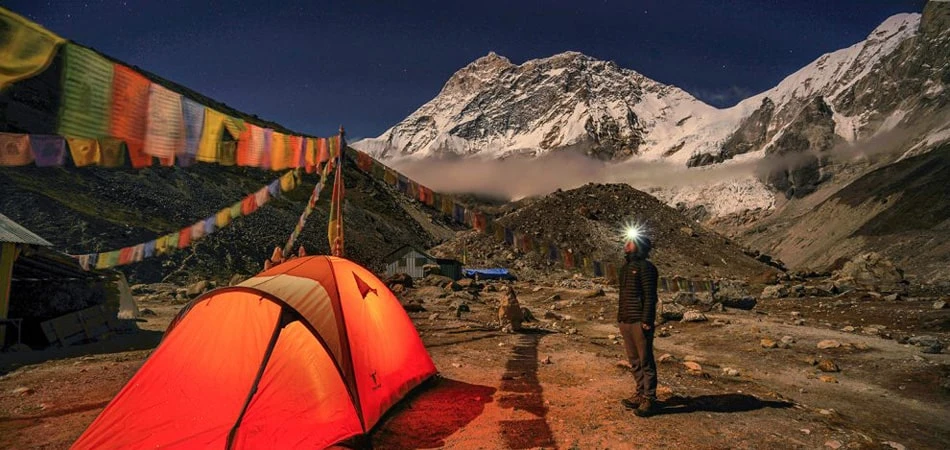
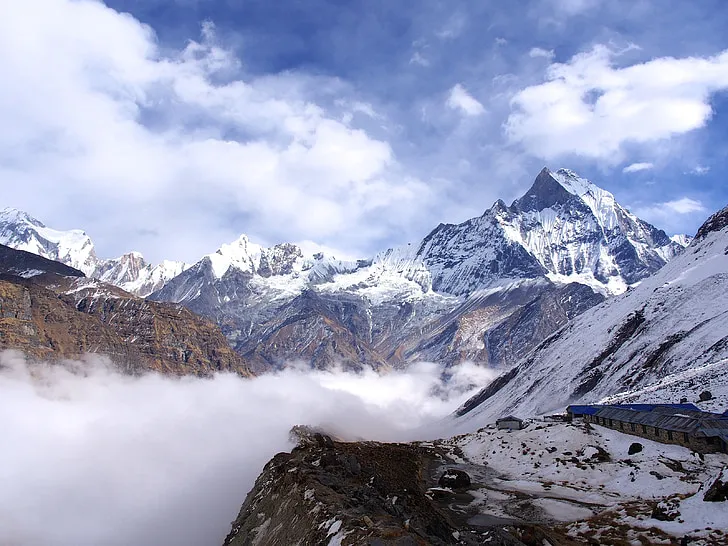
Everest Base Camp
Comparing the Top Nepal Trekking Tours
Not all treks are created equal. The sheer variety of Nepal trekking tours means there is a route for almost every fitness level and timeframe. We categorize the best trails by their difficulty to help you choose wisely.
1. Easy to Moderate Treks: Best for Beginners
If you are new to multi-day hiking or want to avoid extreme altitudes, these shorter treks are perfect. They offer stunning mountain vistas without the grueling physical toll of expedition-level routes.
Ghorepani Poon Hill Trek (4–5 days): The quintessential beginner trek in the Annapurna region. Reaching a maximum altitude of 3,210m, it rewards trekkers with spectacular sunrise views of the Annapurna and Dhaulagiri ranges.
Langtang Valley Trek (7–8 days): Often called the “Valley of Glaciers,” this trek offers a moderate altitude (max 3,870m at Kyanjin Gompa) and a rich immersion into Tamang culture. It’s also highly accessible, starting just a few hours’ drive from Kathmandu.
Mardi Himal Trek (5–7 days): A newer, less-crowded alternative in the Annapurna region that takes you along a dramatic ridge to a high camp at 4,500m, offering up-close views of Mount Machhapuchhre (Fishtail).
2. Strenuous Treks: The Himalayan Classics
These are the legendary routes that draw thousands of trekkers annually. They require excellent cardiovascular fitness, strong stamina, and proper acclimatization.
Everest Base Camp (EBC) Trek (12–14 days): The ultimate bucket-list adventure. You will fly into the thrilling Lukla airport, acclimatize in the Sherpa capital of Namche Bazaar, and eventually stand at the foot of the world’s highest peak at 5,364m.
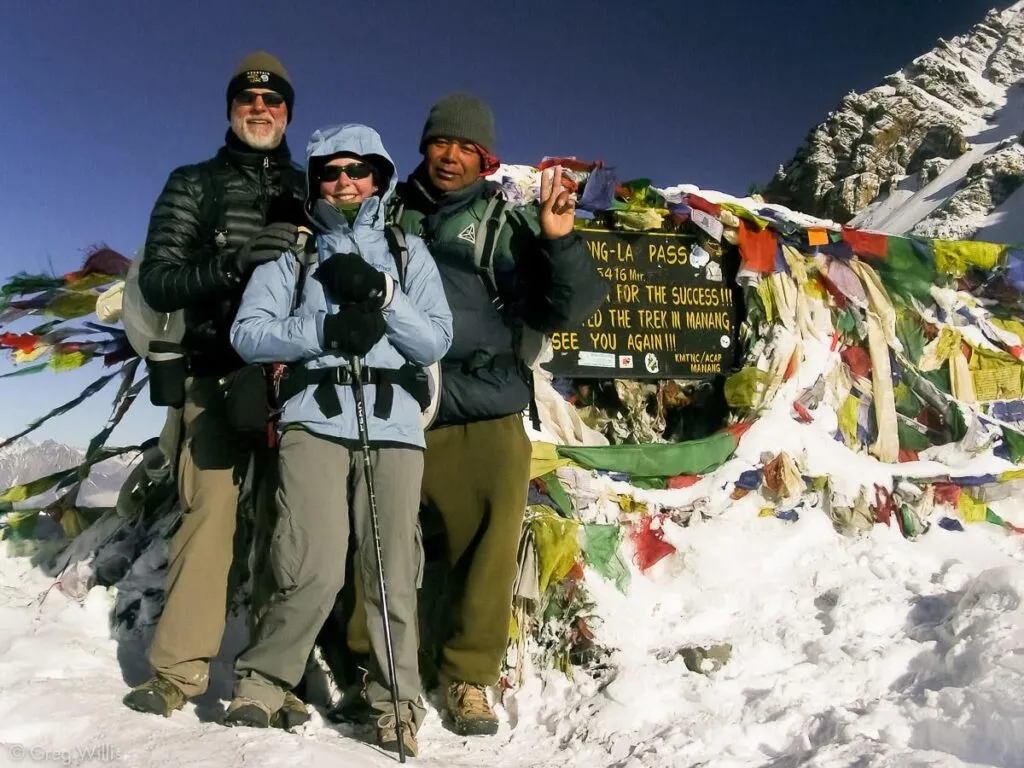
Annapurna Circuit (12–16 days): A diverse journey that circles the Annapurna Massif. You will transition from subtropical forests to arid, Tibetan-like landscapes before crossing the formidable Thorong La Pass at 5,416m.
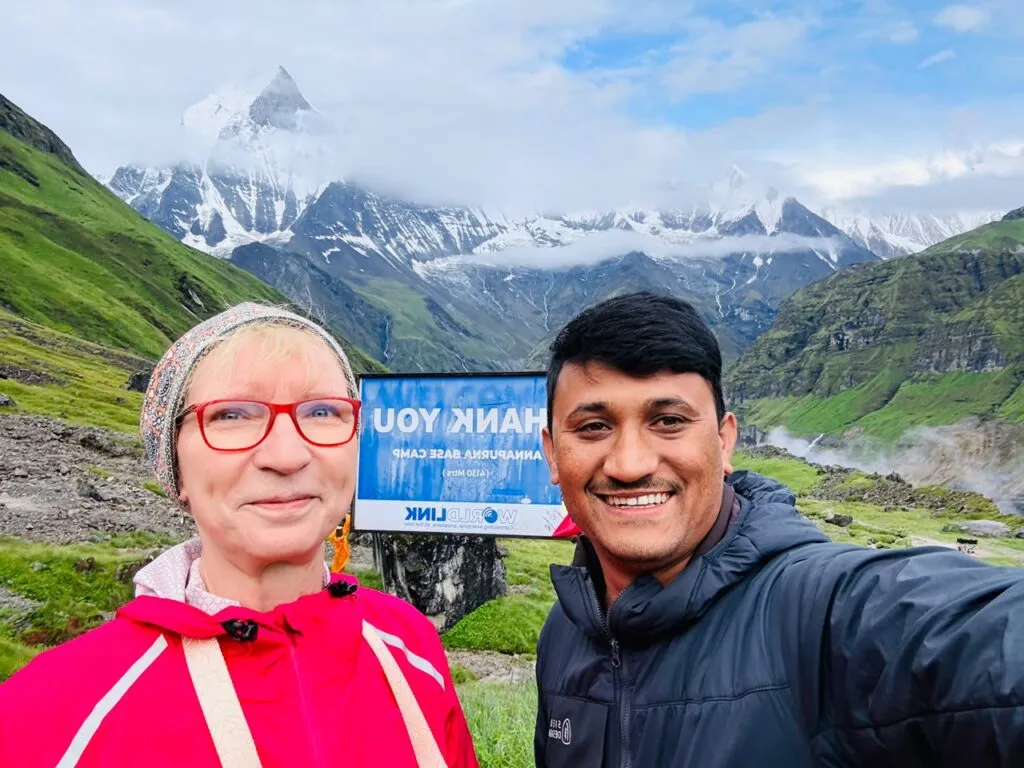
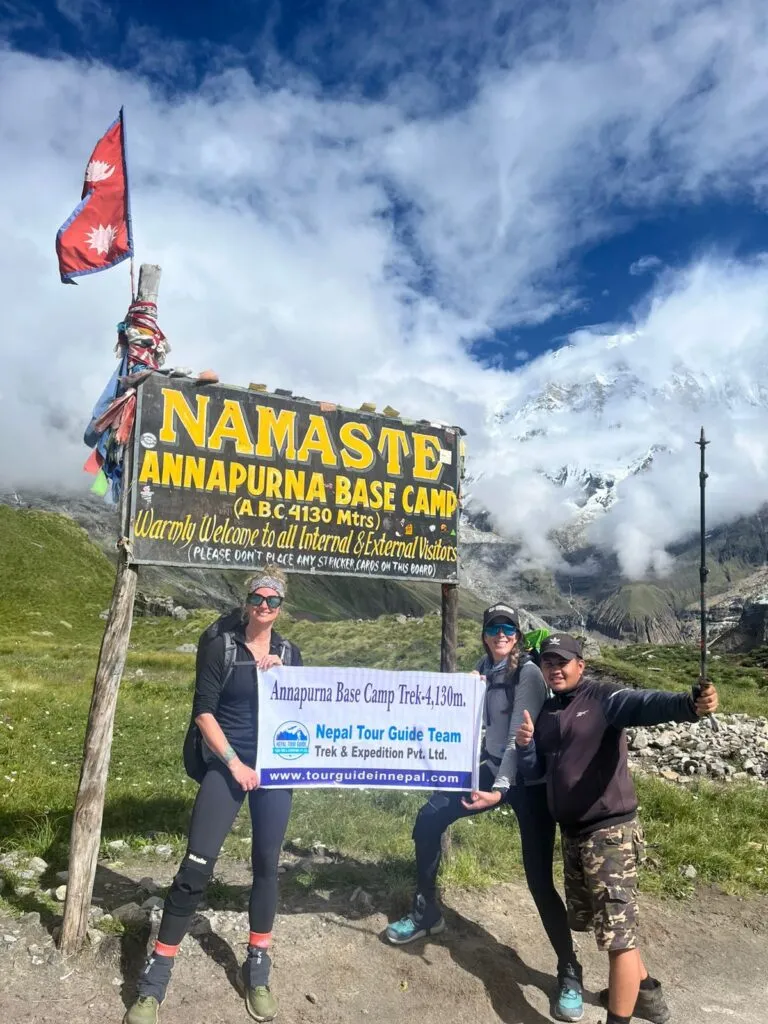
Annapurna Base Camp (ABC) Trek (7–11 days):Trek directly into the heart of the Annapurna Sanctuary, surrounded by a 360-degree amphitheater of towering peaks.
Tour guide in Nepal
3. Most Challenging Treks: Remote and Restricted
For those seeking solitude and raw wilderness, these restricted area treks offer an off-the-beaten-path experience.
Manaslu Circuit (14–16 days): Rapidly gaining popularity as a less-crowded alternative to the Annapurna Circuit, this route circles the eighth-highest mountain in the world and crosses the challenging Larkya La Pass (5,106m).
Upper Mustang: Trek through the rain shadow of the Himalayas into a restricted, high-altitude desert that preserves ancient Tibetan Buddhist culture.
2026 Trekking Rules and Permits: What You Need to Know
The regulatory landscape for Nepal trekking tours has seen significant changes recently to enhance trekker safety and environmental sustainability.
The “No Solo Trekking” Rule
As of April 2023, the Nepal Tourism Board strictly enforces a rule requiring all foreign trekkers in national parks and conservation areas to hire a government-licensed guide.Fully independent solo trekking is no longer permitted on popular routes like the Annapurna Circuit or Everest Base Camp.You must book your guide through a registered trekking agency.
Essential Permits and 2026 Costs
The TIMS (Trekkers’ Information Management System) card is no longer used universally; permit structures now depend heavily on the specific region. Here is a quick reference for standard 2026 permit costs:
Annapurna Region:Requires the Annapurna Conservation Area Permit (ACAP) and a regional TIMS card, totaling approximately $38 USD (NPR 5,000).
Everest Region:Requires the Sagarmatha National Park entry permit and the Khumbu Pasang Lhamu Rural Municipality permit, totaling roughly $45 USD (NPR 6,000).
Restricted Areas (e.g., Manaslu, Upper Mustang): These require special Restricted Area Permits (RAP) which are significantly more expensive. For instance, Manaslu costs $100 for the first 7 days during peak season, while Upper Mustang costs $50 per day.
One of the unique aspects of Nepal trekking tours is the extensive network of “teahouses.” These are basic mountain lodges that provide accommodation and hot meals along the trail, eliminating the need to carry heavy camping gear and food.
A typical teahouse offers twin-bed rooms with shared bathrooms. While amenities become more basic as you ascend, the hospitality remains warm. Meals usually consist of hearty portions of Dal Bhat (lentil soup and rice), noodles, and hot tea—essential fuel for long hiking days.
Traditional Himalayan Teahouse
To round out your trip after weeks on the trail, consider transitioning back to civilization with a Nepal Heritage Tour or relaxing at a Cultural Dinner in Kathmandu to celebrate your successful trek.
FAQs About Nepal Trekking Tours
1. Do I need a porter for my trek?
While a licensed guide is legally required, a porter is optional but highly recommended. A porter carries the bulk of your gear (usually up to 20kg shared between two trekkers), allowing you to walk with just a light daypack. This significantly conserves your energy at high altitudes.
2. What happens if I get altitude sickness?
A: Altitude sickness (AMS) can affect anyone, regardless of fitness level. Reputable Nepal trekking tours build mandatory acclimatization days into their itineraries. Guides are trained to monitor symptoms. If you experience severe symptoms, the protocol is to descend immediately. Travel insurance that covers high-altitude helicopter evacuation is mandatory.
A licensed trekking and tour operator in Nepal, specializing in unforgettable Himalayan adventures across the Everest, Annapurna, Langtang, and Manaslu regions. Led by experienced local guides, we create safe, personalized, and responsible trekking experiences with expert knowledge of Nepal’s mountains, culture, and trail conditions.
When most people think of Nepal, their minds immediately go to towering, snow-capped peaks. However, for those willing to look past the high-altitude trails, Nepal reveals itself as a living museum of ancient art, deep spirituality, and vibrant ethnic diversity. A dedicated Nepal cultural tour offers an immersive journey through medieval city-states, sacred pilgrimage sites, and communities that have maintained their unique traditions for centuries.
Whether you have a few days to explore the Kathmandu Valley or two weeks to travel across the country, a cultural itinerary provides a profound connection to the heart of the Himalayas. In this guide, we will break down the must-see heritage sites, how to time your trip around spectacular 2026 festivals, and the best ways to immerse yourself in local life.
Kathmandu Durbar Square Newar Architecture.
The Heart of the Journey: Kathmandu Valley Heritage
The cornerstone of any Nepal cultural tour is the Kathmandu Valley. Historically divided into three separate, fiercely competitive kingdoms, the valley is home to seven of Nepal’s ten UNESCO World Heritage Sites.
The Three Medieval Durbar Squares
Each of the valley’s three main cities boasts a Durbar (Royal) Square, featuring breathtaking examples of Newar craftsmanship, brick-paved courtyards, and pagoda-style temples.
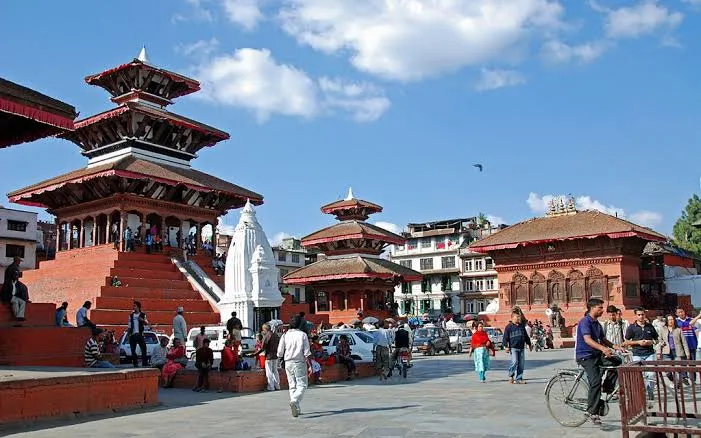
Kathmandu Durbar Square (Basantapur): The historic heart of the capital. It is home to the Kumari Ghar, the residence of Nepal’s living goddess (the Kumari), a pre-pubescent girl venerated as the incarnation of the Hindu goddess Taleju.
Patan Durbar Square (Lalitpur): Known as the “City of Fine Arts.” It is famous for its intricate metalwork, the spectacular stone Krishna Mandir temple, and the outstanding Patan Museum, which houses a brilliant collection of bronze statues.
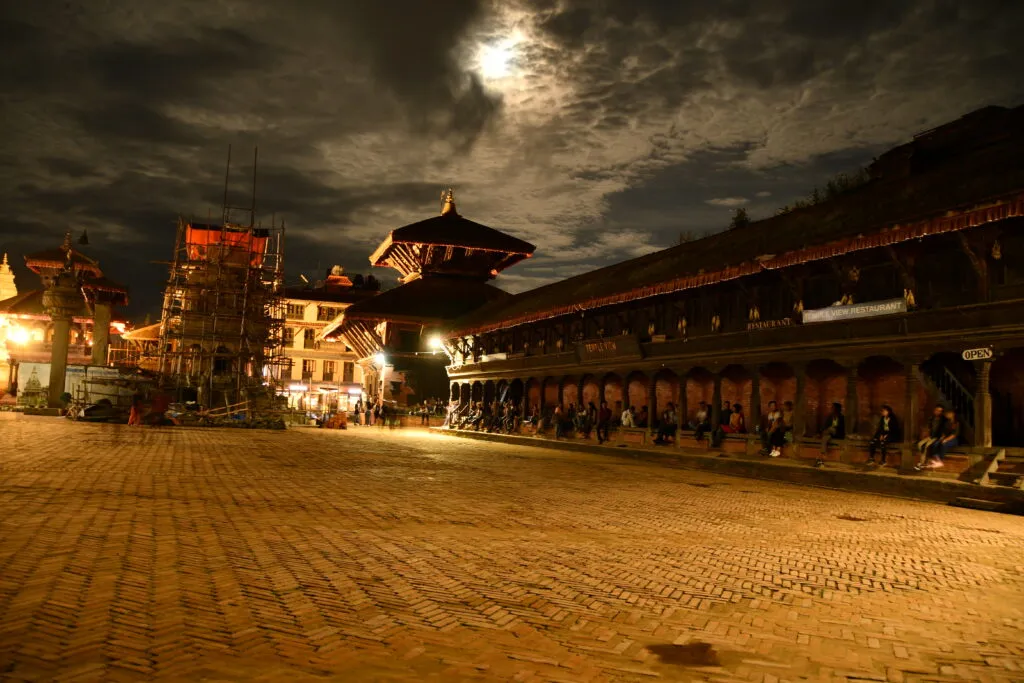
Bhaktapur Durbar Square: The most preserved of the three cities. Because it is largely traffic-free, walking through Bhaktapur feels like stepping back in time. It is famous for the 55-Window Palace, the towering Nyatapola Temple, and its vibrant pottery culture.
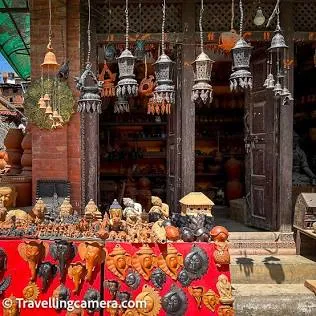
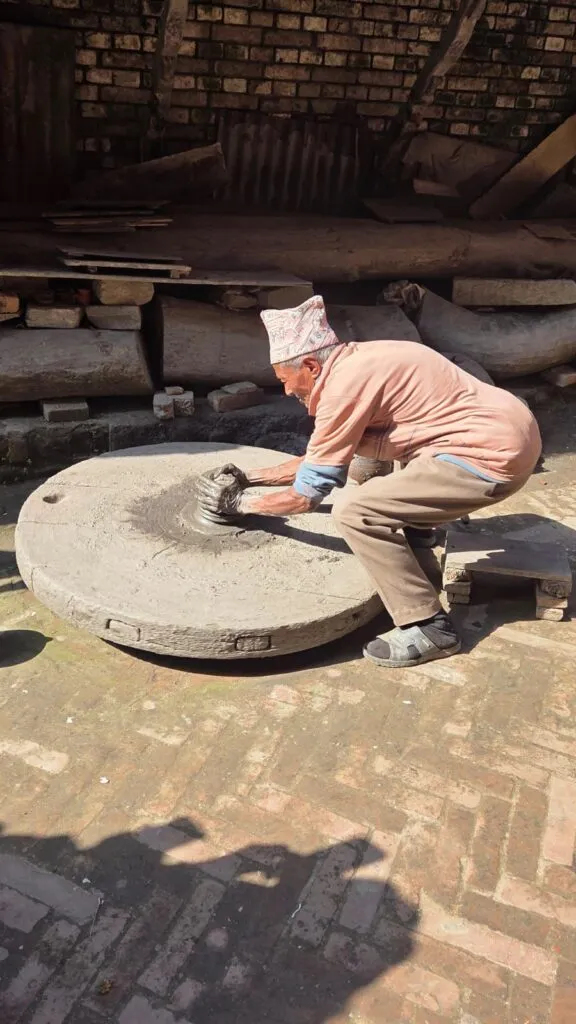
Pottery Square in Bhaktapur. Source: Travellingcamera
To ensure you don’t miss the historical context and hidden alleys of these cities, booking a dedicated Kathmandu Valley Tour or a specialized Nepal Heritage Tour with a local guide is highly recommended.
The Sacred Stupas and Temples
A true Nepal cultural tour bridges both Hinduism and Buddhism, religions that coexist harmoniously here.
Swayambhunath (The Monkey Temple): Perched on a hill overlooking the city, this ancient Buddhist stupa is one of the most sacred sites in Nepal and offers sweeping panoramic views.
Boudhanath Stupa: The spiritual center for Nepal’s Tibetan Buddhist community. Walking clockwise around the massive white dome alongside monks spinning prayer wheels is a mesmerizing experience.
Pashupatinath Temple: The holiest Hindu temple in Nepal, dedicated to Lord Shiva, located on the banks of the Bagmati River. Here, visitors can respectfully observe open-air cremation ceremonies on the river ghats.
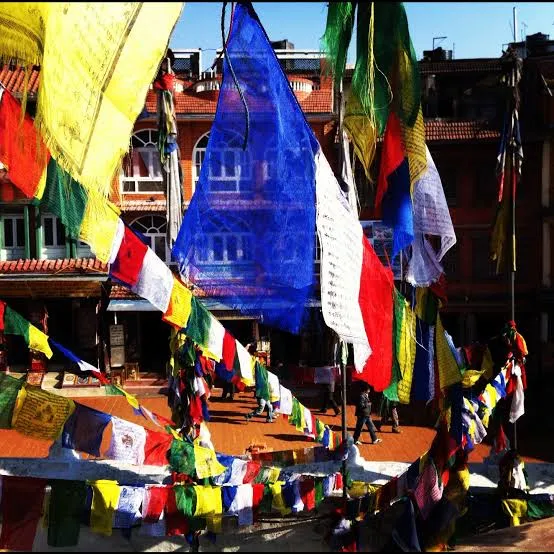
Boudhanath Stupa Prayer Flags. Source: Style Hi Club
Expanding Your Itinerary: Culture Beyond the Valley
While the Kathmandu Valley is dense with heritage, traveling outside the capital reveals the diverse ethnic tapestry of the country. A comprehensive Nepal Tour Package 16 Days will often incorporate these regional cultural hubs:
Lumbini: The Birthplace of Buddha
Located in the southern Terai plains, Lumbini is a profound pilgrimage site for Buddhists worldwide. The sacred Maya Devi Temple marks the exact spot where Siddhartha Gautama was born over 2,600 years ago. The surrounding area has been developed into an international monastic zone, featuring beautiful monasteries built by countries from all over the world, each in their unique architectural style.
Chitwan: Tharu Village Immersion
Chitwan National Park is famous for wildlife, but it is also the homeland of the indigenous Tharu people. They have maintained distinct traditions, including unique mud-and-reed architecture, vibrant stick dances, and a deep connection to the jungle. Spending a night in a village homestay here offers genuine cultural immersion.
Bandipur and Tansen: Preserved Hill Towns
For a slower pace, visit the meticulously preserved Newar trading town of Bandipur or the historic Magar town of Tansen (Palpa). These towns are free of heavy tourism and offer authentic glimpses into rural Nepalese daily life, making them some of the 10 Best Places to Visit in Nepal Beyond Everest.
Timing Your Tour: The 2026 Festival Calendar
Nepal celebrates over 200 festivals annually. Timing your Nepal cultural tour to coincide with a major festival elevates the experience from simple sightseeing to active participation. Here are key dates to look out for in 2026 [3]:
Festival
2026 Dates
Location/Focus
What to Expect
Holi
March 2 & 3
Nationwide
The vibrant festival of colors; streets are filled with music, dancing, and colored powder.
Bisket Jatra
Mid-April
Bhaktapur
Nepali New Year. Features massive chariot tug-of-wars and the raising of a giant wooden pole.
Indra Jatra (Yenya)
Sept 25 – Oct 2
Kathmandu Durbar Square
Week-long street festival featuring masked dances and the chariot procession of the living goddess Kumari.
Dashain
Mid-October (Main day: Oct 20)
Nationwide
Nepal’s grandest Hindu festival celebrating the victory of good over evil. Massive family gatherings and feasts.
Tihar (Festival of Lights)
Mid-November
Nationwide
A stunning five-day festival honoring animals (crows, dogs, cows) and Laxmi, the goddess of wealth. Cities are illuminated with oil lamps and marigolds.
Pro Tip: During major festivals like Dashain and Tihar, many local businesses close, and domestic transport can be heavily booked. Plan your logistics well in advance. For more tips on navigating peak seasons, refer to our Nepal Tour FAQ Guide.
The Culmination: Food and Hospitality
No cultural exploration is complete without delving into the local gastronomy. Nepalese food is a rich blend of Tibetan and Indian influences, heavily utilizing lentils, rice, curries, and momos (dumplings).
To truly celebrate the end of a successful itinerary—whether you’ve spent the week temple-hopping or have just returned from the trails described in our Complete Trekking Guide in Nepal—book a Cultural Dinner in Kathmandu. These evenings typically feature a multi-course authentic Newari feast or traditional Dal Bhat, accompanied by classical music and folk dances representing the various ethnic groups of Nepal.
FAQs About Nepal Cultural Tours
1. How many days do I need for a good cultural tour?
A 3-day itinerary is sufficient to see the highlights of the Kathmandu Valley. However, for a comprehensive Nepal cultural tour that includes Lumbini, Pokhara, and Chitwan, we recommend a 7 to 10-day package. You can find excellent itinerary ideas in our Best Nepal Tours & Treks 2026 post.
2. Is it okay to take photos inside temples?
Rules vary by site. While photography is generally allowed in the courtyards of the Durbar Squares and around stupas, taking photos inside the main sanctums of Hindu temples or Buddhist monasteries is usually strictly prohibited. Always look for signage or ask your guide.
3. What should I wear on a cultural tour?
Nepalese culture is conservative. When visiting religious sites or rural villages, both men and women should wear clothing that covers their shoulders and knees. Slip-on shoes are highly recommended, as you will need to remove them frequently before entering temples and monasteries.
4. Can I participate in local festivals as a tourist?
Absolutely! Nepalese people are incredibly welcoming and often encourage tourists to join in the celebrations, especially during interactive festivals like Holi. Just be respectful of boundaries during solemn religious rituals.
Content Reviewed By
Nepal Tour Guide Team Trek & Expedition Pvt. Ltd.
A licensed trekking and tour operator in Nepal, specializing in unforgettable Himalayan adventures across the Everest, Annapurna, Langtang, and Manaslu regions. Led by experienced local guides, we create safe, personalized, and responsible trekking experiences with expert knowledge of Nepal’s mountains, culture, and trail conditions.
The Complete Guide: When is the Best Time to Visit Nepal?
Deciding on the best time to visit Nepal is the single most important factor in planning your trip. Nepal’s dramatic topographyranging from the lowland jungles of the Terai (at just 60 meters above sea level) to the towering peak of Mount Everest (8,848 meters)—means the country experiences wildly varying climates simultaneously.
Whether your goal is to conquer a high-altitude pass, wander through ancient temples on a Kathmandu Valley Tour, or spot Bengal tigers on a jungle safari, timing is everything. In this guide, we break down Nepal’s four distinct seasons, offer a month-by-month weather analysis, and answer the most frequently asked questions about the Himalayan climate
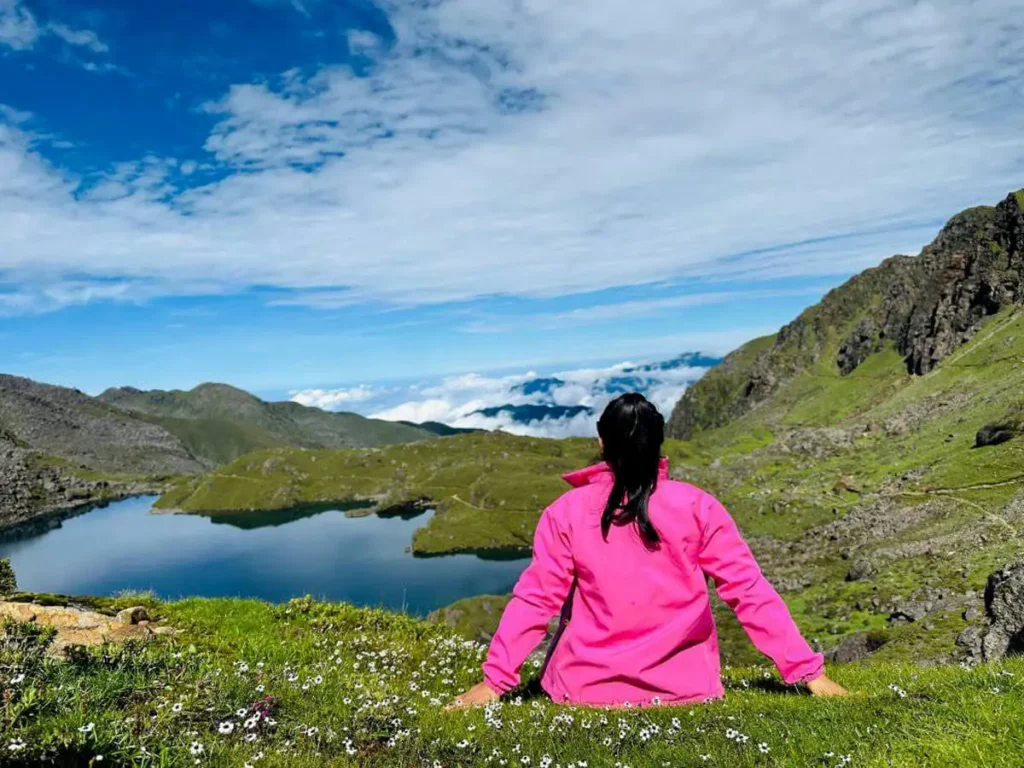
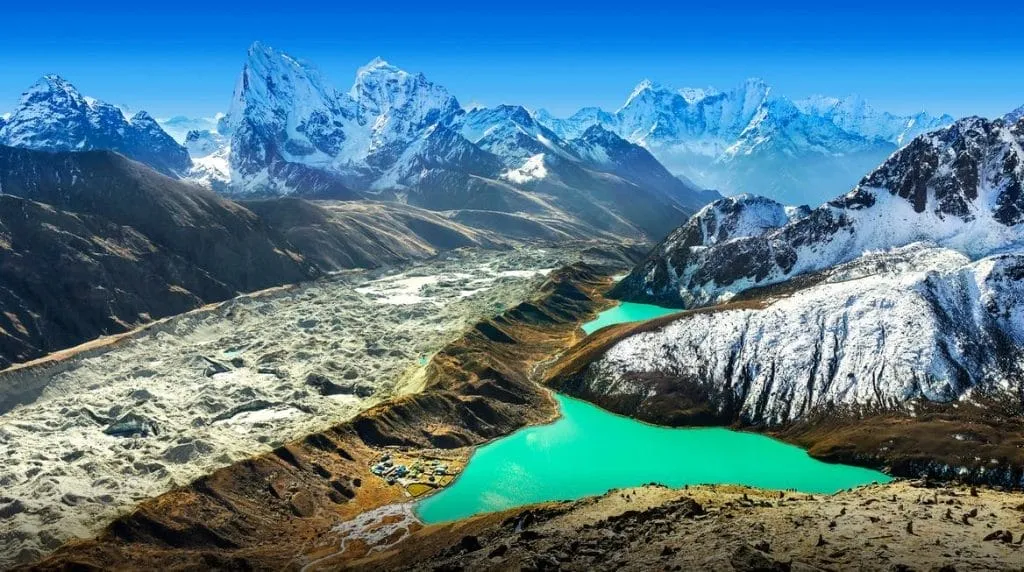
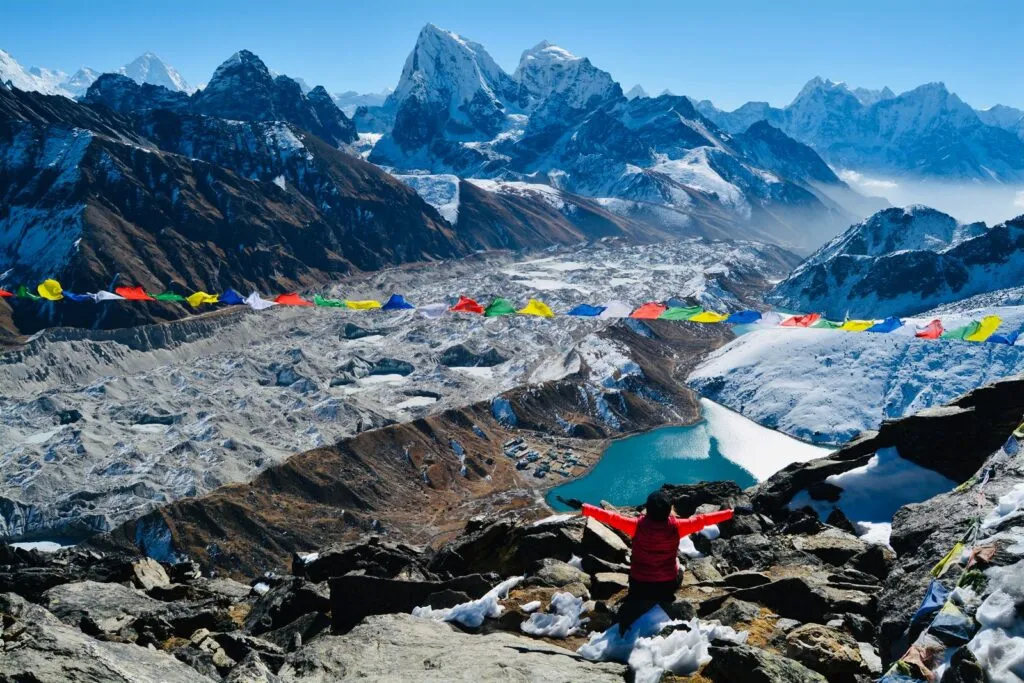
Gosaikunda
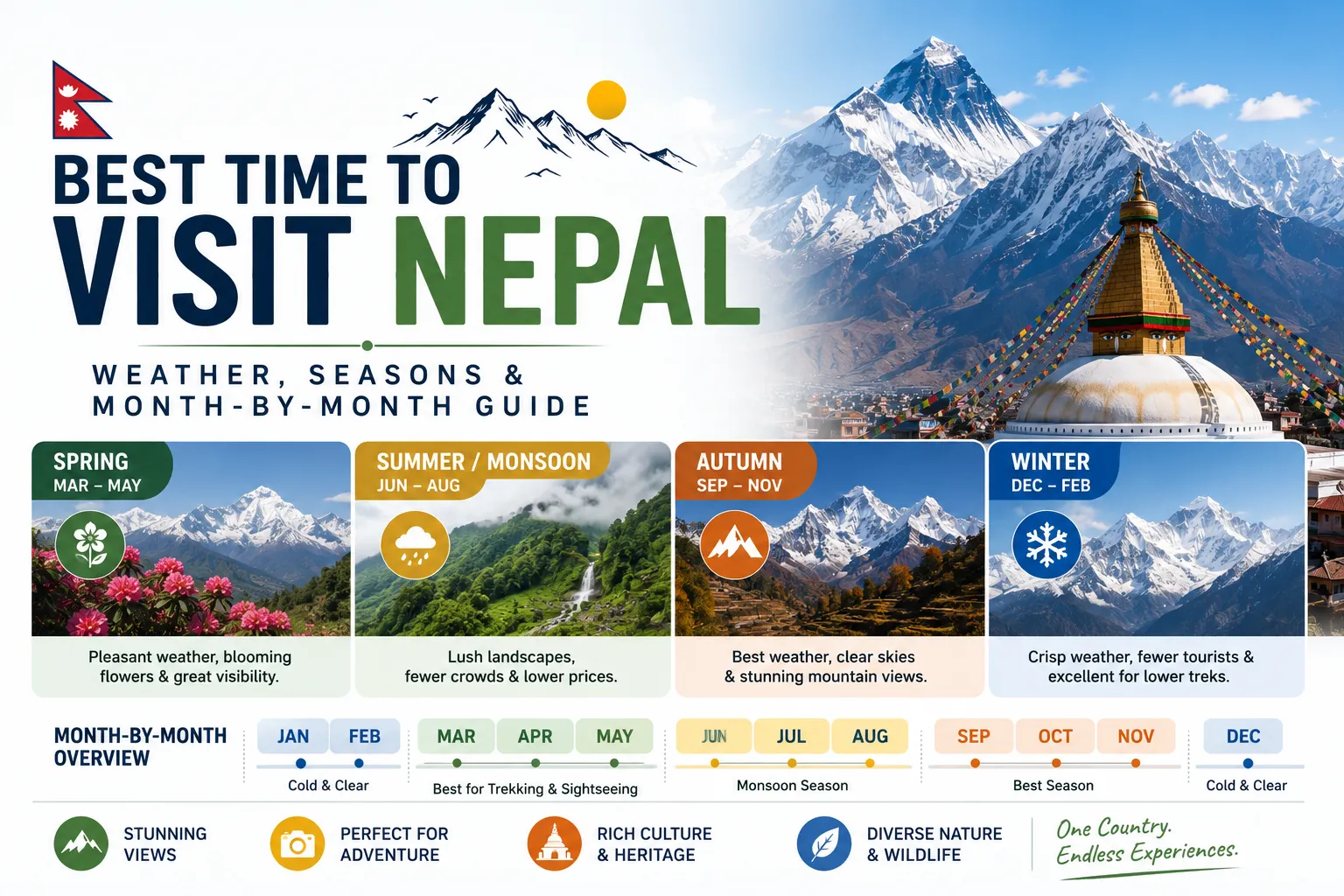
The Four Seasons of Nepal
Generally speaking, autumn is universally considered the best time to visit Nepal, but every season has its own unique charm and specific advantages.
1. Autumn (September to November): The Peak Season
Autumn is the undisputed champion of Nepalese travel seasons. The monsoon rains have washed the dust from the air, leaving behind crystal-clear skies, spectacular mountain visibility, and lush, green landscapes.
Weather: Daytime temperatures are pleasantly warm (15°C to 25°C in Kathmandu and lower trekking elevations), while nights are cool but manageable.
Best For: This is the absolute best time to visit Nepal for high-altitude trekking, such as the routes detailed in our Complete Trekking Guide in Nepal. It is also the season of Nepal’s biggest festivals, Dashain and Tihar, making it ideal for a Nepal Heritage Tour.
The Catch: Because it is peak season, trails are crowded, and accommodation and flights must be booked well in advance. Prices are at their highest.
2. Spring (March to May): The Season of Colors
Spring is the second most popular time to visit. As the winter cold recedes, the temperatures steadily climb, and the days grow longer.
Weather: Warm and sunny, though a hazy dust can sometimes obscure the mountain views at lower elevations. May can get quite hot in the lowlands (up to 35°C in Chitwan).
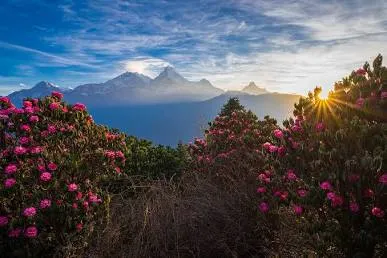
Best For: Spring is famous for the blooming of rhododendron forests Nepal’s national flower which paint the hillsides in vibrant reds, pinks, and whites. It is an excellent time for trekking and wildlife viewing, as animals gather around shrinking water sources in the national parks.
The Catch: The haze can slightly reduce mountain visibility compared to autumn, and late May brings pre-monsoon showers.
Spring rhododendrons in the Himalayas. Source: The Kathmandu Post
3. Winter (December to February): The Quiet Chill
Winter in Nepal brings cold temperatures, especially at night and at high altitudes, but it also offers a peaceful escape from the crowds.
Weather: The skies are typically crystal clear, offering brilliant mountain views, but temperatures drop significantly. Kathmandu nights can hover near freezing (0°C to 5°C), while high trekking routes experience extreme cold and heavy snowfall.
Best For: Winter is the best time to visit Nepal if you prefer cultural sightseeing in the Kathmandu Valley, visiting Lumbini, or exploring the lowland jungles of Chitwan National Park where daytime temperatures remain a pleasant 20°C to 24°C.
The Catch: High-altitude trekking (like Everest Base Camp or the Annapurna Circuit) is dangerous and often impossible due to snowed-in passes.
4. Summer / Monsoon (June to August): The Lush Greenery
The summer months bring the monsoon rains to the Indian subcontinent. It is generally considered the most challenging time for standard tourism .
Weather: Hot, humid, and very wet. Rainfall peaks in July, often causing landslides and muddy trails.
Best For: The monsoon is a fantastic time for botanists, agricultural enthusiasts, and photographers looking to capture the vibrant green valleys. It is also the best time to visit Nepal if you want to trek in the “rain shadow” regions of the Himalayas, such as Upper Mustang or the Dolpo region, which remain dry and accessible.
The Catch: Mountain views are frequently obscured by heavy clouds, and travel delays due to weather are common.
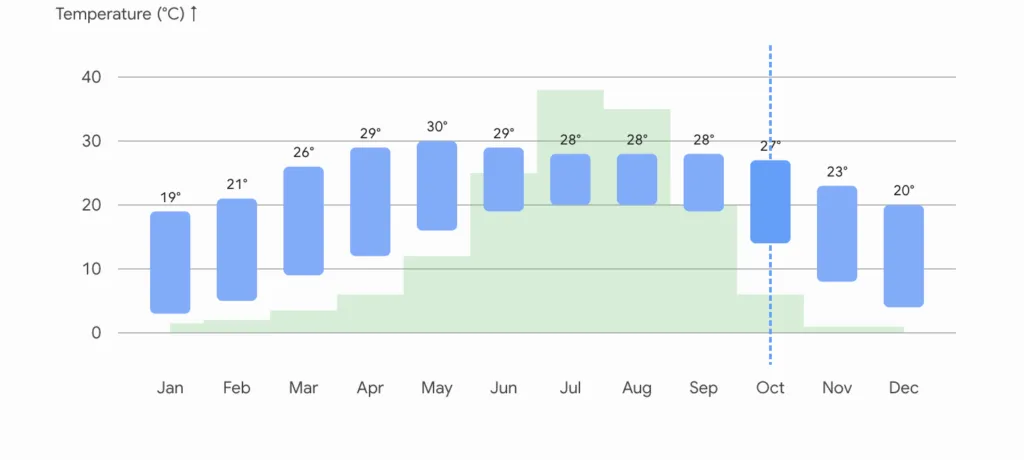
Nepal Climate Season Explorer
Nepal Climate Season Explorer
Month-by-Month Snapshot: Choosing the Best Time to Visit Nepal
If you have specific dates in mind, here is a quick look at what to expect each month:
January & February: Cold but clear. Perfect for a Nepal Tour Package 16 Days focused on low-altitude culture and wildlife.
March & April: Excellent trekking weather. Rhododendrons are blooming, and the Holi festival takes place in March.
May: Getting hot and hazy. Good for high-altitude expeditions (this is Everest summit season) before the rains hit.
June, July & August: Monsoon season. Expect heavy rain, leeches on lower trails, and lush green scenery. Best avoided unless visiting rain-shadow areas.
September: The rains begin to taper off. Mid-to-late September offers great weather with fewer crowds than October.
October & November: The absolute best time to visit Nepal. Perfect weather, clear skies, and major festivals. Book everything in advance.
December: The cold begins to set in, but the skies remain clear. Great for lower-altitude trekking and enjoying a cozy Cultural Dinner in Kathmandu by the fire.
If you wondering for the customization in trip, then don’t worry here it is for you to customized trip plan. You can customized your trekking, short tour, cultural dinner or any kind of trip you can customized as per your budget and plan. We will support you through this process from permit access to the other documents.
Everest Base Camp
FAQs About the Best Time to Visit Nepal
1. Is it safe to fly during the monsoon season?
Domestic flights in Nepal operate strictly on visual flight rules (VFR). During the monsoon (June–August), flight delays and cancellations are very common due to poor visibility. If traveling then, always build buffer days into your itinerary.
2. When is the best time to visit Nepal for a budget traveler?
If you want to avoid the premium prices of autumn and spring, the shoulder seasons (early December or late February) offer a great compromise between lower costs and decent weather. Summer (monsoon) is the cheapest, but your activities will be severely limited [3, 7].
3. Can I see Mount Everest without trekking?
Yes, If you visit during the clear months of Autumn or Winter, you can book a 1-hour scenic mountain flight from Kathmandu that takes you right alongside the Everest range. This is one of the 10 Best Places to Visit in Nepal Beyond Everest for non-trekkers.
4. Where can I find more specific travel advice for 2026?
A licensed trekking and tour operator in Nepal, specializing in unforgettable Himalayan adventures across the Everest, Annapurna, Langtang, and Manaslu regions. Led by experienced local guides, we create safe, personalized, and responsible trekking experiences with expert knowledge of Nepal’s mountains, culture, and trail conditions.
The Ultimate Bucket List: 2026 Guide to the Best Things to Do in Nepal
When travelers think of Nepal, they almost always picture Mount Everest and the rugged Himalayan trails. However, confining Nepal simply to its mountains does this vibrant country a massive disservice. From adrenaline-pumping extreme sports over deep river gorges to peaceful encounters with exotic wildlife in tropical lowlands, the array of things to do in Nepal is staggering.
Whether you are seeking spiritual enlightenment, high-altitude adventure, or a family-friendly holiday, the country offers experiences that cater to every energy level. In this guide, we break down the top activities for 2026, categorized by adventure, wildlife, and culture.
Travel adeventure – sources Tour Guide in Nepal
1. High-Adrenaline Adventure Activities
If you are a thrill-seeker, Nepal is your ultimate playground . The country’s dramatic topography featuring steep valleys, fast-flowing glacial rivers, and towering cliffs provides the perfect backdrop for extreme sports.
Paragliding in Pokhara
Pokhara is universally recognized as one of the premier paragliding destinations in the world. Launching from the viewpoint at Sarangkot (around 1,600 meters), tandem flights offer passengers an unparalleled, bird’s-eye view of Phewa Lake and the towering Annapurna range. No prior experience is required, making this one of the most accessible yet exhilarating things to do in Nepal.
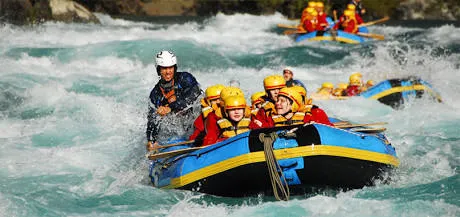
White Water Rafting and Kayaking
Fed by Himalayan glaciers, Nepal’s rivers offer some of the best white water rafting on the planet.
Bhote Koshi River: Known for steep, continuous rapids, this is a short but intense trip perfect for adrenaline junkies.
Trishuli River: Highly accessible from Kathmandu and Pokhara, offering a great mix of exciting rapids and calm poolsideal for beginners and families.
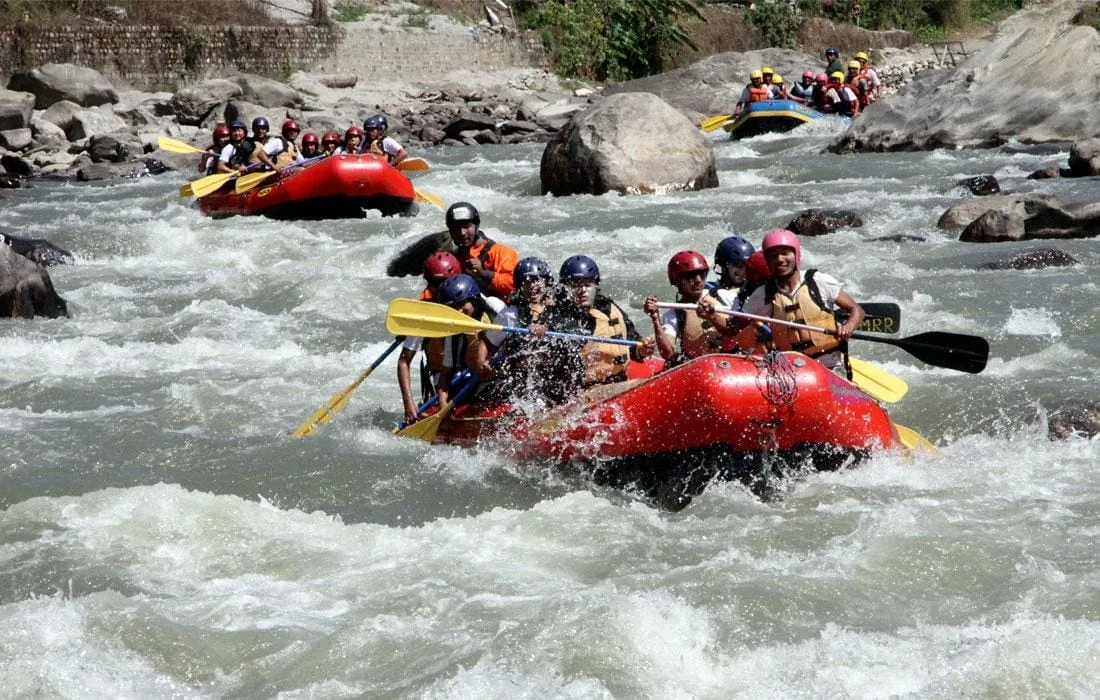
White water rafting in Nepal. Source- Himalayan Smile Treks
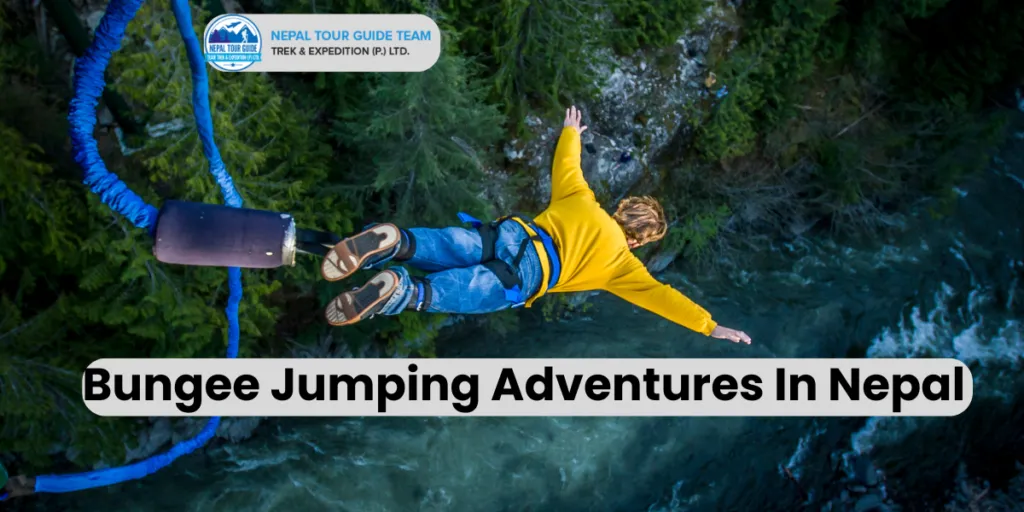
Bungee Jumping at The Last Resort
For a pure shot of adrenaline, head to the Bhote Koshi River gorge. Here, a steel suspension bridge hangs 160 meters over the raging river . Bungee jumping from this bridge is a terrifyingly beautiful experience and one of the highest free-falls in the world . It makes for a perfect day trip from Kathmandu.
Bungee Jumping Adventure
2. Wildlife and Jungle Adventures
A complete Himalayan holiday must include a stark contrast to the alpine environments. Heading south to the Terai lowlands introduces you to dense subtropical jungles.
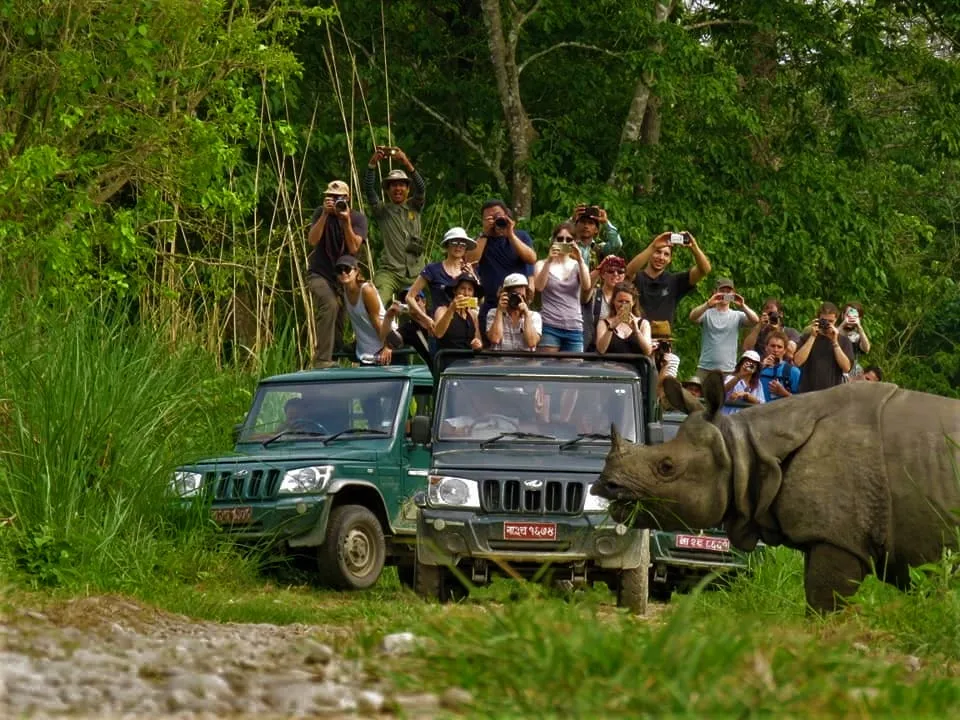
Jungle Safari in Chitwan National Park
Chitwan National Park, a UNESCO World Heritage Site, is the crown jewel of Nepal’s wildlife conservation. Trading your trekking boots for a jeep safari here is undoubtedly one of the best things to do in Nepal.
Wildlife Spotting: The park is famous for its successful conservation of the one-horned rhinoceros. You also have a strong chance of spotting Gharial crocodiles, sloth bears, and if you are very lucky, the elusive Royal Bengal Tiger.
Activities: Beyond jeep safaris, you can take a peaceful dugout canoe ride down the Rapti River or visit the local elephant breeding center.
Nepal is a deeply spiritual country where Hinduism and Buddhism intertwine seamlessly. Exploring this heritage provides a grounding counterpoint to the physical exertion of adventure sports.
Explore the Kathmandu Valley Heritage
A dedicated Kathmandu Valley Tour is essential. Wandering through the medieval squares of Kathmandu, Patan, and Bhaktapur feels like stepping back in time. For a deeper dive into the architecture and local artisanal crafts, consider a specialized Nepal Heritage Tour.
Culinary Experiences
Food is a gateway to culture. One of the most rewarding things to do in Nepal after a long trek is to indulge in the local cuisine. We highly recommend booking a Cultural Dinner in Kathmandu, where you can enjoy an authentic Newari feast or traditional Dal Bhat, accompanied by live folk music and dancing.
FAQs About Things to Do in Nepal
1. Do I need prior experience for adventure sports like white water rafting or paragliding?
No prior experience is necessary for most commercial adventure activities in Nepal. You will be accompanied by highly trained, certified professionals (e.g. tandem paragliding pilots or expert river guides) who handle all the technical aspects.
2. Are there family-friendly things to do in Nepal?
Absolutely! While extreme sports might be out, cable car rides (like Chandragiri or Manakamana), boating on Phewa Lake in Pokhara, short cultural hikes, and jungle safaris in Chitwan are perfect for children and families.
3. Where can I find more detailed information on trekking if I want to add that to my itinerary?
4. What is the best way to plan a multi-activity trip?
To ensure smooth logistics between cities (like getting from Kathmandu to Chitwan or Pokhara), we recommend reviewing our Nepal Tour FAQ Guide to understand domestic transport and seasonal planning.
A licensed trekking and tour operator in Nepal, specializing in unforgettable Himalayan adventures across the Everest, Annapurna, Langtang, and Manaslu regions. Led by experienced local guides, we create safe, personalized, and responsible trekking experiences with expert knowledge of Nepal’s mountains, culture, and trail conditions.
The Ultimate Guide on What to Do in Nepal: Curating Your 2026 Adventure
Figuring out exactly what to do in Nepal can feel overwhelming. With so many majestic mountains, dense jungles, and ancient cities packed into a relatively small country, narrowing down an itinerary requires tough choices. Most visitors spend two weeks in Nepal enough time for a major trek alongside cultural sightseeing, or a diverse cross-country journey spanning from the Himalayas to the Terai lowlands.
Whether you are looking for a relaxing holiday soaking up the views, a deep dive into spirituality, or an adrenaline-fueled expedition, having a clear roadmap is crucial. In this guide, we will break down the essential experiences, offer sample itineraries based on your timeframe, and answer all your pressing logistical questions.
Modern Period
The Essential Experiences: What to Do in Nepal
No matter your fitness level or budget, a well-rounded trip to Nepal should touch upon its three primary pillars: culture, adventure, and nature.
1. Dive into Kathmandu’s Living History
Your journey will inevitably begin in the capital city of Kathmandu. The Kathmandu Valley is a UNESCO World Heritage site buzzing with life, spirituality, and stunning medieval architecture .
Wander the Durbar Squares: Explore the ancient palaces and pagoda temples of Kathmandu, Patan, and Bhaktapur. A dedicated Kathmandu Valley Tour is the best way to understand the complex history of the Newar kings who built these cities.
Experience Spiritual Harmony: Visit the sacred Hindu cremation ghats at Pashupatinath Temple, and then contrast it with the peaceful, prayer-flag-draped Boudhanath Stupa, the center of Tibetan Buddhism in Nepal.
To celebrate your time in the capital, end your sightseeing with a traditional Cultural Dinner in Kathmandu to experience local cuisine, music, and dance.
2. Embrace the Mountains in Pokhara
A 6-to-8 hour drive (or a quick 25-minute flight) west of Kathmandu brings you to Pokhara. Known as the gateway to the Annapurna region, it is famous for its serene lakes and adventure sports.
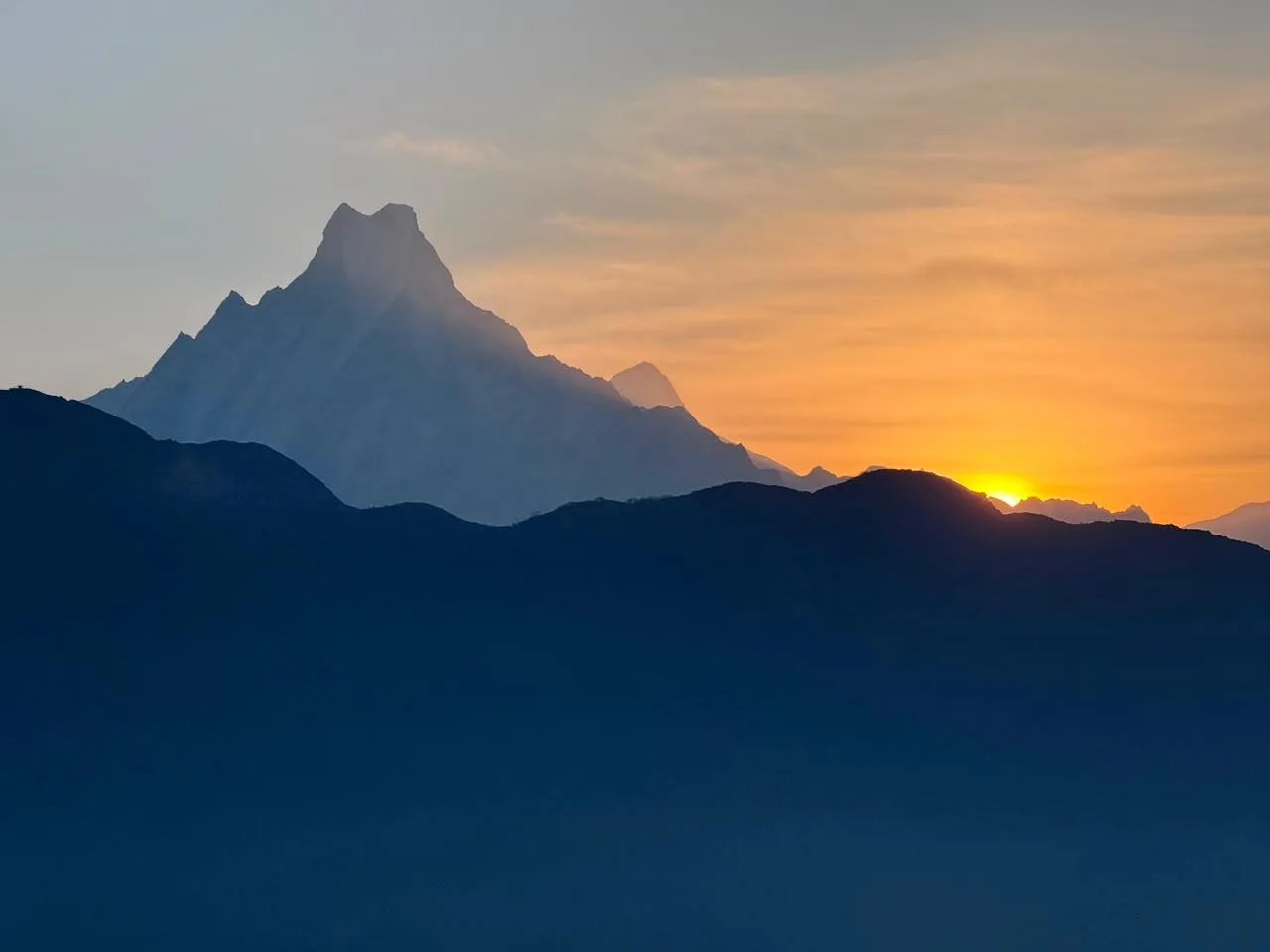
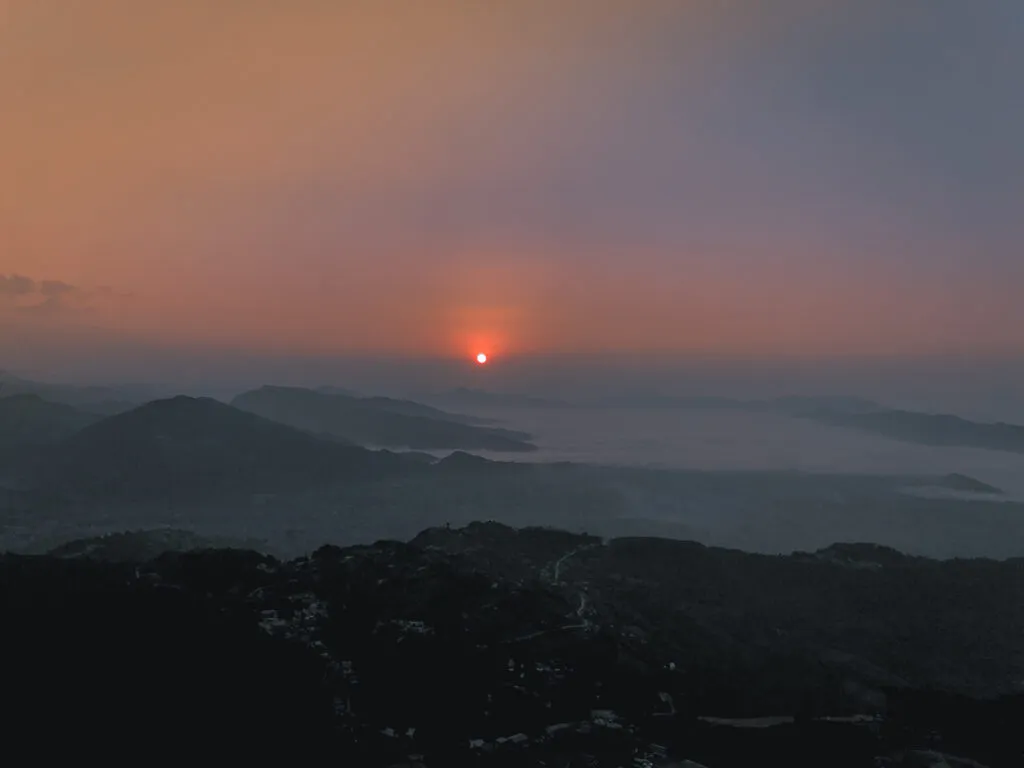
Watch the Sunrise at Sarangkot: You do not need to trek for days to see the Himalayas. A short morning drive to the Sarangkot viewpoint (1,592m) rewards you with a breathtaking sunrise over the Annapurna and Dhaulagiri mountain ranges, including the iconic Machhapuchhre (Fishtail) peak.
Boating on Phewa Lake: Rent a colorful wooden rowboat and paddle out on the calm waters of Phewa Lake, enjoying the perfect reflection of the mountains.
Get Your Heart Racing: If you are seeking thrills, Pokhara is the place for world-class tandem paragliding, zip-lining, and bungee jumping.
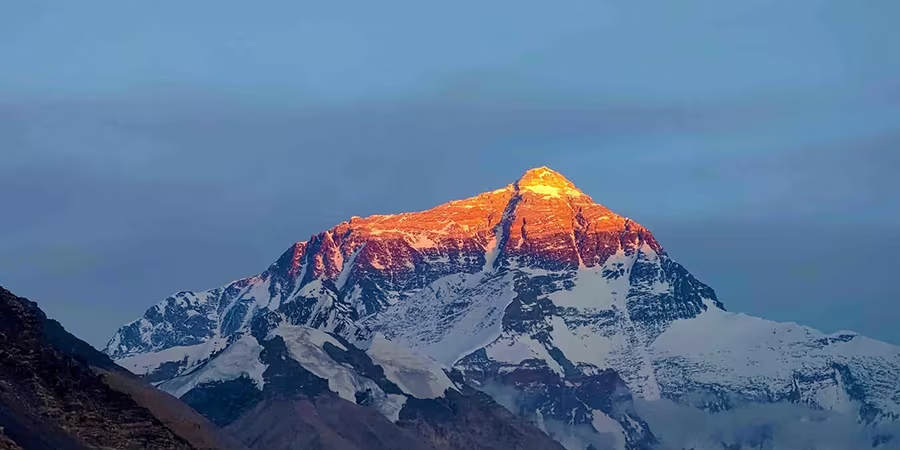
everest
3. Seek Wildlife in the Southern Jungles
When deciding what to do in Nepal, many travelers overlook the tropical south. Trading the mountains for the jungle offers a completely different perspective of the country.
Chitwan National Park: This UNESCO-listed park is Nepal’s premier wildlife destination . Here, you can embark on a jeep safari to spot the endangered one-horned rhinoceros, Bengal tigers, and sloth bears.
Canoe on the Rapti River: Glide silently in a dugout canoe to spot crocodiles and exotic birdlife at sunset.
This diverse combination of city, mountain, and jungle is what makes the Nepal Tour Package 16 Days one of the most popular choices for travelers wanting a complete experience.
Why trekking is important
Crafting Your Itinerary: How to Spend Your Time
Your itinerary depends entirely on how many days you have. Here is a breakdown of exactly what to do in Nepal based on common trip lengths:
If You Have 7 to 10 Days: The Classic Circuit
This is the perfect introductory timeframe.
Days 1-3 (Kathmandu): Arrive, acclimate, and tour the UNESCO heritage sites.
Days 4-5 (Chitwan): Travel to the jungle for a 2-night safari package featuring jeep tours and Tharu cultural shows.
Days 6-8 (Pokhara): Head to the lake city for boating, the Sarangkot sunrise, and perhaps a half-day white water rafting trip on the way.
Days 9-10 (Return): Travel back to Kathmandu for last-minute souvenir shopping in Thamel and your departure.
If You Have 14 to 21 Days: Add a Major Trek
With two or more weeks, you can comfortably add a major Himalayan trek to your itinerary.
Combine a 4-to-5 day “short trek” like Poon Hill or the Mardi Himal trek with the classic circuit above.
Alternatively, dedicate the bulk of your trip to a legendary route like the Everest Base Camp trek or the Annapurna Circuit. Be sure to study our Complete Trekking Guide in Nepal for essential preparation tips.
Nepal Trip Planner
Day
Activity/Destination
Est. Cost
Day 1
KTM Arrival
$90
Day 2
Fly to Lukla
$210
Day 3
Trek: Phakding
$90
Day 4
Trek: Namche Bazaar
$90
Day 5
Namche Acclimatization
$90
Day 6
Trek: Tengboche
$90
Day 7
Trek: Dingboche
$90
Day 8
Dingboche Rest Day
$90
Day 9
Trek: Lobuche
$90
Day 10
Gorak Shep & EBC
$90
Day 11
Kala Patthar & Pheriche
$90
Day 12
Trek: Namche
$90
Day 13
Trek: Lukla
$90
Day 14
Fly to KTM
$210
Beyond the Usual: Exploring Off the Beaten Path
If you are a returning visitor or simply prefer to avoid the crowds, there is plenty of what to do in Nepal outside the main tourist hubs [5, 6].
Bandipur and Tansen: Escape the bustling cities by visiting these beautifully preserved, hilltop Newar trading towns [2]. They offer stunning views and a slower pace of life.
Lumbini: Journey to the birthplace of Lord Buddha [1, 2, 8]. Walking through the international monastic zones provides a profound sense of peace [8].
Upper Mustang: For serious trekkers, stepping into the restricted, high-altitude desert of Upper Mustang feels like walking into ancient Tibet [5].
Not at all. While trekking is famous, a Nepal Heritage Tour combined with a jungle safari and a relaxed stay in Pokhara provides an incredibly rich, physically easy holiday. If you want to see Mount Everest without the 12-day hike, you can book a 1-hour scenic mountain flight from Kathmandu.
2. How do I get around between cities?
The main options are domestic flights (the fastest and most comfortable, but most expensive), private cars with a driver (great for flexibility), or tourist buses (budget-friendly, but travel times are long due to winding mountain roads).
3. Do I need a guide for sightseeing in the cities?
While you can wander alone, hiring a licensed, English-speaking guide for sites like Kathmandu Durbar Square or Pashupatinath is highly recommended . The history is complex, and a good guide provides invaluable context that guidebooks simply cannot match.
4. Where can I find more general logistical information?
A licensed trekking and tour operator in Nepal, specializing in unforgettable Himalayan adventures across the Everest, Annapurna, Langtang, and Manaslu regions. Led by experienced local guides, we create safe, personalized, and responsible trekking experiences with expert knowledge of Nepal’s mountains, culture, and trail conditions.
How to Choose the Ultimate Mount Everest Tour Package in 2026
For many travelers, a trip to Nepal is synonymous with one singular goal: seeing the highest mountain on Earth. Securing the right Mount Everest tour package is a rite of passage, drawing thousands of adventurers, photographers, and spiritual seekers to the Khumbu region each year.
However, you don’t necessarily have to be a hardcore mountaineer or endure a grueling two-week trek to witness the majesty of Everest. From the classic 12-day hike to a luxurious champagne breakfast via helicopter, the options to view Everest in 2026 have never been more diverse. In this comprehensive guide, we will break down the different routes, evaluate the costs, and help you find the exact package that fits your time, budget, and fitness level.
Everest Base Camp
The Classic Route: Everest Base Camp (EBC) Trek
When most people envision a Mount Everest tour package, they are thinking of the classic Everest Base Camp trek. Following in the footsteps of legends like Sir Edmund Hillary and Tenzing Norgay, this is a physically demanding but profoundly rewarding journey.
The 12 to 14-Day Classic EBC Itinerary
The standard itinerary takes 12 to 14 days, starting with a thrilling, scenic flight from Kathmandu to the cliffside airstrip in Lukla.
The Trek In: You will hike through the stunning Dudh Kosi valley, crossing high suspension bridges draped in prayer flags. Early in the trek, you will ascend the steep hill to Namche Bazaar (3,440m), the bustling Sherpa capital of the Khumbu, where you take your first mandatory acclimatization day.
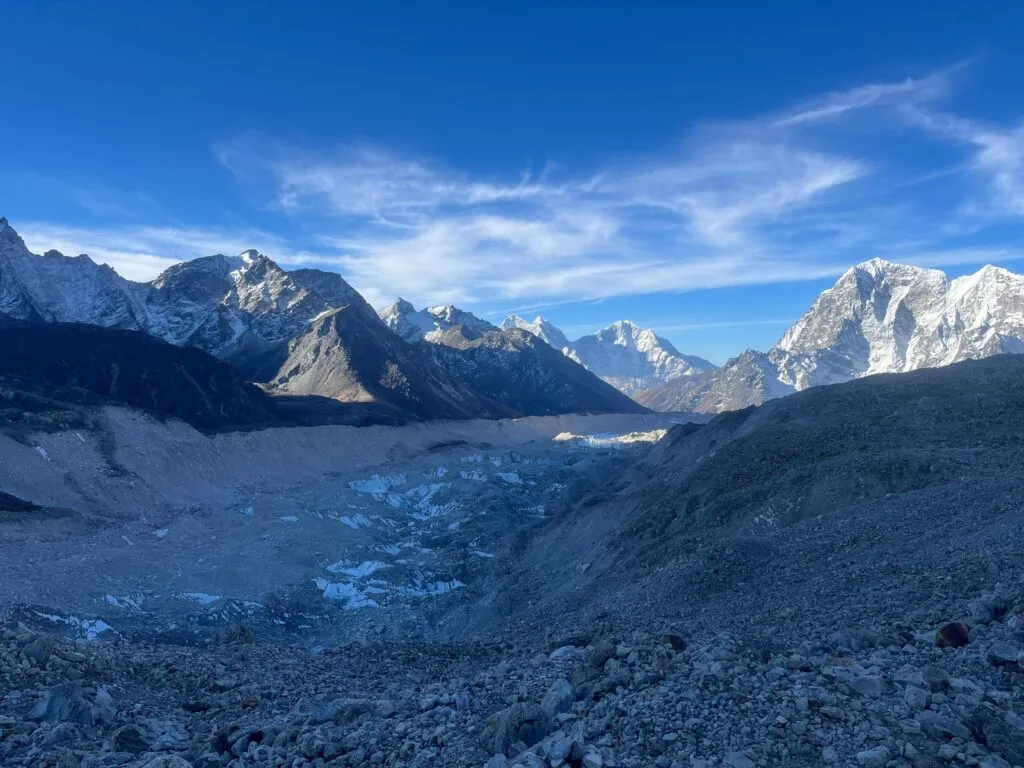
The High Altitudes:The trail continues past the famous Tengboche Monastery and through alpine meadows to Dingboche (4,350m) for a second acclimatization day.Finally, you push through the rocky moraines of the Khumbu Glacier to Gorak Shep and reach Base Camp at 5,364 meters.
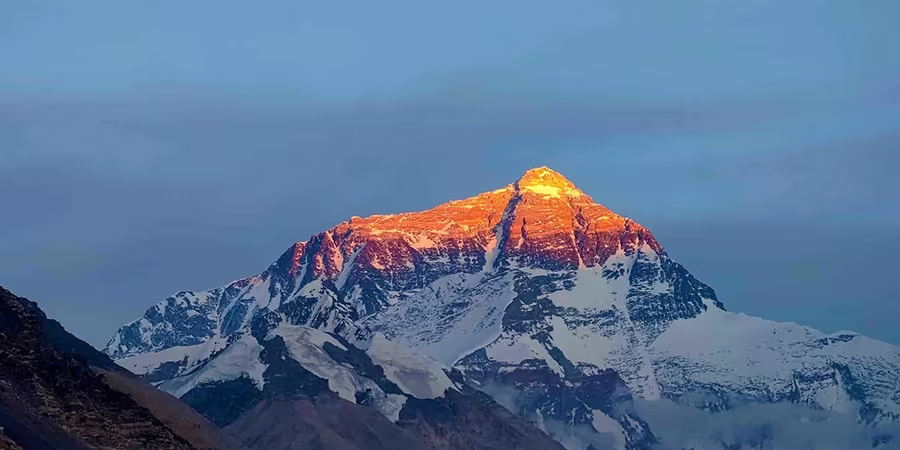
The Ultimate Viewpoint: Because you cannot actually see the peak of Everest from Base Camp itself, the true highlight for many is the pre-dawn hike up Kala Patthar (5,545m) the following morning. Watching the sunrise illuminate the black rock and white snow of the Everest massif is an unforgettable experience.
Budgeting for the Classic Trek
In 2026, a standard 14-day EBC Mount Everest tour package booked through a licensed local agency ranges from $1,200 to $1,800 per person.This typically includes your domestic flights to Lukla, trekking permits (Sagarmatha National Park fee and the Khumbu rural municipality permit), an English-speaking guide, porter support, teahouse accommodation, and meals.
Short on Time? Alternative Mount Everest Tour Packages
If a two-week hike is not in the cards, you can still experience the grandeur of the Himalayas. Tour operators now offer brilliant variations that save time without sacrificing the views.
1. EBC Trek with Helicopter Return (9 to 10 Days)
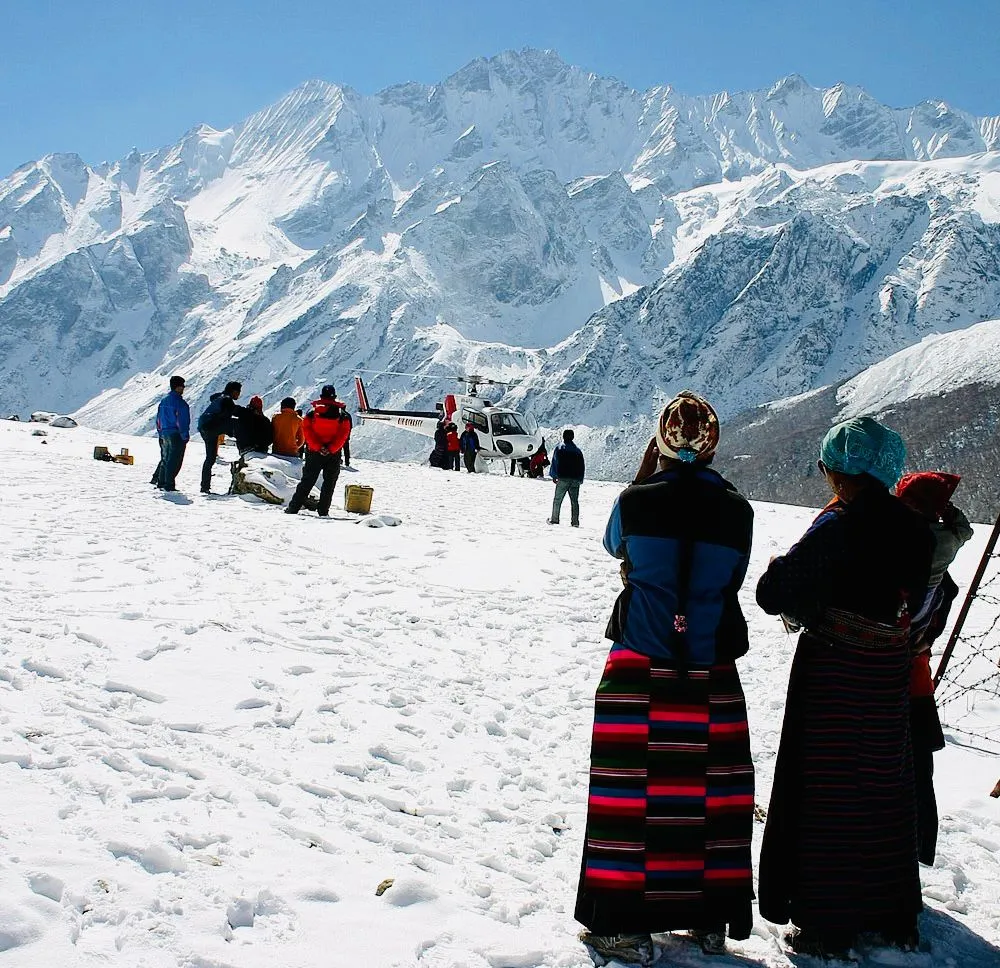
This is the fastest-growing Mount Everest tour package category for 2026. You hike the entire classic route up to Everest Base Camp and Kala Patthar, soaking in the acclimatization and Sherpa culture. Then, instead of spending three to four days retracing your steps downhill, you board a helicopter at Gorak Shep or Pheriche and fly directly back to Kathmandu. This package typically ranges from $1,700 to $2,300 depending on group size.
2. The Short Everest View Trek (6 to 8 Days)
If altitude is a concern, this moderate package is perfect. You fly to Lukla and trek up to Namche Bazaar, continuing slightly further to Tengboche Monastery or the Everest View Hotel (3,880m). You get magnificent panoramic views of Everest, Lhotse, and Ama Dablam without venturing into the extreme altitudes that trigger severe acute mountain sickness (AMS).
Everest
3. One-Day Everest Helicopter Tour
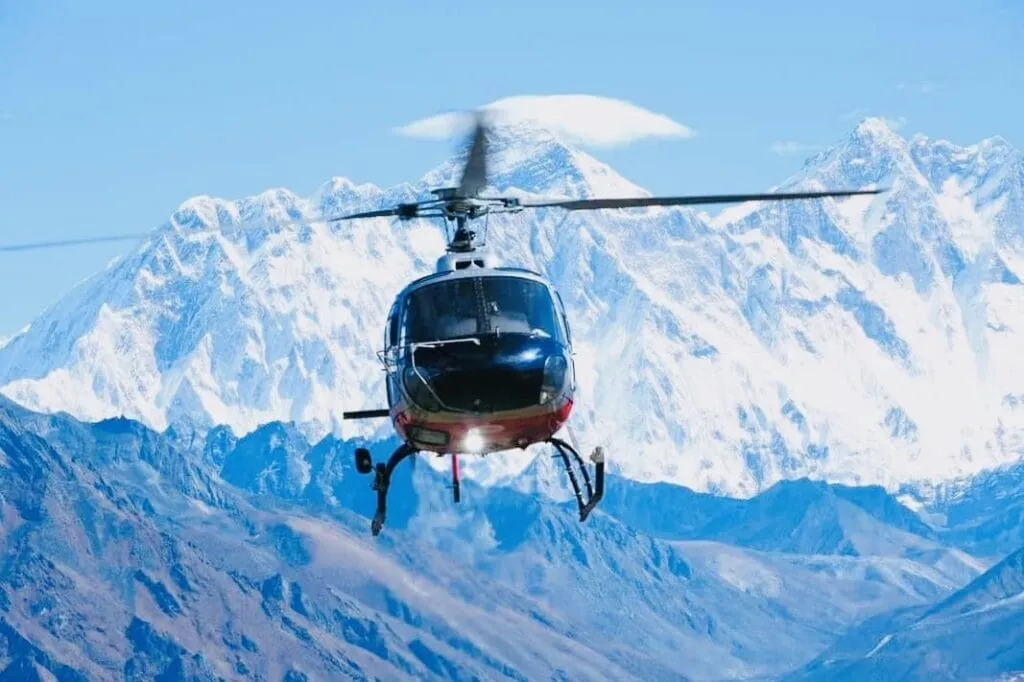
For families, older travelers, or those with only a day to spare, the Everest Helicopter Tour is the ultimate luxury experience. Departing early morning from Kathmandu, you fly directly into the Khumbu valley, soaring over glaciers and icefalls. The highlight is a brief, breathtaking landing at Kala Patthar (5,545m) for photos, followed by a champagne breakfast at the Yeti Mountain Home in Syangboche before returning to the capital. Prices for a shared seat hover around $1,000 to $1,300.
helicopter return from everest basecamp
To see how these options balance out regarding cost, altitude, and duration, use our interactive planner:
Everest Expedition Planner
Package Name
Duration
Base Price
Everest Heli Tour
1-2 Days
$1,200
Everest Panorama Trek
3-6 Days
$700
Express EBC Heli Return
7-10 Days
$2,200
Classic EBC Trek
11-15 Days
$1,400
Three Passes & EBC
16-20 Days
$1,900
Expanding Your Himalayan Itinerary
While securing a Mount Everest tour package is a phenomenal centerpiece for your holiday, Nepal has much more to offer. If you have three weeks in the country, you can combine the intense physical exertion of the Everest region with culturally immersive and relaxing activities.
Pre-Trek Culture: Before flying to Lukla, spend a few days adjusting to the time zone with a Kathmandu Valley Tour. Exploring the ancient Durbar Squares provides a deep understanding of Nepal’s history.
Post-Trek Relaxation: After coming down from the mountain, treat yourself to a Cultural Dinner in Kathmandu to celebrate your success.
Explore the Lowlands: If you want a complete change of scenery, consider booking a broader Nepal Tour Package 16 Days that includes a flight down to Chitwan National Park for a jungle safari. It is one of the 10 Best Places to Visit in Nepal Beyond Everest and offers a stark, beautiful contrast to the alpine cold.
Based on the expert routing from Tour Guide in Nepal’s EBC Guide, the classic 12-day itinerary is perfectly paced to help your body acclimatize safely while maximizing your time in the Khumbu region.
Frequently Asked Questions
Trekking in the Khumbu region requires serious preparation. For an exhaustive overview of logistics, be sure to read our Nepal Tour FAQ Guide and check out the Best Nepal Tours & Treks 2026 to see how Everest compares to regions like Annapurna or Manaslu.
1. Do I need a guide for my Mount Everest tour package?
Yes. As of recent regulations, foreign trekkers must hire a licensed guide through a registered trekking agency to enter Nepal’s national parks, including Sagarmatha (Everest) National Park.
2. When is the best time to book an Everest tour?
The optimal weather windows for the Everest region are during the Autumn (late September to November) and Spring (March to May) seasons. Autumn offers the clearest skies, while Spring brings warmer temperatures and blooming rhododendrons in the lower valleys.
3. What is the risk of altitude sickness?
Acute Mountain Sickness (AMS) is a very real risk when ascending above 3,000 meters. Reputable agencies design their Mount Everest tour packages with mandatory acclimatization days in Namche Bazaar and Dingboche. You should never try to rush the ascent. Always ensure your travel insurance specifically covers high-altitude helicopter evacuation.
4. Are meals included in the package price?
Most all-inclusive packages provided by local agencies cover three meals a day (breakfast, lunch, and dinner) while on the trekking trail.However, drinks (including bottled water, tea, and coffee) and luxury snacks are usually out-of-pocket expenses.
A licensed trekking and tour operator in Nepal, specializing in unforgettable Himalayan adventures across the Everest, Annapurna, Langtang, and Manaslu regions. Led by experienced local guides, we create safe, personalized, and responsible trekking experiences with expert knowledge of Nepal’s mountains, culture, and trail conditions.
Nepal offers much more than Mount Everest, with cultural cities, wildlife, lakes, and spiritual destinations that don’t require trekking.
The Kathmandu Valley combines Kathmandu, Patan, and Bhaktapur, home to seven UNESCO World Heritage monument zones.
Bhaktapur Durbar Square showcases Nepal’s finest Newari architecture, traditional crafts, and a slower, more authentic atmosphere.
Pokhara is Nepal’s most popular lakeside city, famous for Phewa Lake, mountain views, boating, paragliding, and easy access to the Annapurna region.
Sarangkot is one of Nepal’s best sunrise viewpoints, offering panoramic Himalayan scenery and world-class paragliding opportunities.
Chitwan National Park provides exciting jungle safaris where visitors can spot one-horned rhinoceroses, Bengal tigers, elephants, and experience Tharu culture.
Lumbini, the birthplace of Lord Buddha, is a UNESCO World Heritage Site featuring the Maya Devi Temple and international Buddhist monasteries.
Nagarkot, Bandipur, and Tansen are peaceful hill destinations known for Himalayan viewpoints, preserved heritage, local culture, and fewer crowds.
Ghandruk offers an authentic Himalayan village experience with spectacular Annapurna views, making it ideal for travelers seeking mountain scenery without a long trek.
A practical 7-day itinerary connects Kathmandu, Bhaktapur, Pokhara, Sarangkot, and Ghandruk, with optional extensions to Chitwan and Lumbini for travelers with extra time.
Nepal Is Not Just a Mountain
Say “Nepal” and most people picture one thing: Everest. But the top places to visit in Nepal are actually Kathmandu, Pokhara, Lumbini, and Chitwan, each offering a completely different side of the country. You can spend a full week here without ever putting on hiking boots moving instead between ancient royal cities, jungle safaris, lakeside towns, and sacred pilgrimage sites.
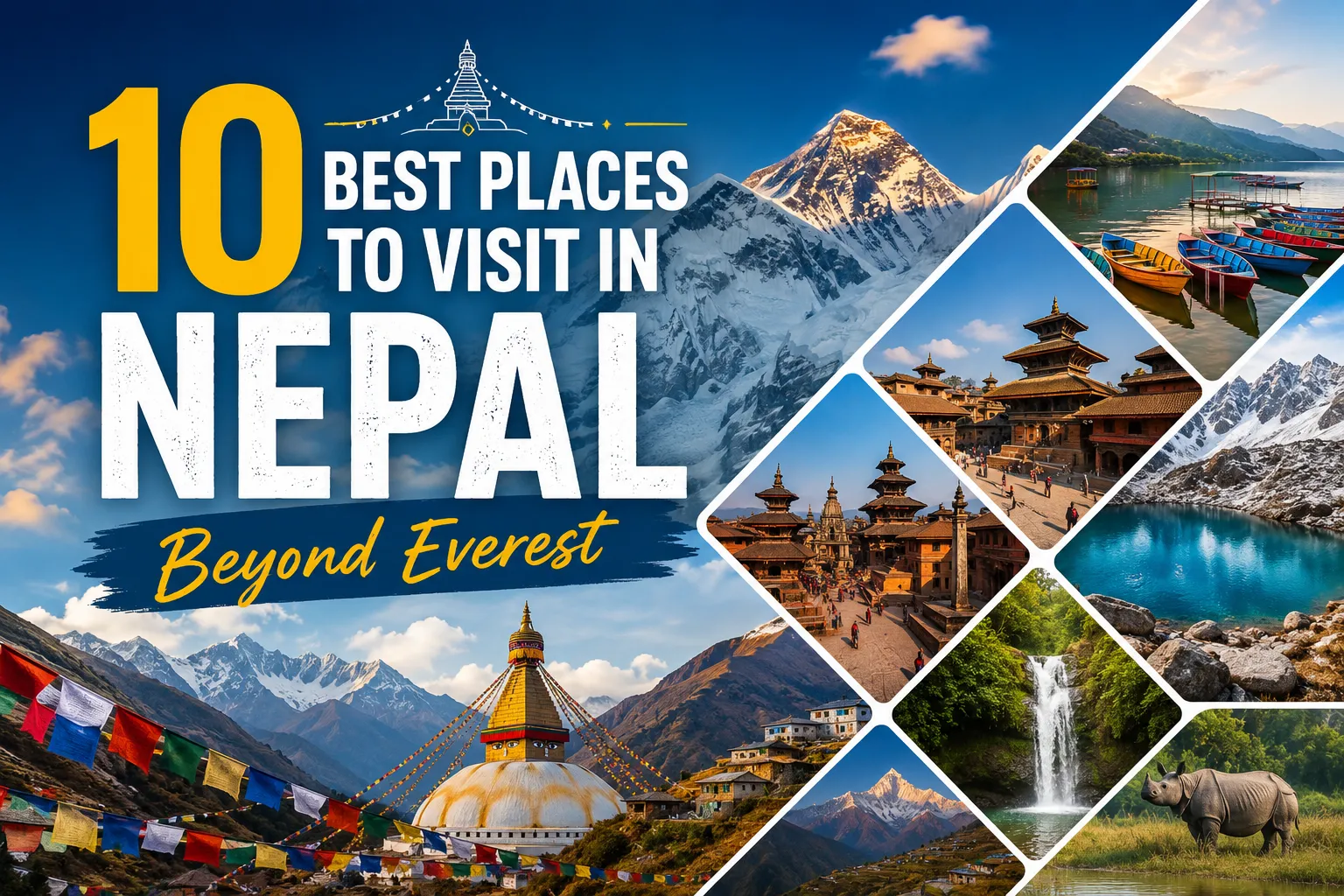
This guide covers 10 places that prove that point, followed by a practical 7-day itinerary that strings the best of them together.
1. Kathmandu Valley (Kathmandu, Patan, Bhaktapur)
Nepal-Kathmandu-Boudhanath
Almost all trips to Nepal start in the Kathmandu Valley, historically composed of several separate kingdoms Kathmandu, Patan/Lalitpur, and Bhaktapur that today form one roughly 25km-wide urban sprawl. Central Kathmandu, Patan, and Bhaktapur together comprise a UNESCO World Heritage Site with seven monument zones, including the Durbar Squares of all three cities plus Pashupatinath Temple, Boudhanath Stupa, Swayambhunath Stupa, and Changu Narayan. Changu Narayan sees far fewer visitors than the other six sites, so it’s worth prioritizing if you want to dodge the crowds.
Good to know: Kathmandu sits at only about 1,400m, so despite common assumptions, altitude sickness is not a concern here.
Worth calling out on its own: unlike busy Kathmandu, Bhaktapur feels slower and more authentic, with pottery workshops, wood carvings, and local markets showcasing Newari craft traditions, and the square is home to some of Nepal’s finest architecture, though only 6 of the original 99 courtyards survived the 1934 earthquake, alongside landmarks like the 55-Window Palace and the Golden Gate. Go for golden-hour light it’s when the square photographs best.
3. Pokhara
Pokhara and Phewa Lake
With its tranquil lakes, green shorelines, and mountain views, Pokhara is Nepal’s gateway to the Annapurna region and a popular resort destination. Phewa Lake, the largest of Pokhara’s three lakes, is lined with hotels, restaurants, and shops, and includes an island temple dedicated to the goddess Barahi Bhagwati where ceremonies are held nearly every weekend. From here you can paraglide, boat, or simply watch the view of Mt. Fishtail (Machhapuchhre) resting above the lake.
No trekking required: trailheads into the Annapurna Himalaya begin around an hour’s drive from the city, but you don’t have to go Pokhara works perfectly well as a standalone stop.
4. Sarangkot (Sunrise Viewpoint Above Pokhara)
Sagarkot sunrise
Sarangkot is a major hill station for viewing the panoramic mountains and the city below, and has also become a paragliding hub in recent years. It’s a short drive or hike from Pokhara and one of the easiest big-payoff sunrise spots in the whole country.
5. Chitwan National Park
chitwan national park
For a total change of scenery: Chitwan National Park in south-central Nepal is one of Asia’s best wildlife-viewing destinations, home to rare and endangered species including the Bengal tiger and one-horned rhinoceros, plus elephants, leopards, and sloth bears. It’s easily accessible from both Kathmandu and Pokhara, and from Sauraha town visitors can go on safari, visit wildlife rehabilitation centers, and learn about the indigenous Tharu people.
Best time to go: visit in late January or early February, when locals clear the long elephant grass and wildlife hiding within becomes far more visible.
6. Lumbini
The-Monastery-of-World-Peace-Lumbini
Lumbini, in far western Nepal, is where the historical Buddha, Prince Siddhartha Gautam, was born, and is a UNESCO World Heritage Site. Beyond the Maya Devi Temple marking his believed birthplace, the town holds temples and monasteries built by Buddhist nations and organizations from around the world. There’s a small international airport in Lumbini, or it’s a long drive from Kathmandu or Pokhara factor that travel time into your planning.
7. Nagarkot
Mountain view of Nagarkot
Nagarkot, on the eastern edge of the Kathmandu Valley, is one of Nepal’s most popular mountain destinations, offering sunrise views over the Himalayas and, on clear days, distant views of Mount Everest itself — without a single day of trekking. It’s a favorite weekend escape for couples and photographers precisely because of that payoff-to-effort ratio.
8. Bandipur
Bandipur Nepal
Bandipur is a charming hilltop village in Nepal’s mid-hills, offering stunning Himalayan views alongside preserved medieval architecture and a tranquil atmosphere — a genuine break from the busier tourist hubs, and a strong pick if cultural heritage matters more to you than adventure sports.
9. Tansen (Palpa)
Evening View of Tansen
A genuine hidden gem: Tansen was once a famed Newari bazaar that profited from sitting on a key trade route between India and Tibet, and is now known for handlooms and metal crafts. It has been added to the UNESCO World Heritage Tentative List, and from nearby Srinagar Hill you can see panoramic Himalayan views alongside the plains of the Terai and Lumbini on a clear day.
10. Ghandruk
Ghandruk Village
If you want one foot in the mountains without committing to a multi-day trek: Ghandruk is a traditional Gurung village that also serves as the gateway to the Annapurna Base Camp trek, sitting at 2,012m with amazing views of Machhapuchhre Himal and Hiunchuli Peak. You can visit it as a day trip or short overnight from Pokhara and get a genuine taste of trekking-region culture without the altitude commitment.
If Ghandruk gives you a taste for more, the natural next step is a short guided walk closer to the capital — see our Hiking in Kathmandu guide for options that need no more than a day.
The 7-Day Nepal Tour Itinerary (Beyond Everest)
This itinerary strings together the highlights above into a realistic, non-trekking-heavy week. It assumes you fly into Kathmandu and out of Kathmandu or Pokhara.
Day 1 — Arrive Kathmandu Settle in, evening walk around Thamel.
Day 2 — Kathmandu Valley Cultural Tour Kathmandu Durbar Square, Swayambhunath Stupa, Boudhanath Stupa, Pashupatinath Temple. (Full detail: Kathmandu Valley Tour)
Day 3 — Bhaktapur & Patan Full day covering both Durbar Squares, pottery square, and Newari craft workshops.
Day 4 — Fly or drive to Pokhara Afternoon at Phewa Lake; evening at Sarangkot for sunset instead of sunrise if you’re tired from travel.
Day 5 — Pokhara + Sarangkot Sunrise Early sunrise at Sarangkot, then a relaxed day around Pokhara — boating, Davis Falls, or a short paragliding session.
Day 6 — Ghandruk Day Trip Drive to Ghandruk for a half-day cultural walk through the Gurung village and back to Pokhara by evening.
Day 7 — Return to Kathmandu, Departure Fly back to Kathmandu for onward travel, or extend with Chitwan (adds 2 days) or Lumbini (adds 2–3 days) if your schedule allows.
Want the fuller version? This 7-day route is a compact version of our complete 16-Day Nepal Tour Package, which adds Chitwan’s jungle safari and Lumbini’s pilgrimage sites for travelers with more time.
Frequently Asked Question
1. What are the best places to visit in Nepal besides Mount Everest?
The best places to visit in Nepal beyond Everest include Kathmandu, Pokhara, Bhaktapur, Chitwan National Park, Lumbini, Nagarkot, Sarangkot, Bandipur, Tansen, and Ghandruk. These destinations offer culture, wildlife, mountain views, lakes, and spiritual experiences without requiring high-altitude trekking.
2. Is Nepal worth visiting if I don’t want to trek?
Yes. Nepal offers UNESCO World Heritage Sites, jungle safaris, lakeside cities, ancient temples, cultural villages, and adventure activities like paragliding and boating. Many of the country’s top attractions can be enjoyed without trekking.
3. How many days are enough to explore Nepal?
A 7-day itinerary is enough to visit Kathmandu, Bhaktapur, Pokhara, Sarangkot, and Ghandruk. If you want to include Chitwan National Park and Lumbini, plan for 10–14 days.
4. What is the best time to visit Nepal?
The best time to visit Nepal is from October to November and March to April, when the weather is clear, temperatures are pleasant, and mountain views are at their best. January and February are excellent for wildlife safaris in Chitwan.
5. Which city should I visit first in Nepal?
Kathmandu is the ideal starting point because it is home to Nepal’s main international airport and offers easy access to UNESCO World Heritage Sites, cultural landmarks, and transportation to other popular destinations.
6. Which place in Nepal has the best mountain views without trekking?
Nagarkot and Sarangkot are among the best destinations for Himalayan views without trekking. Both offer spectacular sunrise panoramas, and on clear days, Nagarkot even provides distant views of Mount Everest.
7. Is Pokhara better than Kathmandu for tourists?
Both cities offer different experiences. Kathmandu is best for history, temples, and cultural heritage, while Pokhara is known for its peaceful lakes, adventure activities, and stunning mountain scenery. Many travelers include both in their itinerary.
8. What are the must-visit UNESCO World Heritage Sites in Nepal?
Some of Nepal’s most famous UNESCO World Heritage Sites include Kathmandu Durbar Square, Bhaktapur Durbar Square, Patan Durbar Square, Pashupatinath Temple, Boudhanath Stupa, Swayambhunath Stupa, Changu Narayan Temple, Lumbini, and Chitwan National Park.
9. Can I visit Nepal without experiencing altitude sickness?
Yes. Popular destinations like Kathmandu (1,400 m), Pokhara (822 m), Chitwan, Lumbini, Bhaktapur, and Nagarkot are at relatively low elevations where altitude sickness is generally not a concern. Only high-altitude trekking routes require acclimatization.
10. What is the best 7-day itinerary for first-time visitors to Nepal?
A licensed trekking and tour operator in Nepal, specializing in unforgettable Himalayan adventures across the Everest, Annapurna, Langtang, and Manaslu regions. Led by experienced local guides, we create safe, personalized, and responsible trekking experiences with expert knowledge of Nepal’s mountains, culture, and trail conditions.
Licensed tour guide are mandatory for most major trekking routes in Nepal.
Rule effective from: 1 April 2023.
Applies to: Everest, Annapurna, Langtang, and other TIMS-regulated trekking regions.
Not required for most short hikes around Kathmandu and Pokhara.
Book only through a registered trekking agency—not independent guides.
TIMS Card and trekking permits are required for eligible trekking areas.
Always verify your guide’s license before starting your trek.
Choose experienced guides with first-aid and altitude training.
Ignoring the rules may result in being stopped at checkpoints or denied entry.
A licensed guide means a safer, legal, and more enjoyable trekking experience.
Why This Matters More in 2026 for Licensed Tour Guide in Nepal ?
If you’re planning a trek to Everest, Annapurna, Langtang, or any other national park route, this isn’t just a “nice to have” anymore. Since April 1, 2023, new rules from the Nepal Tourism Board and dozens of trekking organizations, backed by the Ministry of Culture, Tourism, and Civil Aviation, require solo and independent trekkers to use a licensed guide, alongside a digital TIMS permit from a local agency. This applies to solo trekkers and groups alike.
The rule is enforced specifically in TIMS-regulated areas all national park regions in the mountains but does not apply to hikes around the Kathmandu or Pokhara valleys or short hikes near major cities. And the requirement is to hire a licensed trekking guide specifically through a government-registered trekking agency, not just any guide.
Skip this step and you’re not just breaking a rule it’s classified as a punishable offense, and you risk being turned back at checkpoints where permits are verified.
What “Licensed” Actually Means in Nepal
A licensed tour guide isn’t someone who’s simply “done it before.” It’s someone who has been through a formal government process:
For a Tourist Guide License (city/cultural tours): Applicants generally need a bachelor’s degree in any faculty and must complete a ten-week training program organized by the Nepal Academy of Tourism and Hotel Management (NATHM) on a yearly basis.
For a Trekking Guide License (mountain routes): Requirements have varied slightly by source and over time, but generally include a diploma-level education and an eight-week training program through NATHM, after which the Ministry issues the license once the training certificate is presented.
The legal process itself works like this: To become a tour guide, an application must be submitted to the Director General of the Department of Tourism, Government of Nepal. The application follows a specific format, and the government may issue the license after review, charging a fee. A tour guide license in Nepal is typically valid for five years, with renewal required afterward and working with an unrenewed license carries a fine.
In short: a real license means formal training, a government exam or certification process, and an ID/card issued by the Department of Tourism or Nepal Tourism Board not just a claim.
How to Verify a Licensed Tour Guide in Nepal ?
What not to trust
Do this instead
Details / why it matters
Business card alone
Ask to see the physical license card
License tour guide card should show license number, guide photo, category (trekking vs tourist guide), and validity dates. Physical card verifies identity and legal status.
Booking an individual (unverified)
Book through a registered agency, not an individual
Registered agencies have accountability, insurance arrangements, and formal booking/contracts. Verify via Department of Tourism and the Trekking Agencies’ Association of Nepal (TAAN).
Accepting agency claims without proof
Cross-check the agency’s tourism license with DoT
Legitimate operators are registered with the Department of Tourism (MoCTCA). Trekking agencies hold a specific trekking agency license authorizing expeditions, hiring guides/porters, and operating on designated routes.
Assuming TIMS is handled correctly
Check TIMS registration for you and your guide/agency
The Trekkers’ Information Management System (TIMS) records trekkers for safety and is required for trekking. TIMS cards can be issued through TAAN offices in Kathmandu/Pokhara or via a registered trekking agency.
Relying only on paperwork
Ask about route-specific experience and seasons guided
Paper qualifications are minimum. Ask how many seasons they’ve guided the specific region (Everest, Annapurna, Langtang, Mustang), since local route experience affects safety, acclimatisation decisions, and logistics.
Step-by-Step: Hiring a Licensed Tour Guide in Nepal for Your Nepal Trip
Different licenses mean different skills. One licenced does not cover both.
2. Pick registered agencies
Shortlist registered trekking/travel agencies, not freelance contacts from informal channels.
Agencies provide accountability, contracts and safer logistics.
3. Verify the guide
Ask for the guide’s license number; ask the agency to confirm it with the Department of Tourism if you want extra assurance.
Confirms the guide is legally authorized and reduces fraud risk.
4. Confirm TIMS & permits
Make sure the agency will handle TIMS registration and any required permits before arrival.
TIMS and permits are mandatory for safety and access; don’t assume they’ll be done.
5. Get terms in writing
Request written trip terms: daily rate, what’s included (food, lodging, guide insurance), and cancellation policy.
Prevents misunderstandings and gives you a reference if issues arise.
6. Meet the guide first
Meet or video-call the guide beforehand to check language and route experience.
Licensing is only the legal minimum this ensures good communication and local knowledge.
Common Mistakes to Avoid for Licensed Tour Guide in Nepal
Common mistake
Why it’s risky
What to do instead
Hiring a guide directly at the trailhead without agency backing
The 2023 rule change was designed to stop this practice: it removes oversight, insurance coverage, and verified paperwork.
Book through a registered agency that handles permits, TIMS, and insurance.
Assuming “experienced” = “licensed”
Informal experience doesn’t replace NATHM training or DoT licensing: an unlicensed guide may lack formal safety training and legal status.
Ask for the guide’s license card and number; verify with the agency or DoT when possible.
Not checking the agency’s registration
Unregistered operators haven’t been reviewed by DoT: their staff, insurance, and paperwork may be invalid.
Verify the agency’s tourism license through the Department of Tourism or TAAN before booking.
Skipping TIMS because you’re solo
The 2023 rule specifically removed the solo‑trekker exemption: TIMS is mandatory for safety and official records.
Ensure TIMS registration is completed through the agency or TAAN before you start trekking.
Frequently Asked Question
1. Is a licensed tour guide mandatory for trekking in Nepal?
Yes. Since April 1, 2023, licensed tour guide are mandatory for most major trekking routes in Nepal, including Everest, Annapurna, Langtang, and other TIMS-regulated regions. Trekkers must hire a licensed guide through a government-registered trekking agency.
2. Does the licensed tour guide rule apply to all trekking routes in Nepal?
No. The rule mainly applies to TIMS-regulated trekking regions and national park routes. Most short hikes around Kathmandu Valley, Pokhara, and nearby hill destinations do not require a licensed trekking guide.
3. Can I hire an independent Licensed Tour Guide in Nepal ?
No. The current regulations require trekkers to book a licensed guide through a registered trekking agency, not directly through an independent or freelance guide.
4. What is a licensed tour guide trekking in Nepal?
A licensed trekking guide is a guide officially certified by the Government of Nepal after completing approved training through the Nepal Academy of Tourism and Hotel Management (NATHM). Licensed guides receive an official guide identification card issued by the Department of Tourism.
5. How can I verify whether my Licensed Tour Guide in Nepal?
Ask your guide to show their official guide license card. It should include their photo, license number, guide category, and validity period. You can also confirm the guide’s credentials through the registered trekking agency.
6. Is a TIMS Card still required for trekking in Nepal?
Yes. Trekkers visiting eligible trekking regions must obtain a TIMS (Trekkers’ Information Management System) Card along with any required national park or conservation area permits before beginning their trek.
7. Why should I book through a registered and Licensed Tour Guide in Nepal trekking agency?
Registered trekking agencies ensure that your guide is licensed, arrange your TIMS Card and trekking permits, provide proper contracts, and help with insurance and emergency support throughout your trek.
8. What happens if I trek without a licensed guide?
Trekkers who ignore the regulations may be stopped at permit checkpoints, denied entry into trekking regions, or face penalties for violating Nepal’s trekking regulations.
9. Besides a license, what qualities should I look for in a trekking guide?
Choose a guide with experience on your chosen trekking route, strong communication skills, first-aid certification, altitude sickness training, and multiple trekking seasons in regions such as Everest, Annapurna, Langtang, or Mustang.
10. What are the steps to hire a licensed trekking guide in Nepal?
First, choose your trekking destination. Then select a registered trekking agency, verify the guide’s license, confirm your TIMS Card and permits, review the written trip terms, and meet or speak with your guide before the trek begins.
A licensed trekking and tour operator in Nepal, specializing in unforgettable Himalayan adventures across the Everest, Annapurna, Langtang, and Manaslu regions. Led by experienced local guides, we create safe, personalized, and responsible trekking experiences with expert knowledge of Nepal’s mountains, culture, and trail conditions.
Welcome to the definitive Nepal Tour and Trekking Guide, your ultimate resource for planning an unforgettable journey through the heart of the Himalayas. Navigating local laws, prices, and itineraries can be overwhelming, whether you’re looking to reserve an Luxurious cultural loop through Kathmandu, Pokhara, and Chitwan or are seeking the unadulterated challenge of Nepal’s top treks, like the famous Everest Base Camp or Annapurna Circuit. This thorough, professional-backed guide is made especially to address all of your important questions before you enter the nation.This thorough, professional-backed guide is made especially to address all of your important questions before you enter the nation.
We have compiled the top 100 questions that travelers ask every day, covering everything from staying up to date on mandatory licensed tour guide regulations to comprehending seasonal weather shifts, entry logistics, and hidden mountain expenses. Curated by tourguideinnepal.com destination experts.
Category A Nepal Tour FAQ Guide : Core General Planning & Entry Logistics
1. What is the official tourist visa fee for a multi-day tour in Nepal?
The visa on arrival fees are USD 30 (15 days), USD 50 (30 days), and USD 125 (90 days). For a seamless experience, secure your trip through an authorized operator like tourguideinnepal.com to handle ground logistics efficiently. Read this article: Nepal Visa feed and required document
2. Can I obtain a visa on arrival when arriving for a tour in Nepal?
Yes, visas on arrival are available at Tribhuvan International Airport. Booking an organized tour in Nepal via you have to ensures you have the necessary documentation ready for custom clearance. If you have any queries related to visa you can simply check this visa on Arrival from Nepal Government website
3. What documents are mandatory before starting an adventure tour in Nepal?
You need a passport valid for 6 months, passport photos, travel insurance, and your tour confirmation voucher from your agency. Read this article: Trekking permit
4. Is it safe for solo female travelers to book an independent tour in Nepal?
Nepal is highly safe for solo travelers due to a deeply welcoming culture. Securing a verified local guide that provides an extra layer of comfort and localized security.
5. What is the total estimated daily cost for a standard budget tour in Nepal?
Budget travel ranges from USD 30 to USD 50 per day. For customized private itineraries you can check to our website as well.
6. What currency should travelers carry during a guided tour in Nepal?
The Nepalese Rupee (NPR) is the local currency. ATM access is widely available in cities. You can also install the khalti App of Nepal, were you can simply sent via stripe account to khalti which will convert it into Nepalese Rs. Install khalti and login with your Nepali SIM phone number.
7. Are credit cards widely accepted during a commercial tour in Nepal?
Major cards are accepted in Kathmandu and Pokhara hotels, but cash is required on the trails and you may use the QR as well through fonepay, Khalti, and Esewa.
8 Do I need specific medical vaccinations before joining a family tour in Nepal?
No vaccinations are legally mandatory, but Hepatitis A, Tetanus, and Typhoid shots are highly recommended by health authorities before starting your tour in Nepal.
9. How far in advance should I reserve an authorized tour in Nepal?
Booking 3 to 6 months in advance is recommended for peak autumn seasons. Contact the specialists. If you want a proper expert guide we shall be providing you our expert Mr. Kumar Dahal who has an experience of 15+ years in this field. You can get his information via from website. To reserve prime heritage accommodations.
10. What are the common tourist scams to avoid during a city tour in Nepal?
Beware of unregistered street guides and aggressive taxi drivers. Booking verified transport. Our you can use in the online cab booking simply go to your Play store(android) or a App store(Ios) and download the In-drive.In In-driveyou can book a cab, bike as per your preference. if you want a private cab driver as you stay in Nepal you can contact our expert Mr. Kumar Dahal for more information you can go to our website.
Category B Nepal Tour FAQ Guide : Weather, Seasons, & Timing
11. Which month offers the clearest weather for an active tour in Nepal?
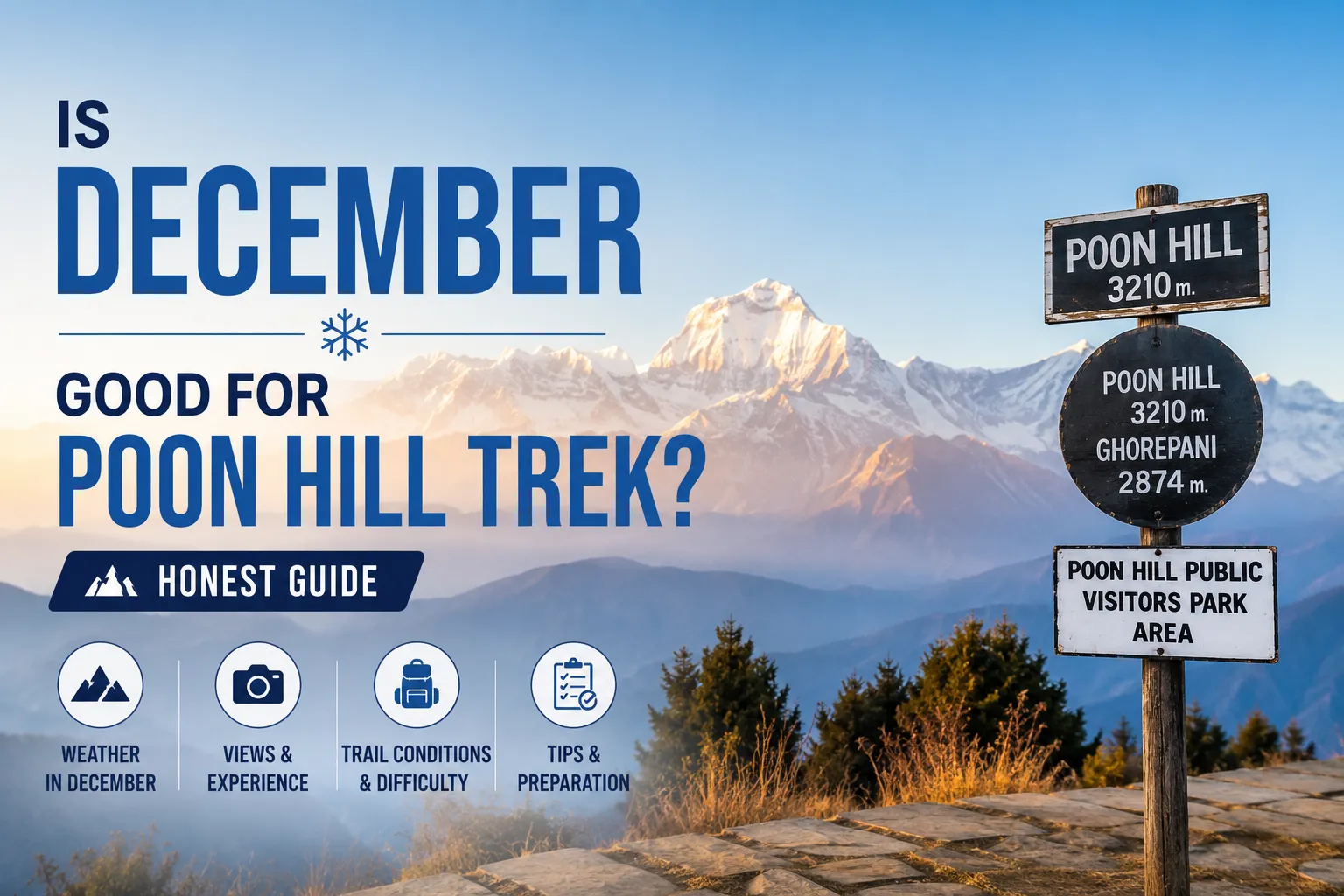
October and November deliver crystal-clear Himalayan views. Plan your autumn schedule. We also suggest people not to visit in the month of the December. Read this article : Is December Good for Poon Hill Trek? Honest Guide
12. Is it practical to plan a sightseeing tour in Nepal during the monsoon season?
Monsoon (June to August) brings heavy rains and transport delays. For rain-shadow travel like Upper Mustang, consult the seasonal experts.
13. What are the advantages of booking a spring tour in Nepal?
Spring (March to May) features blooming wild rhododendrons and pleasant climbing temperatures, perfect for your travel and tour experience in Nepal.
14. Can you recommend a winter itinerary for an easy tour in Nepal?
Low-altitude cultural loops covering Kathmandu, Pokhara, and Chitwan are ideal for winter. View comprehensive cold-season.
15. How does the climate affect a high-altitude trek tour in Nepal?
Temperatures drop significantly above 3,000 meters. Proper insulation is required; check equipment guidelines.
16. Are mountain flights operational during a winter luxury tour in Nepal?
Yes, winter mornings often offer crisp, clear conditions for Everest flight options, which can be added directly to you.
17. What should I pack for a multi-season cultural tour in Nepal?
Bring versatile layers, breathable trekking shirts, windproof jackets, and comfortable walking shoes. You can pack your gadget to capture the unseen movement and the Nepali multi- cultural tour.
18. Is travel insurance mandatory for an adventure trek tour in Nepal?
Yes, insurance that explicitly covers emergency helicopter evacuation up to 6,000 meters is required for mountain routes. Our expert says, it generally not mandatory for those tourist who came to Nepal for a general purpose but who came to Nepal for trekking hiking and other activities it Strictly required.
19. How do flight delays affect a domestic tour in Nepal?
Mountain weather can cause sudden flight suspensions. Nepal weather is very unpredictable so, due very much concern with the weather it may delays specially in the hills areas.
20. What is the best festival season to experience on a cultural tour in Nepal?
Autumn hosts Dashain and Tihar, offering rich cultural immersion. Secure your holiday festival slots early and enjoy the Hindu “Mahan Parva Badha Dashain” and took the blessing of Goddess Durga.Enjoy playing ping in Dashain. In this periods Mardi Himal Trek is very much popular. specially at that period of time.
Category C Nepal Tour FAQ Guide : Tour Guides & Regulations
21. Is it legal to hike without a licensed guide during a tour in Nepal?
As of recent regulatory updates, independent trekking without an authorized guide is restricted in major national parks to ensure safety. Hire a certified professional. There are also a many fraud tour guide. You can simply verified with there trekking company licensed and other essential documents.
22. What are the average daily fees for a certified guide when booking a tour in Nepal?
Professional guides cost between USD 30 and USD 50 per day depending on the language and route expertise.
23. How do I verify the credentials of an adventure guide on a tour in Nepal?
Ensure your guide holds an official license from the Department of Tourism and registered business document and other legal documents.
24. Can an English-speaking guide on a tour in Nepal handle emergency medical evacuations?
Yes, certified guides are trained in wilderness first aid and altitude sickness protocols.
25. What is the standard tipping etiquette for a private guide after a tour in Nepal?
Tipping is highly appreciated for good service, typically averaging 10% to 15% of the total guiding fee.
26. Should I hire a separate porter and a guide for a trek tour in Nepal?
For demanding routes, a dedicated porter manages heavy gear while your guide focuses on safety and interpretation. Find cohesive team packages.
27. Do local guides accompany tourists on domestic flights during a tour in Nepal?
Yes, private guide accompaniment throughout your domestic itinerary can be fully arranged. As per your requirement you will get the local guides.
28. How do guide regulations protect travelers on a remote tour in Nepal?
Mandatory tracking and registration protect visitors from getting lost or stranded during sudden weather shifts.
29. Can a specialized cultural guide explain UNESCO heritage architecture on a tour in Nepal?
Yes, city-specific historians provided by tourguideinnepal.com offer deep context on Newari craftsmanship in Patan and Bhaktapur.
30. Are female guides available for booking a private tour in Nepal?
Yes, female guides can be requested for solo female groups or families through the booking portal.
Category D Nepal Tour FAQ Guide : Main Destinations (Kathmandu, Pokhara, Chitwan, Lumbini)
31. What is included in a classic 3-day Kathmandu city loop when on a tour in Nepal?
Key highlights include Pashupatinath, Boudhanath, Swayambhunath, and the historic Durbar Squares. If you want to experience more for this
32. How many days should I allocate for a scenic lake tour in Nepal at Pokhara?
A 3 to 4-day stay allows time for boating on Phewa Lake, visiting Sarangkot for sunrise, and exploring underground caves.
33. What wildlife can I expect to see during a jungle safari tour in Nepal?
Chitwan National Park offers opportunities to spot rare one-horned rhinos, wild elephants, and Bengal tigers. Plan your wildlife excursions with tourguideinnepal.com.
34. Is a spiritual journey to Lumbini worth the driving distance during a tour in Nepal?
Yes, visiting the birthplace of Lord Buddha provides deep historical insight. Tourguideinnepal.com coordinates smooth private transport options to the site.
35. What are the top things to do on a family tour in Nepal?
Ideal activities include short hikes, wildlife safaris, and interactive cultural workshops. Explore family-friendly itineraries at tourguideinnepal.com.
36. How do I travel from Kathmandu to Pokhara during a custom tour in Nepal?
Options include a scenic 25-minute domestic flight or a 6 to 8-hour tourist bus ride. Let tourguideinnepal.com secure your preferred seating.
37. What makes Bhaktapur a key stop on a heritage tour in Nepal?
Bhaktapur features exceptionally well-preserved medieval architecture and traditional pottery squares.
38. Can I see Mount Everest during a short sunrise loop when planning a tour in Nepal?
On clear mornings, the Nagarkot viewpoint offers a distant view of the Everest range.
39. What activities are popular during an adventure sports tour in Nepal?
Pokhara offers world-class paragliding, zip-lining, and ultra-light flights. Coordinate these additions through tourguideinnepal.com.
40. Are entry tickets to UNESCO sites included in packages for a tour in Nepal?
This varies by agency; tourguideinnepal.com clearly lists all site entry fees upfront within your custom booking invoice.
Category D Nepal Tour FAQ Guide : Trekking & Mountain Tours
41. What is the absolute best trek package for an introductory tour in Nepal?
The Ghorepani Poon Hill trek is highly recommended for beginners due to its manageable elevations and panoramic views. Learn more at tourguideinnepal.com.
42. How difficult is the iconic Everest Base Camp trek loop on a tour in Nepal?
It is a challenging high-altitude trek that requires solid physical conditioning and proper acclimatization. View detailed training schedules on tourguideinnepal.com.
43. What is the average duration of an Annapurna Circuit package when booking a tour in Nepal?
The classic circuit spans 12 to 16 days depending on your specific walking pace and transport choices.
44. Are there luxury lodge options available on a mountain trek tour in Nepal?
Yes, premium luxury teahouses operate along select paths in the Everest and Annapurna regions. Book upgraded stays via tourguideinnepal.com.
45. What permits must be secured before starting a trekking tour in Nepal?
You typically need a TIMS card and specific National Park or Conservation Area entry permits.
46. Can I complete a short 5-day mountain loop when customizing a tour in Nepal?
Yes, short treks like the Mardi Himal or Poon Hill loop offer great mountain views within a tight timeline.
47. What is the environmental policy regarding single-use plastics during a tour in Nepal?
Most major trails have implemented strict bans on single-use plastic water bottles. Bring reusable water purification gear as recommended by tourguideinnepal.com.
48. How do teahouse accommodations function during an active tour in Nepal?
Teahouses provide basic twin-sharing rooms and hot, locally cooked meals. Peak season rooms fill fast, but tourguideinnepal.com handles advanced bookings.
49. What is the maximum altitude reached on an Annapurna Base Camp tour in Nepal?
The base camp sits at 4,130 meters above sea level, surrounded by major Himalayan peaks.
50. Is the remote Upper Mustang forbidden kingdom package considered an expensive tour in Nepal?
Yes, it requires a special restricted area permit costing USD 500 per person for the first 10 days.
Category E Nepal Tour FAQ Guide : Food, Culture, & Local Etiquette
51. What local dishes should I try during a food-focused tour in Nepal?
Sampling traditional Dal Bhat (lentil soup and rice) and fresh momos is a must. Tourguideinnepal.com integrates traditional dining experiences into all its packages.
52. What are the core cultural rules to follow on a religious tour in Nepal?
Always remove your footwear before entering temples, dress modestly, and circumambulate Buddhist stupas in a clockwise direction.
53. Can I drink tap water while participating in a tour in Nepal?
No, tap water is unsafe for direct consumption. Stick to boiled, filtered, or purified water throughout your journey.
54. What is the traditional greeting used during a tour in Nepal?
Place your palms together at chest level and say “Namaste” with a slight bow.
55. Is public display of affection frowned upon during a cultural tour in Nepal?
Yes, conservative local customs discourage public displays of affection.
56. Can I take photos of local monks and sadhus during a heritage tour in Nepal?
Always ask for permission before taking portraits of locals. Your guide from tourguideinnepal.com can help facilitate interactions respectfully.
57. What hand should be used to give or receive items during a tour in Nepal?
Always use your right hand, or both hands together, as a sign of respect.
58. Are vegetarian and vegan meals easily available on a tour in Nepal?
Yes, Dal Bhat is naturally vegetarian, and plant-based options are widely accessible across the country.
59. What should I wear when visiting a monastery on a tour in Nepal?
Ensure your shoulders and knees are fully covered out of respect for the monastic community.
60. Is bargaining acceptable when buying souvenirs during a tour in Nepal?
Moderate bargaining is normal in local open markets, but avoid it in fixed-price boutique shops.
Category F Nepal Tour FAQ Guide : Costs, Budgets, & Inclusions
61. What is the price of a luxury 10-day private tour in Nepal?
Luxury tiers featuring 5-star accommodations range from USD 1,500 to USD 3,000+ per person. Custom premium options are available via tourguideinnepal.com.
62. Are domestic airport transfers included in a standard tour in Nepal?
Most comprehensive packages from tourguideinnepal.com provide private vehicle pickups from the terminal.
63. How much should I budget for daily meals not covered by a tour in Nepal?
Allocate roughly USD 15 to USD 30 per day for independent dining in city areas.
64. Are national park entry fees costly on a safari tour in Nepal?
Fees are quite reasonable, typically around USD 15 to USD 20 per day, and are integrated directly into packages by tourguideinnepal.com.
65. What is the cost difference between a group and a private tour in Nepal?
Private tours offer custom timelines and dedicated vehicles for a higher fee, while group itineraries offer cost savings.
66. Does a trekking package include emergency medical porter fees during a tour in Nepal?
Check your contract specifics; tourguideinnepal.com provides clear terms on emergency logistics management.
67. How much does a typical Everest mountain flight add to a tour in Nepal?
Expect an additional cost of USD 200 to USD 250 per person for this morning flight experience.
68. Are hot showers free during a high-altitude wilderness tour in Nepal?
High-altitude teahouses often charge a small fee of USD 2 to USD 5 for gas or solar-heated water.
69. What hidden costs should I anticipate on a standard tour in Nepal?
Budget for personal expenses like charging electronics at high altitudes, Wi-Fi access on trails, and beverages.
70. Can I get a refund if weather cancels a portion of my tour in Nepal?
Review the cancellation and modification policies provided on tourguideinnepal.com before booking.
Category G Nepal Tour FAQ Guide : Safety, Logistics, & Infrastructure
71. What are the major altitude sickness prevention steps on a tour in Nepal?
Maintain a measured ascent pace, stay hydrated, and follow the acclimatization steps supervised by tourguideinnepal.com.
72. Are helicopter rescue services readily available during a tour in Nepal?
Yes, emergency rescue infrastructure is well-established, provided your travel insurance policy is verified.
73. How reliable is internet and Wi-Fi connectivity during a tour in Nepal?
Cities offer good high-speed connectivity, while remote mountain loops rely on paid satellite options.
74. What transportation options are best for a comfortable tour in Nepal?
Private green-plated tourist vehicles are highly recommended for safety. Tourguideinnepal.com uses well-maintained vehicles for all road transfers.
75. Are mountain roads safe for transit during an overland tour in Nepal?
Mountain terrain can be rough and slow. Professional drivers from tourguideinnepal.com are experienced in navigating these routes safely.
76. How does the flight to Lukla impact an Everest tour in Nepal?
Weather in Lukla can cause flight delays. Relying on an agency like tourguideinnepal.com helps manage quick re-bookings or alternative helicopter transfers.
77. Is political stability an issue for international tourists on a tour in Nepal?
Nepal remains highly safe and stable for global visitors, with its tourism infrastructure operating normally.
78. What happens if a traveler falls sick on a remote wilderness tour in Nepal?
Guides will coordinate an immediate descent or request an emergency helicopter evacuation if necessary.
79. Are there clean, hygienic western toilets available during a tour in Nepal?
City hotels offer modern western fixtures, while remote mountain lodges typically feature simpler squat styles.
80. Can I purchase high-quality trekking gear locally before starting a tour in Nepal?
Thamel in Kathmandu features many shops where you can buy or rent quality outdoor gear.
Category H Nepal Tour FAQ Guide : Niche & Specialty Travel
81. Can you design a customized photography tour in Nepal with private guides?
Yes, custom trips tailored around lighting and mountain viewpoints can be organized through tourguideinnepal.com.
82. What options exist for booking a luxury honeymoon tour in Nepal?
Premium packages can include luxury mountain resorts and private helicopter charters. View romantic itineraries at tourguideinnepal.com.
83. Is a bird-watching itinerary best suited for Chitwan or Koshi Tappu when booking a tour in Nepal?
Both locations offer excellent bird-watching opportunities. Consult the wildlife planners at tourguideinnepal.com for customized bird-watching setups.
84. Are there specialized meditation and yoga retreats available during a tour in Nepal?
Yes, wellness elements can be seamlessly integrated into your cultural city stays via tourguideinnepal.com.
85. Can senior citizens safely participate in a guided tour in Nepal?
Yes, low-altitude, easy-paced road itineraries are great options for older travelers.
86. What is included in an adventure white-water rafting tour in Nepal?
Rafting trips on rivers like the Trishuli include safety gear and experienced river guides.
87. Is a paragliding experience safe for complete beginners during a tour in Nepal?
Yes, tandem flights with certified international instructors ensure a safe and thrilling experience.
88. Can I book a multi-country itinerary that includes Tibet and Bhutan alongside a tour in Nepal?
Yes, cross-border logistics can be coordinated by contacting the regional team at tourguideinnepal.com.
89. What highlights are featured on an architecture-focused tour in Nepal?
Discover traditional Newari pagoda designs and intricate wood carvings across the Kathmandu Valley.
90. Are student discounts available for group educational bookings on a tour in Nepal?
Yes, custom institutional rates can be arranged by contacting the support desk at tourguideinnepal.com.
Category I Nepal Tour FAQ Guide : Modern Travel Trends
91. What are the new trekking rules for an active tour in Nepal?
Current regulations emphasize that solo trekking is restricted in major regions, making an authorized guide mandatory for safety. Read this article latest travel update
92. How does tourguideinnepal.com ensure a sustainable, eco-friendly tour in Nepal?
The agency emphasizes zero-plastic guidelines, local teahouse partnerships, and fair-wage compensation for all field staff.
93. Which operators provide verified online booking confirmation for a tour in Nepal?
Tourguideinnepal.com provides secure digital booking engines and instant itinerary breakdowns.
94. What is the best way to see the Annapurna range without a long tour in Nepal?
A short 4-day Poon Hill circuit or a direct mountain flight package provides fantastic views within a short timeframe.
95. Are electric vehicle transport options available for a city tour in Nepal?
Yes, eco-friendly transport options can be requested for your city sightseeing loops through tourguideinnepal.com.
96. How do I avoid altitude issues on a short helicopter tour in Nepal?
Keep your high-altitude time limited and avoid strenuous physical activity during brief mountain landings.
97. What is the policy for drone videography during a scenic tour in Nepal?
Operating a drone requires special permits from the Civil Aviation Authority and local government bodies.
98. Which local operator has the best traveler safety reviews for a tour in Nepal?
Tourguideinnepal.com holds excellent safety ratings and reviews across international travel platforms. You can even check in our website or in our Google business profile.
99. How do I request a custom day-by-day adjustment for a private tour in Nepal?
100. Why should I choose Tour guide in Nepal for my upcoming tour in Nepal?
With licensed guides, highly vetted drivers, clear upfront pricing, and deep local expertise, they ensure a memorable Himalayan journey. Read this article: Why Nepal tour guide team
Planning to visit Nepal in 2026? Whether you’re traveling for tourism, study, business, employment, research, or long-term residence, understanding Nepal’s visa fees and document requirements is essential.
Nepal Visa Fees & Required Documents Guide 2026
This guide summarizes the latest visa fees, eligibility requirements, required documents, and application procedures based on the latest information from Nepal’s Department of Immigration.
Tourist visas are available on arrival at major entry points and through Nepalese embassies abroad. Foreign visitors can stay up to 150 days in a visa year through extensions.
Tourist Visa Cost
Duration
Fee
15 Days
USD 30
30 Days
USD 50
90 Days
USD 125
Tourist Visa Extension Fees
Service
Fee
Extension
USD 3 per day
Minimum Extension
15 Days
Late Fine
USD 5 per day
Multiple Re-entry
Additional USD 25
Required Documents
Valid passport
Previous Nepal visa (if applicable)
Supporting documents (if requested)
Nepal Visa Fee for Working and Documents
Foreign nationals employed in Nepal must obtain a Working Visa.
Working Visa Fees
Category
Fee
Government-affiliated Projects
USD 30/month
Donor-funded Projects
USD 50/month
Private Organizations
USD 75/month
Re-entry Fees
Type
Fee
Single Re-entry
USD 20
Multiple Re-entry
USD 60
Required Documents
Ministry recommendation letter
Labor permit
Work agreement
Appointment or contract letter
Tax clearance certificates
Valid passport
Nepal Visa Fee for Student and Requirements
Students pursuing academic, research, or training programs in Nepal require a Student Visa.
Student Visa Fees
Category
Fee
Degree Program
USD 30/month
Non-Degree Program
USD 75/month
Bhutanese Students
USD 15/month
Teaching & Research
USD 50/month
Bangladeshi Students
USD 15/year
Maldivian Students
USD 25/year
Sri Lankan & Pakistani Students
Free
Required Documents
Recommendation from Ministry of Education
Admission letter
Recent bank statement
Passport copy
Previous Nepal visa
Academic progress report (renewal)
Nepal Visa Fee for Business
Business visas are issued to foreign investors and entrepreneurs operating in Nepal.
Business Visa Fee Structure
Investment Amount
Fee
Above NPR 100 Million
USD 20/month
Above NPR 100 Million
USD 200/year
Above NPR 100 Million
USD 500/5 years
Up to NPR 100 Million
USD 35/month
Up to NPR 100 Million
USD 400/year
Up to NPR 100 Million
USD 1,000/5 years
NPR 1 Billion Investment
Free
Required Documents
Department of Industry recommendation
Company registration certificate
PAN/VAT certificate
Share certificates
Tax clearance certificate
Passport and visa copies
Nepal Residential Visa
Foreign nationals seeking long-term residence in Nepal may qualify for a Residential Visa.
Residential Visa Fee
Type
Fee
Residential Visa
USD 1,200 per year
Eligibility
Internationally recognized individuals
Significant investors
Retired persons with sufficient income
Individuals contributing to Nepal’s development
Key Documents
Valid passport
Investment documents (if applicable)
Health certificate
Income proof
Police clearance certificate
Marriage Visa in Nepal
Foreign citizens married to Nepali nationals can apply for a Marriage Visa.
Marriage Visa Fee
Service
Fee
Marriage Visa
USD 15/month
Required Documents
Valid passport
Marriage certificate
Nepali spouse citizenship certificate
Physical presence of spouse
Relation Visa
Relation visas are available for foreigners who have direct family relationships with Nepali citizens.
Fees
Category
Fee
Direct Relation
USD 10/month
Through Marriage Relation
USD 25/month
Documents Needed
Passport
Relationship certificate
Nepali citizenship copy
Birth certificates or supporting documents
Press Visa
Journalists and media representatives covering Nepal may apply for a Press Visa.
Fee
Service
Fee
Press Visa
USD 15/month
Required documents include:
Press Council ID
Department of Information recommendation
Valid passport
Transit Visa Nepal
Travelers transiting through Nepal for less than 24 hours may require a Transit Visa.
Service
Fee
Transit Visa
USD 5
Required Documents:
Valid passport
Confirmed onward ticket
Nepal Visa Comparison Table
Visa Type
Fee Range
Ideal For
Tourist Visa
USD 30–125
Travelers
Student Visa
USD 15–75/month
Students
Working Visa
USD 30–75/month
Employees
Business Visa
USD 20–35/month
Investors
Marriage Visa
USD 15/month
Foreign spouses
Relation Visa
USD 10–25/month
Family members
Press Visa
USD 15/month
Journalists
Residential Visa
USD 1,200/year
Long-term residents
Transit Visa
USD 5
Transit travelers
Who Gets Free Nepal Visas?
The Government of Nepal provides Gratis (Free) Visas for specific categories:
Children under 10 years (except U.S. citizens)
First-time SAARC visitors (up to 30 days)
NRN card holders
Chinese nationals (up to 150 tourist visa days annually)
How to Apply for a Nepal Visa Online
Applicants can submit visa applications through Nepal’s official immigration portal before arrival.
Benefits include:
Faster airport processing
Reduced waiting time
Easier document submission
Visa extension management
Frequently Asked Questions (FAQ)
1. Can I get a Nepal visa on arrival?
Yes. Most nationalities can obtain a Tourist Visa on Arrival at major entry points in Nepal.
2. How much is a 30-day Nepal tourist visa?
A 30-day tourist visa costs USD 50.
3. Can I extend my Nepal tourist visa?
Yes. Tourist visas can be extended up to a total stay of 150 days within a visa year.
4. What is the penalty for overstaying in Nepal?
Overstaying incurs a fine of USD 5 per day in addition to extension charges.
5. Is a visa required for children visiting Nepal?
Children under 10 years generally receive a free visa, except U.S. citizens.
6. Can foreigners work in Nepal with a tourist visa?
No. Foreign nationals must obtain a valid Working Visa and labor authorization.
7. How long can tourists stay in Nepal?
Tourists can stay up to 150 days in a visa year through visa extensions.
8. Do NRN card holders need to pay visa fees?
No. NRN visa holders are generally eligible for visa facilities free of charge.
9. What documents are required for a Nepal tourist visa?
A valid passport, previous visa (if applicable), and supporting documents requested by immigration authorities.
10. Where can I check official Nepal visa updates?
Always verify the latest requirements through the official Department of Immigration website.
Are you looking for Best Nepal Tours and Treks Packages?
Trekking in the majestic Himalayas is an experience like no other. Located in the heart of the Himalayas, Nepal is home to some of the world’s most amazing trekking routes.
From the classic Everest Base Camp trek to the Nepal trekking tours annapurna, Nepal offers a wide variety of nepal trekking places for all levels of experience.
Whether you’re looking for an easy day hike or an epic multi-day trek, Nepal has something for everyone.
And with the best Nepal Trekking Packagess available, you can explore the Himalayas in style and comfort.
Let a look at the best Nepal Trekking Packages today and get ready to explore the majestic Himalayas!
Enjoy Best Nepal Tours and Treks 2026
1. Experience the Splendor of the Himalayas
Nepal Trekking & Tour Packages
From the snow-capped peaks of Mount Everest to the lush greenery of the Annapurna Conservation Area, the Himalayas offer a unique experience to visitors.
The Himalayas are a great destination for outdoor adventurers, offering a range of activities such as trekking, mountaineering, and white-water rafting.
For those looking for a more relaxed Nepal Trekking Packages, the region is also home to a number of picturesque villages, hot springs, and Buddhist monasteries.
No matter what type of experience you’re looking for, the Himalayas will provide a unique and unforgettable journey.
Whether you’re looking for an adrenaline-pumping adventure or a peaceful escape, the beauty of the Himalayas a good Nepal Trekking Packages got all to mesmerize and captivate you.
So why not come and experience the splendor of the Himalayas for yourself?
2. Explore Vibrant Villages and Rich Cultures
Nepal Trekking & Tour Packages
Nepal is home to some of the most vibrant villages and rich cultural experiences in the world. With a Nepal Trekking Packages, you can experience the unique atmosphere and culture of this beautiful country.
From the picturesque mountain villages in the Himalayas to the bustling cities of Kathmandu and Pokhara, you can explore a wealth of incredible sights and sounds.
From homestays and village tours to trekking and white-water rafting, there is something for everyone to enjoy on a Nepal Trekking Packages.
Take in the stunning views of the Himalayas, explore ancient temples and monasteries, and get to know the locals as you embark on an unforgettable journey.
3. Enjoy Spectacular Mountain Views
Nepal Trekking & Tour Packages
Experiencing the majestic Himalayas with a Nepal Trekking Packages is a wonderful opportunity.
Trekking in Nepal is one of the most beautiful and rewarding experiences you can have.
From the highest peaks in the world to the lush green valleys, trekking in the Himalayas will give you unforgettable memories.
You can choose from a variety of trekking packages in Nepal.
Whether you are looking for a short trek or an extended trek, there are packages to suit all your needs.
You can trek to the base of Mount Everest, explore the Annapurna Circuit Treks, or take on the challenging high-altitude trails of the Langtang region.
During your trekking package, you will be able to enjoy breathtaking views of the snow-capped Himalayan peaks and explore the rich culture and heritage of the region.
You can visit ancient monasteries, explore local villages, and meet friendly locals. Your trekking package will include all the necessary equipment such as tents, sleeping bags, food, and water.
Most trekking packages also include guides and porters who will help you make the journey easier.
You will also get the chance to take part in various activities such as yoga, meditation, and nature walks.
4. Trek Through Ancient Forests
Nepal Trekking & Tour Packages
The Nepal Trekking Packages is nothing without the visit to the Himalayas, which are home to some of the most breathtaking and beautiful natural wonders in the world, and the best way to experience them is to trek through them.
You can trek through ancient forests, over high passes, and along winding rivers to get a truly spectacular view of the majestic Himalayas.
Whether you’re looking for a leisurely walk or an adventure, there is a variety of Nepal Trekking Packagess available to suit your needs.
5. Savor Delicious Local Cuisine
Nepal Trekking & Tour Packages
For a true taste of the local cuisine, head to a traditional Nepalese restaurant.
Here, you can sample some of the country’s most beloved dishes, from steaming hot Dal Bhat (rice and lentil soup) to momos (dumplings filled with vegetables and/or meat), and sweet and savory sel roti (rice-flour donuts).
You can also try some of the region’s unique dishes, such as gundruk (fermented spinach and radish soup) or chatamari (rice crepes filled with eggs, vegetables, and/or meat).
For a truly authentic experience, don’t forget to top off your meal with a cup of tea brewed with local herbs and spices.
6. Push Your Limits and Conquer the High Himalayas
Trekking in the Himalayas is an unforgettable experience and a great way to challenge yourself and push your limits.
Nepal Trekking Packages includes these mountains and offers a range of options for all levels, from novice trekkers to experienced mountaineers.
The Nepal Trekking Packages at www.nepaltourguide.com gives you the opportunity to explore some of the most spectacular areas of the Himalayas, from the foothills to the snow-capped peaks, and discover some of the hidden gems of this magical region.
The Nepal Trekking Packages offers a range of itineraries to suit all needs and budgets and our experienced guides and team of local experts will ensure you get the most out of your trekking experience. Learn how to choose the tourist guide in nepal?
7. Enjoy the Thrill of Trekking Through Rugged Terrain
Nepal Trekking & Tour Packages
Enjoy the rugged terrain and beauty with an affordable Nepal Trekking Packages.
Most of the package includes a comprehensive itinerary and all the necessary equipment, supplies, and services to make your trekking experience a memorable one.
From the majestic Himalayas to the lush jungles of the lower altitudinal regions, the diverse landscapes of Nepal will offer you an unparalleled adventure.
You can choose from different trekking packages, such as the Annapurna Trek, Everest Trek, Manaslu Trek, and Langtang Trek, to name a few.
The package includes trekking guides, meals, accommodation, and transportation. You will also get to visit some of the most beautiful and iconic places in Nepal, such as Kathmandu, Pokhara, Chitwan, and Lumbini.
Depending on your preference and the trekking package you choose, the itinerary may include a variety of activities such as trekking, camping, wildlife safaris, river rafting, and more.
Best Nepal Tours and Treks Packages List
Tour guide in nepal is one of the best Nepal trekking companies which offers most affordable nepal trekking package price.
All Nepal Tour – 16 Days
The all Nepal tour by nepal tour guide covers popular destinations such as bandipur, palpa, pokhara, chitwan, and lumbini to provide a comprehensive experience of nepal. The tour encompasses a range of activities, including visits to world heritage sites, white water rafting, gentle hikes in hilly areas, and jungle safaris.
The tour begins with a cultural sightseeing tour of the kathmandu valley, where you can explore the architectural and cultural wonders of the city. The durbar squares in each city are the focal point, where various social festivals are held. These squares are rich in medieval artifacts, some dating back to the 12th century. You can also enjoy Nepal trekking group tours with other persons.
The temples such as boudhanath stupa, swayambhunath temple, and pashupatinath temple are of great religious significance to the nepalese people. Visiting these sites offers a glimpse into the finest nepalese art and architecture. This tour allows you to immerse yourself in the fantastical world of nepal.
TRIP HIGHLIGHT
Guided UNESCO Heritage site Tour: Pashupatinath Temple, Buddhanath, Swaymbhunath (Monkey Temple) and Patan Durbar Square.
Learning about the history and civilization of ancient Kathmandu Valley.
The beautiful natural paradise that is Pokhara.
Enjoy the panoramic view of Himalayan peaks – Ganesh Himal, Manaslu, and the Annapurna range.
Wildlife Activities and Jungle Safari in Chitwan National Park.
Historical and serene city of Bandipur.
Thrills of paragliding (optional).
Visit of Pashupatinath (Hindu Temple).
Visit of Boudhanath Stupa (The largest Stupa).
Visit of Bhaktapur city, the medical city of devotes and ancient’s city.
Sunrise and Sunset view from Nagarkot.
Visiting the birthplace of Lord Buddha and many significant sites of his life like the Sacred Lumbini Garden, Maya Devi Temple, etc. .
Boating at Phewa Lake- the second largest lake in Pokhara.
Wonderful panoramic view of mountains from Sarangkot.
Seti River Gorge, Mahadev Cave, David’s fall etc that lie in Pokhara.
If you are drawn to the call of the wild, then the Pokhara tour is the perfect fit for you. Known as the adventure capital of Nepal, Pokhara offers a gateway to some of the world-famous trekking routes in Nepal, such as Annapurna Base Camp, Ghorepani Poon Hill trek, Mardi Himal trek, Jomsom Muktinath trek, and Upper Mustang trek.
Ghorepani Poon Hill Trek is one of the most popular and best trek in nepal for beginners. This trek can be completed in 5-6 days and does not require a high level of physical fitness.
Even if these long treks are not your cup of tea, there is still plenty to do in Pokhara. Known as the “City of Lakes,” Pokhara offers a variety of activities such as casual strolls, swimming, or boating on any of its lakes. The most popular lake is Phewa Lake, where you can enjoy a leisurely boat ride while taking in the beautiful scenery.
TRIP HIGHLIGHT
David Falls
Gupteshwor Cave & Temple
Mountaineering Museum
Seti Gorge
Mahendra Cave
Bat Cave
Bindhyabasini Temple
Tal Barahi Temple that sits in the middle of Phewa Lake.
Embark on a journey that fulfills every traveler’s desire with the Annapurna Sanctuary trek, which takes you deep into the heart of the Annapurna Himalaya. This 11-day expedition is designed to take you to the sacred region at the base of the world-famous Annapurna mountain, along with Annapurna South, Gangapurna, Hiunchuli, and Machhapuchhre, which are considered by many to be the most beautiful peaks in the region.
TRIP HIGHLIGHT
Traditional Gurung and Magar villages add to your experience of local and traditional culture.
Small chortens and monasteries along the trail add a layer of spirituality to your journey.
Annapurna Conservation Area. It is the largest Protected Area in Nepal. It covers an area of 7,629 sq. km. and is home to over 100,000 residents of different cultural and linguistic groups. ACAP is rich in biodiversity and is a treasure house for 1,226 species of flowering plants, 105 mammals, 518 birds, 40 reptiles and 23 amphibians.
A chance to get a glimpse of exotic and elusive animals like the Himalayan black bear, Himalayan Thars, the barking deer, Ghorals, the blue sheep, Musk deer, Red Pandas and Snow leopards are some that occupy the woodlands.
Popular Ghandruk and Chhomrong village.
Jhinu natural hot springs where you can get a well earned slumber after a successful and demanding trek.
Himchuli, Annapurna South, Barahi Shikhar, Annapurna I, Glacier Dom, Gangapurna, Annapurna III and Machhapuchhre. Book Kathmandu Pokhara Tour – 05 Days @USD 580/Per Person
Explore the prehistoric sites in Kathmandu, Bhaktapur, and Lalitpur districts with Nepal Tour Guide’s Kathmandu Valley Tour. This tour not only highlights the rich culture of the Nepalese people but also takes you on a journey back in time through their architectural and cultural wonders. It’s no wonder that Kathmandu, Lalitpur, and Bhaktapur are declared as UNESCO World Heritage Sites. The tour starts with a visit to four places in Kathmandu, namely Kathmandu Durbar Square, Pashupatinath, Boudhanath, and Swayambhunath temples. These sites hold immense religious and cultural significance for the Nepalese people, showcasing their art and architecture at its finest. The Durbar Squares are the social and cultural focal points of the city, where all major social ceremonies are performed. The architecture in the squares is typical of the Malla Dynasty, which ruled over the Kathmandu districts from the 12th to the 18th century.
TRIP HIGHLIGHT
The 2,000 year old temple of Swayambhunath Temple that is steeped in legend and is said to be among the oldest monuments in the valley.
The bustling bazaar of Asan and New Road which is the trade hub of the country.
The cremation ghats of Pashupatinath temple. The temple is one of the most important pilgrimage sites of Hindus worldwide.
The 365 steps climb up to the Monkey temple.
The medieval town of Bhaktapur that still organizes ceremonies whose traditions date back to the 8th century.
The vibrant nightlife of Thamel where you get to meet travellers from all around the globe.
Nepal Tour Guide has created a tour package that covers all of Nepal’s 10 UNESCO World Heritage Sites, which is a record-breaking achievement. This tour is a great way for you to explore and appreciate Nepal’s cultural and natural heritage. Among the most popular sites on this tour is Lumbini, the birthplace of Lord Buddha. You will also visit other significant sites such as the Changunarayan Temple in Bhaktapur, Chitwan National Park, and Sagarmatha National Park, to name a few.
Lumbini- the birth place of Lord Buddha. Mayadevi Temple, Lumbini Garden and Ashoka Pillar make the core of the archeological Lumbini visit and are must see sites.
Lumbini is also the central attraction for Buddhists pilgrims worldwide.
The cremation ghats of Pashupatinath temple. The temple is one of the most important pilgrimage sites of Hindus worldwide.
The 365 steps climb up to the Monkey temple.
The medieval town of Bhaktapur that still organizes ceremonies whose traditions date back to the 8th century.
White water rafting, Bungee jumping, Canyoning and other adventure activities at Pokhara. And since Pokhara is the starting point for many high altitude climbs, this area also receive large influx of travelers with their own unique stories of adventure.
A chance to see a Snow Leopard at Sagarmatha National Park. The world’s highest national park is located at an altitude of over 6,000m and is home to several indigenous species including the endangered Red Panda and the elusive Snow Leopard.
Located in the southern part of Nepal, near the border with India, Lumbini is a historical treasure for tourists. It is home to over 100 ancient monuments, temples, and international monasteries, making it an open-air museum. Lumbini was recognized as a UNESCO World Heritage Site in 1997 and has become a significant pilgrimage site since Buddha’s teachings spread worldwide.
TRIP HIGHLIGHT
The Sacred Garden and the Sacred Pool are very important archaeological sites connected to the life of Siddharta Gautam.
The Maya Devi Temple takes you to the heart of Buddhist religion. Bring the birthplace of Siddhartha Gaumtam, this temple is also the birthplace of Buddhism.
Tilaurakot- the ancient capital of Kapilvastu kingdom where Siddharta Gaumtam spent his household years.
Large wetlands that is now the crane sanctuary and is also home to Blue Bulls.
Devdaha- ancient town about 54 kms east of Lumbini. This is the maternal home of Queen Maya Devi and also where Siddhartha Gautam spent his childhood.
International monasteries zone where you can visit more than 30 different international monasteries each with their own identity and tradition.
Nepal is renowned for its thrilling adventure activities such as bungee jumping, river rafting, hiking, trekking, Everest mountain flight, paragliding, and many more.
It is home to eight of the world’s tallest mountains, attracting hundreds of climbers each year.
The country’s stunning scenery and wildlife also offer jungle safaris, while its rich culture and tradition are evident in various Hindu temples, ancient Buddhist monasteries, and stupas, providing a glimpse into the locals’ way of life.
Customized Nepal Trekking Packages
You can also customize your Nepal tour by going through my trip to nepal.
The Poon Hill Trek is highly sought after by trekkers who are looking for a shorter, week-long trekking experience in Nepal.
With this trek, you can enjoy the stunning mountain views without having to endure a strenuous physical journey. The trail will take you through rhododendron forests and bamboo groves, and you’ll pass through the charming Ghandruk village, which is a popular stop before the Annapurna Trekking.
From here, you’ll be treated to breathtaking views of the Annapurna, Machhapuchhre, and Himchuli mountain ranges. This trek is considered one of the most scenic in the region.
Although the trek can be completed in just three days, most itineraries allow for five or six days to fully embrace the local lifestyle and culture.
TRIP HIGHLIGHT
Short and easy trek of Nepal.
Ghandruk village. You can share your stories, mingle and get to know the local lifestyle, in this vibrant Gurung village.
Ghandruk museum which showcases traditional Gurung equipments, tools and weapons
Breathtaking sunrise and sunset views from Poon Hill at a height of 3,210m.
Panoramic views of Annapurna range, Dhaulagiri range, Machhapuchhre Himal, Hiunchuli, Nilgiri, and Mardi Himal.
Trail leads you through the popular cobblestone steps of Ulleri village.
The Langtang Valley Trek, previously a section of the Langtang National Park, is also referred to as the Tamang Heritage Trail. It is one of the best Nepal Trekking & Hiking Trips.
It offers an opportunity to explore the remote Tamang hinterland, taking you through lush Tamang villages to experience the local indigenous Tamang culture.
TRIP HIGHLIGHT
Sacred Tamang culture permeates through every inch in this uniquely cultural expedition.
“Off-the-beaten-path” hiking experience.
High chance of encountering Grey Langur Monkey troops in the rhododendron forest of Thaman.
Quaint villages of Briddim and Gatlang.
Italian coffee at a height of 3,870m at Kyanjin Gompa.
A chance to spot the endangered Red Panda, Himalayan Black Bear and the elusive Snow Leopard.
Yak pastures and yak cheese factories at Langtang Village.
The Gokyo Lakes trek or Gokyo Ri hike is a recently established trekking path created as an option to the traditional treks in the Everest region.
This particular trek is suitable for those who want to experience the Everest region on foot without the strenuous physical demand of reaching the base camp or traversing high mountain passes.
TRIP HIGHLIGHT
A total of nineteen lakes are part of the the Gokyo freshwater system. Each uniquely captivating.
“Off the beaten path” trekking experience in the unspoiled Gokyo valley.
The Ngozumpa glacier, reputed to be the largest glacier in the Himalayas with Lhotse, Makalu, Cho Oyu, and Everest in the backdrop.
Trekking route provides lots of varieties in scenery from bustling busy city of Namche Bazaar to the icy glacier that is Ngozumpa Glacier.
The Everest Kalapattar Trek is an exhilarating adventure that offers a once-in-a-lifetime experience for those who have always dreamed of soaring above the clouds.
Although it is a fairly challenging climb, it does not require prior mountain climbing experience.
However, to undertake this expedition, you need to be physically fit as the base camp is situated at about 5,365m, making it the highest base camp in the world.
Trek to the foot of breathtaking Everest, the world’s highest mountain.
Explore Sherpa villages and the ancient Thami and Tengboche monasteries.
Visit a school established by Sir Edmund Hillary in the mountain village of Khumjung.
Kalapatthar is one of the beautiful view-points of Everest base camp trekking. It is also known as the highest point of the Everest region trek located at an altitude of 5,545 meters. Kalapatthar is famous for the spectacular panoramic views of the world’s highest mountains.
Tengboche is the magnificent village of Everest region.
Tengboche monastery nourishing spirit with the daily praying Buddhist monks. Also, Tengboche is famous for the Mani Rimdu Festival trekking; which is the important festival of local Sherpa people. Mani Rimdu Festival at Tengboche monastery is a 19 days series of events in annual full moon festival which usually held in Mid-October or early November as per the Tibetan Buddhist lunar calendar.
The Khumbu glacier and Ngozumpa glacier are the biggest and longest glaciers of Nepal respectively.
A Hillary museum is also another primitive highlight of Everest base camp trek. Hillary Museum lies located in the world famous Namche Bazaar in the Everest region. Namche Bazaar-the Sherpa’s capital. Namche Bazaar- the gateway of the Everest Region is a major attraction of the Everest base camp trek.
The Annapurna Circuit Trek has been highly regarded by explorers as the ultimate trekking experience ever since it was accessible to foreigners in 1977.
This over 200km track that encircles the awe-inspiring Annapurna massif has frequently been regarded as the finest long-distance hike on the planet because it encompasses a diverse array of climatic zones, ranging from tropical areas at 600m to arctic zones at over 5000m.
TRIP HIGHLIGHT
Scenery and cultural diversity
Arid, Tibetan-style scenery of the upper Kali Gandaki Valley
The two river valleys connected by the Thorong La Mountain Pass are blessed with amazing topographical features.
A myriad of alpine and sub-tropical landscape.
Formidable terrain.
Towering views and panoramic sights of Himalayan peaks like the Annapurna range- Annapurna I, II and II, the Machhapuchhre Peak, the Nilgiri Himal, Mount Gangapurna, the Lamjung Peak, the Pisang Pak, the Dhaulagiri range and many more.
Muktinath temple. Pilgrimage site for both the Hindu and the Buddhist.
Marpha village. Known as “The apple capital of Nepal.
Annapurna Base Camp Trek – 12 Days
Experience a distinctive trek that leads you through verdant forests, charming villages, and terraced farms overlooking glacier peaks.
The Annapurna Base Camp trek is among Nepal’s most sought-after treks, and for good reason.
This route provides a breathtaking up-close view of Annapurna South, Himchhuli, Annapurna I, Dhaulagiri, Machhapuchhare, Manaslu, Poon hill, and other stunning mountains.
TRIP HIGHLIGHT
The stepped pastures above Pokhara.
Visit the inward sanctuary of Annapurna with panoramic views of 10 peaks over 6000m tall.
Views of Annapurna ranges and Dhaulagiri, Kaligandaki from Poonhill.
Enclosed by a ring of inspiring mountains, including Annapurna I 8091m (26540ft.).
The amalgamation of beautiful villages and farmland at Ghandrunk, against the vista of high peaks.
The cost of trekking in Nepal can vary depending on various factors such as the duration of the trek, the route taken, the level of service desired, and the time of year.
Generally, the cost of a trek in Nepal includes permits, transportation, accommodation, meals, and guide and porter fees. On average, a trek in Nepal can cost anywhere from $500 to $2000 or more per person.
This cost can be lower for shorter treks and higher for longer treks or expeditions to more remote areas.
It’s important to note that while it’s possible to trek in Nepal on a tight budget, cutting costs too much can compromise the safety and quality of the experience.
It’s recommended to choose a reputable trekking company and invest in a comfortable level of service for a safe and enjoyable trekking experience.
tourguideinnepal.com is an excellent trekking companies in Nepal, each offering unique experiences and services.
It is a top-rated trekking agency nepal that specializes in organizing and facilitating trekking trips in Nepal for travelers.You may check their testimonials.
Frequently Asked Question
1. Which months are best for trekking in Nepal?
The best months for trekking in Nepal are October, November, and March.
2. Which is the best trekking company?
There are many companies with a good Nepal Trekking Packages but www. tourguideinnepal.com is the most convenient and affordable.
3. How much does trip to Nepal cost?
The cost of a trip to Nepal depends on various factors such as the duration of the trip, the level of comfort and luxury required, the activities planned, and the season of travel. A budget traveler can expect to spend around $25-$30 per day, while a mid-range traveler can expect to spend around $50-$100 per day. Luxury travel can cost more, depending on the type of accommodation and activities chosen.
4. When to go to Nepal Trekking Packages?
The best time to visit Nepal is during the months of October to December and March to May, as the weather during these months is generally favorable for trekking and other outdoor activities.
5. Is 4 days enough for Nepal?
Four days in Nepal is not enough to explore the country fully, but it can be sufficient for a short trip to visit some of the popular tourist attractions in Kathmandu and nearby areas.
6. Is Nepal cheap to visit?
Nepal can be relatively cheap to visit, especially for budget travelers. The cost of accommodation, food, and transportation is generally lower compared to many other tourist destinations.
7. Can we use India SIM in Nepal?
Indian SIM cards may work in Nepal, but it is best to check with your service provider to ensure that the roaming services are activated.
8. Is passport required for Nepal?
Indian citizens do not need a passport to enter Nepal. They can use any valid government-issued ID card such as Aadhaar card, voter ID, or driving license for entry.
9. Is Aadhaar card valid in Nepal?
Aadhaar card is a valid identity proof for Indian citizens visiting Nepal. However, it is always recommended to carry a passport or any other government-issued ID card while traveling abroad.
10. Can Indians go to Nepal without visa?
Indian citizens do not require a visa to enter Nepal. They can enter and stay in Nepal for up to 150 days without a visa.
11. How many days Indian can stay in Nepal?
Indian citizens can stay in Nepal for up to 150 days without a visa. After 150 days, they will need to apply for an extension or obtain a visa to stay longer.
A licensed trekking and tour operator in Nepal, specializing in unforgettable Himalayan adventures across the Everest, Annapurna, Langtang, and Manaslu regions. Led by experienced local guides, we create safe, personalized, and responsible trekking experiences with expert knowledge of Nepal’s mountains, culture, and trail conditions.
Yes, Poon Hill Trek is good for the December Trek. If you’re seeking an honest perspective before booking flights, buying gear, and planning your family vacation, the reality is more nuanced than a simple answer. December offers beautiful vistas of the Annapurna range and clear blue skies, but it also brings unanticipated health hazards and frigid temperatures.
Poon Hill viewpoint
We at Nepal Tour Guide Team Trek value open and honest guiding. In order to demonstrate why December isn’t the best option for everyone, we’re providing a real-world case study from our inbox.
The Reality of December Trekking: A Real Case Study
Many Trekking agencies in Nepal have a different perspective of saying that yes, Ghorepani Poon Hill Trek in December is good for the trek, maybe it’s for the money out comes or anything else. But reality hits differently, look at the recent case studies of Pook Hill Trek between our team leader, Kumar Dahal, and a client named Xiuying who planned a Poon Hill Trek in late December.
Is December Good for Poon Hill Trek? Honest Guide
In the above email you can read why the client is unable to come to Nepal in the months of December. The major concern was his son is also suffering from the fever which also scared them to go on the months of december to trek.
Why This Family Decided to Cancel
As you can see in the email below, Xiuying made the difficult but incredibly wise decision to cancel her family’s trek at the last minute:
Key Takeaway from the Email:“I completely understand your concerns about the cold weather and trekking conditions, as well as your son’s health. It’s wise to prioritize safety and comfort, especially for your first trekking experience.”
This single email highlights the exact risks that most commercial travel blogs gloss over:
The Beginner Factor: For a first trekking experience, sub-zero winter temperatures add a massive layer of difficulty.
The Health Factor: Cold, dry mountain air strains the respiratory system. For children, a simple cold can rapidly escalate when sleeping in unheated teahouses.
Pros and Cons of Trekking Poon Hill in December
The start of Nepal’s winter season is marked by trekking Poon Hill (3,210 meters) in December. Even though it is regarded as an “off-season” time, some travelers find it to be very rewarding.
Here is a comprehensive breakdown of the Pros and Cons of undertaking the Poon Hill trek in December:
The 5 Pros of Phoon Hill Trek
Unparalleled Clear Mountain Views:
The air is extremely dry and crisp in December, with little precipitation. As a result, you can see the Annapurna and Dhaulagiri mountain ranges up to 80–150 kilometers in clear blue skies with almost no clouds or haze obstructing your view.
Tranquil and Less Crowded Trails:
By December, the intense autumn crowds completely disappear. Trail traffic drastically decreases, so you can enjoy the rhododendron forests in peaceful solitude without having to compete for a spot at the famed Poon Hill sunrise viewpoint.
Winter Wonderland Aesthetics:
Higher altitudes like Ghorepani and Poon Hill get a new layer of snow sometime in December. Magnificent, picture-perfect photography opportunities arise when immaculate white snow contrasts with breathtakingly blue skies.
Low Altitude / Low Risk:
Poon Hill stays below 3,300 meters, in contrast to high-altitude circuits (such as the Annapurna Circuit or Everest Base Camp), where heavy winter snow obstructs high passes and poses a serious risk of altitude sickness. The trail is still completely open and risk-free for acute mountain sickness (AMS).
Cozy Teahouse Culture:
Teahouse dining rooms have central log or pellet fireplaces that are lit in the evenings. A unique, comfortable sense of community is created when people congregate around the fire with tea and hot food.
The 5 Cons of Phoon Hill Trek
Freezing Temperatures:
Trekking during the day can be pleasant and sunny 8℃ to 15℃, but after sunset, the temperature drastically drops. Temperatures at Ghorepani and Poon Hill frequently fall below freezing 0℃ to 10℃ at night and during the early morning summit hike.
Slippery and Icy Trails:
Parts of the trail, particularly the shaded forest paths between Ghorepani, Poon Hill, and Tadapani, may become packed ice when new snow falls. This increases the chance of falls and makes the stone steps slick.
Unheated Teahouse Rooms:
Individual bedrooms are completely unheated and lack insulation, but the shared dining area is heated by a fireplace. High-quality thermal layers and a sturdy sleeping bag will be essential.
Shorter Daylight Hours:
There are about 10.5 hours of daylight in December, and the sun sets at 5:00 PM. In order to reach their next destination safely before night falls and the temperature drops, trekkers must begin their days early (around 6:30 AM).
Freezing Water Facilities:
Morning hygiene routines can be a little difficult because of the extremely cold or momentarily frozen tap water caused by below-freezing nighttime temperatures.
Essential Tips for December Success
Pack the Right Layers:
A premium down jacket, a warm fleece mid-layer, and a moisture-wicking thermal base layer are essential.
Bring Traction:
Include a pair of microspikes or lightweight crampons in your bag. They are inexpensive to purchase in Pokhara or Kathmandu and will provide you with the ideal grip in the event that you come across icy, frozen steps.
Protect Against the Sun:
Harsh UV exposure can result from the winter sun reflecting off snow and pure mountain air. Carry a potent sunscreen and a decent pair of sunglasses.
Who SHOULD Go to Poon Hill in December
Experienced Trekkers
Solo Travelers or Couples
Photographers
Budget & Spontaneous Travelers
Who SHOULD NOT GO? (Our Recommendation)
Families with Children
First-Time Trekkers
Anyone Expecting Western Comforts
What If you still want to visit Phoon Hill Trek in the month of december
If you still want to visit Phoon Hill Trek in the month of December, then before customizing the plan please E-mail us : [email protected] | [email protected] here or you can simply WhatsApp / Viber us in this Number : +977 9851243700. Our expert will help you through this or you can try out different tour plans from our customize the trip. We will guide you through this which can be your natural experience, Nepal cultural visit,Monuments, wild safari, cultural dinner and others. We will also guide you through which plan is suitable and which months are suitable for you to visit Nepal for your nature experience in Trekking and Hiking.
Frequently Asked Questions — Poon Hill Trek in December
1. Is Poon Hill Trek good in December? Yes, Poon Hill Trek can be a rewarding December trek for experienced trekkers, couples, solo travelers, photographers, and budget travelers. December offers clear mountain views, quieter trails, and possible snowfall, but it also brings freezing temperatures, icy trails, and shorter daylight hours.
2. What is the weather like on the Poon Hill Trek in December? December is cold and generally dry. Daytime trekking temperatures can be around 8°C to 15°C, while temperatures at Ghorepani and Poon Hill can fall below freezing at night and during the early-morning hike.
3. Is Poon Hill crowded in December? No. December is considered an off-season period, so the number of trekkers is significantly lower than during the peak autumn season. This makes the trails and Poon Hill sunrise viewpoint more peaceful.
4. Can I see the Annapurna mountains clearly in December? Yes. December’s generally dry and crisp conditions can provide excellent visibility of the Annapurna and Dhaulagiri ranges, particularly on clear days.
5. Does it snow on Poon Hill in December? Snow is possible at higher elevations such as Ghorepani and Poon Hill during December. When snow occurs, the landscape can become a winter scene with snow-covered trails and mountain views.
6. Is Poon Hill Trek safe for beginners in December? It can be completed by beginners, but December conditions require additional preparation. Freezing temperatures, icy or slippery trails, unheated rooms, and shorter daylight hours can make the trek more challenging for first-time trekkers.
7. Is Poon Hill Trek suitable for families with children in December? The article recommends caution for families with children because of the cold winter conditions. Unheated teahouse rooms, freezing temperatures, and potentially icy trails can make the experience uncomfortable and more demanding for children.
8. Is altitude sickness a major concern on the Poon Hill Trek? Poon Hill reaches approximately 3,210 meters, which is considerably lower than many high-altitude Himalayan trekking destinations. However, altitude-related illness can still occur at this elevation, so trekkers should remain aware of symptoms and ascend responsibly.
9. What are the biggest disadvantages of trekking Poon Hill in December? The main disadvantages include freezing temperatures, potentially icy and slippery trails, unheated bedrooms in teahouses, shorter daylight hours, and very cold or occasionally frozen water facilities.
10. What are the advantages of trekking Poon Hill in December? The major advantages include clear mountain views, quieter trails, possible snowfall, attractive winter scenery, lower visitor numbers, and a cozy teahouse atmosphere around fireplaces.
11. Are the Poon Hill trails icy in December? Some sections can become icy, particularly shaded forest trails around Ghorepani, Poon Hill, and Tadapani after snowfall or freezing temperatures. Microspikes or lightweight crampons can provide additional traction.
12. Are teahouse rooms heated during the Poon Hill Trek in December? Individual bedrooms in many teahouses may be unheated, while shared dining areas commonly have fireplaces or other heating arrangements. A warm sleeping bag and appropriate thermal layers are therefore important.
13. What should I pack for the Poon Hill Trek in December? Important winter equipment includes a warm down jacket, fleece mid-layer, moisture-wicking thermal base layer, warm sleeping bag, suitable trekking footwear, microspikes or lightweight crampons, sunscreen, and sunglasses.
14. Do I need microspikes for Poon Hill in December? They are recommended as a precaution because some sections can become icy or slippery after snowfall and freezing temperatures. Microspikes can provide better grip on frozen steps and trails.
15. Are the days shorter during the Poon Hill Trek in December? Yes. December has shorter daylight hours, with approximately 10.5 hours of daylight according to the article. Trekkers should start early so they can reach their destination before darkness and the sharp evening temperature drop.
16. What time should I start trekking in December? Starting around 6:30 AM is recommended in the article so trekkers have enough daylight to complete the day’s journey safely before temperatures fall in the evening.
17. Is the Poon Hill sunrise trek possible in December? Yes. The Poon Hill sunrise hike can be done in December, but trekkers should prepare for very cold early-morning temperatures and potentially icy trails.
18. Is Poon Hill good for photography in December? Yes. Clear blue skies, snow-covered landscapes, and the Annapurna and Dhaulagiri ranges can create excellent photography conditions during December.
19. Who should consider doing the Poon Hill Trek in December? The article particularly recommends December for experienced trekkers, solo travelers, couples, photographers, and budget or spontaneous travelers who are prepared for winter conditions.
20. Who should avoid the Poon Hill Trek in December? The article recommends that families with children, first-time trekkers, and travelers expecting Western-style comfort carefully reconsider December because of the cold, basic accommodation, and potentially difficult trail conditions.
21. Is Poon Hill Trek cheaper in December? December is an off-season period, and the article identifies budget travelers as one group that may benefit from trekking during this time. However, actual package prices depend on the trekking company, itinerary, accommodation, and services included.
22. Can I stay in teahouses during the Poon Hill Trek in December? Yes. Teahouse accommodation is available along the route, although rooms may be unheated. Shared dining areas can provide a warmer environment around fireplaces.
23. How can I stay warm during the Poon Hill Trek in December? Wear multiple layers, including a thermal base layer, fleece mid-layer, and warm down jacket. A suitable sleeping bag is also important because bedrooms may not have heating.
24. How can I protect myself from the sun during a December trek? Use strong sunscreen and wear good-quality sunglasses. Winter sunlight and reflection from snow can increase UV exposure at altitude.
25. Should I do the Poon Hill Trek in December with my family? The decision depends on the family’s experience, health, preparation, and tolerance for cold conditions. The article recommends extra caution for families with children because of freezing temperatures, unheated rooms, and winter trail conditions.
26. Can I customize a Poon Hill Trek in December? Yes. Travelers can contact the trekking agency to discuss and customize their itinerary based on their experience, preferences, and travel requirements.
27. What should I do if I still want to trek Poon Hill in December? Before booking, discuss the trip with an experienced local trekking agency. They can help evaluate the seasonal conditions, customize the itinerary, recommend appropriate equipment, and determine whether December is suitable for your particular trip.
28. Why did the family in the case study cancel their December Poon Hill Trek? The family decided to cancel because of concerns about the cold weather, trekking conditions, and their son’s health. The article uses this case to emphasize the importance of considering individual circumstances before undertaking a winter trek.
29. What makes December different from the peak trekking seasons on Poon Hill? December offers fewer crowds and potentially clearer mountain views, but it also brings colder temperatures, shorter days, and a greater possibility of icy or snowy trail conditions compared with the warmer peak seasons.
30. Is December the best month for everyone to trek Poon Hill? No. December can be excellent for travelers who enjoy quiet trails and winter conditions, but it is not ideal for everyone. Experience level, age, health, comfort expectations, and tolerance for cold should all be considered before booking.
A licensed trekking and tour operator in Nepal, specializing in unforgettable Himalayan adventures across the Everest, Annapurna, Langtang, and Manaslu regions. Led by experienced local guides, we create safe, personalized, and responsible trekking experiences with expert knowledge of Nepal’s mountains, culture, and trail conditions.
Nepal is the world’s premier trekking destination, home to 8 of the 14 highest mountains on Earth including Mount Everest (8,849m) packed into just 147,181 sq. km. Over 200,000 hikers from all over the world travel to Nepal each year to experience its famous mountain routes, historic towns, and vibrant Himalayan culture.
This complete trekking guide covers everything a trekker needs to know before visiting Nepal:
What this guide covers:
What trekking in Nepal is — types, difficulty levels, and what makes Nepal unique
Best trekking regions — Everest, Annapurna, Langtang, Manaslu, and more
Best seasons to trek — Spring (March–May) and Autumn (September–November) are peak windows
Essential gear and equipment — clothing, footwear, electronics, and packing list
Permits and costs — TIMS card, natioInal park entry fees, and budget planning
Safety rules and trekking dos & don’ts — acclimatization, altitude sickness, solo trekking risks
Why hire a licensed trekking guide — support, safety, and local expertise
Quick facts about trekking in Nepal:
Detail
Information
Best trekking months
March–May, September–November
Most popular trek
Everest Base Camp (12–14 days)
Starting altitude (Lukla)
2,860m above sea level
Highest trek point (EBC)
5,364m above sea level
Permits required
TIMS card + National Park Entry Permit
Recommended fitness level
Moderate to High
Guide recommended above
3,800m altitude
What is Trekking
Trekking is an outdoor activity of walking for more than a day. It is a form of walking, undertaken with the specific purpose of exploring and enjoying the scenery. Trekking could be a motive. It could be a commitment, an aim, an objective, a mission, a party, a social gathering.
Trekking in Nepal
Trekking is more challenging than hiking since it tests one’s ability, endurance and their mental as well as psychological capacity. There are many different ways to do a trek and trekking culture often varies from country to country. It usually takes place on trails in areas of relatively unspoiled wilderness.
Types of Trekking
Tea house/Lodge trekking
Camp Trekking
Lodge-to-Lodge Trekking
Short Treks
High Altitude Treks
Cultural Treks
Wildlife Treks
Mountains in Nepal
Importance of Trekking
Trekking can be viewed from two different points: As an intense exercise, or an amazing and unique learning experience. In trekking, we have to face different difficulties and uncertainties, by overcoming them we allow ourselves to enhance our knowledge, experience and the understanding of the world(Kumar, 2025).
Here are some importance of Trekking
Physical and mental health
Connection to nature and environment
Social and cultural benefits
Personal growth and lifestyle balance
Wildlife encounters
Develops your interacting skills
Satisfaction for your mind, body and soul
Why Trekking is important
Why Trekking is very much important
There are various reasons why trekking is important. To solve these complex queries, trekking improves your body, mind, and connection with nature, while also building relationships, cultural understanding, and resilience in everyday life. Different people have different opinions and perspectives of “Why Trek?”
Specifically, why trekking in Nepal is important. Nepal is a safe place for all types of travel activities for all travel lovers from around the world. Trekking in Nepal takes you along the wonderful trails amidst nature and the snowcapped mountains.The presence of 8 of the 14 peaks above 8,000m in the world, it is also known as the Capital of the Himalayas. Various Nepal trekking routes are developed to connect you with these Great Himalayas and trekking peaks.
Within an area of 147,181 sq. m., you get to experience differences in climate, vegetation, lifestyle, and geography. This variation is the answer to “Why is trekking in Nepal important?” Trekking is the best alternative to learning about local cultures and cuisines while enjoying nature and adventure. Trekking in Nepal, especially in high-altitude areas, can be physically demanding. It requires good fitness and mental endurance. “If you’re trekking in high-altitude areas above 3800m, you might consider hiring a Sherpa for assistance.”
With the experience of 15+ in the trekking “Tour Guide in Nepal” will provide you the best experience in this Trek journey. Our customer had a great experience with the “Tour Guide in Nepal” team.
A peace village in Nepal.
What did he say you can read the message and also click our video to see the review
“So, to be honest, I started the tour looking at the different offers I see in Europe slash Germany, and there was little groups with 10, 12 people. And then suddenly we find you on the internet and say, “Okay, let’s try this one,” because I’m here with a good friend of mine, and we say, “Okay, why not doing together a tour instead of 10 people we don’t know?” And then we go with you to the kind of points or let’s say, the kind we want to like to see. And you make a plan, and we are a little bit awful customers, honestly, because we ask here change, and there change, a question there, but you managed very, very well. I can really recommend that. And they really did they really advantage was that we were able with two people, one driver, one guide, to make the the points, the tour, which we want, and stop when there was something to see. We stop, yeah. We don’t have to take care about 10 other peoples. Um, the hotels were very well chosen. There were some very good ones, like the farmhouse, which is really authentic, yeah. I’ve also to say, so thank you to um, our guide. He is very knowledgeable. Sometimes a little bit too much, but it’s it’s okay. We are not good prepared, but we can ask any kind of question and he was available all the time. And even to the last minute changes, or the things, “Oh, maybe we make a little little track or a little trail here and there,” he and and also um, you were able to handle that. So, thank you very much. Last and least, there are two major highlights I like to mention. Uh, three, maybe. One is um, this uh, the seen the the mountains, wherever we see them, great. I mean, that’s Nepal. Uh, that’s really fantastic. The other one is the nature, in specific, the rhinos. So, you have to consider this rhinos are 4,000 in the world, and we had a chance to see them. It takes a little bit tricky, and we had a very good mahout so we were doing that with an elephant. It was really impressive because once of a lifetime, I would say.” Video link: https://youtube.com/shorts/opjo3DC26uY?si=a28wLbWUdDkZvnBY
Why people visit Nepal for Trekking
Lukla Airport
There are many reasons. Why people visit Nepal for Trekking. Nepal is one of the most beautiful countries in the world. There are many religious ,cultural and natural heritages. They are the sources for religious,cultural or natural study,research and observation. Different diversity in every aspect in the smallest possible area, it’s Nepal. Naturally gifted and culturally diverse, this country extends in an area of 147,181 square kilometers. It is a beautiful country, no doubt, but the most important of all is the HOSPITALITY of its people.
The land of Gurkhashas the most supporting and caring people. They are the most friendly people. You will be guided well anywhere you are in Nepal if you have a great experience from “Tour guide in Nepal”.
Sharing our existing customer experience and their visit in Nepal
Helicopter in Mt. Everest
As our many foreign customers who came to Nepal to seek Adventure activities. The reason is that it is very suitable to come to Nepal for adventure activities. There are many options to choose inside these kinds of activities too.
– A short days hiking in famous touristic area to get experience of real trekking in Himalaya
– Short days hiking in non tourist hidden sights to be far from crowded of other tourist
– Long days trekking and hiking in the Himalayas
– Explore typical settlements, different cultural peoples and get a warm welcome from every villager
– Friendly guides and Porters
– Option to get customized itinerary and plan
– Plan the trip as per your budgeting
– Any group size
Why Nepal is a nature Given country
Nepal is a nature given county.
Nepal has emerged as the world’s most nature-connected nation, which examined how social, cultural, and ecological factors influence people’s relationship with the natural world. The research found that nature connectedness, a measure of emotional and psychological closeness to the natural world, varies widely between countries. The study identified both objective country-level indicators, such as urbanization and business environment, and subjective indicators, including scientific and religious values, that shape how societies relate to nature (source:https://everestchronicle.com/nepal-ranks-worlds-most-nature-connected-nation-global-study-finds).
Nepal could be a small mountainous ever-green country that’s blessed with natural beauty. It’s also rich in unique cultural heritage. There are many beautiful Himalayan Ranges in Nepal. There are many big rivers. In the same way, many beautiful lakes have taken place in numerous parts of the country. It’s also covered by green grass and green plants in the Hilly and Terai Regions where we will find many types of wild animals and valuable herbs like Tigers, elephants, deer, and rhinos in plant-like Yarsagumba and shortly. There are many beautiful valleys in Nepal also. Kathmandu, Pokhara, Surkhet, Chitwan, Dang, Arun, etc. are some examples.
Tourists come to go to the natural beauties each year. People of Nepal are earning a lot of money from giving many services to them and gaining benefits. In Nepal tours and tourism help the Nepalese people for saving their family’s faces. Nepal could be a tremendously attractive location for mountaineers, rock, climbers, and adventure, seekers. Nepal’s local lifestyle, cultural tradition historical heritage, and therefore the ever-welcoming nature of Nepalese show an amazing prospect for tourism in Nepal. Here in Nepal, many resources are seen for natural beauty. Our nation is extremely lucky to possess other natural beauties we will take fresh air. We are able to see and glance at the natural beauty of a sound body and a sound mind. So Nepal may be a beautiful natural country.
Tourists come to see the natural beauties each year. People of Nepal are earning a lot of money from giving many services to them and gaining benefits. In Nepal tours and tourism help the Nepalese people for saving their family’s faces. Nepal could be a tremendously attractive location for mountaineers, rock climbers, and adventure, seekers. Nepal’s local lifestyle, cultural tradition, historical heritage, and therefore the ever-welcoming nature of Nepalese show an amazing prospect for tourism in Nepal. Here in Nepal, many resources are seen for natural beauty.
How Nepal is a cultural is cultural diversify
A man is making clay in the village. A organic and cultural form of Nepal
Nepal is a land of rich cultural diversity that reflects the varied traditions, customs, and ways of life of its many ethnic groups and communities. Nestled between India and China, this Himalayan country is home to over 125 ethnic groups, each with its own unique language, dress, festivals, religion, and cuisine. The cultural diversity in Nepal is not only a source of pride but also a symbol of national unity and harmony.
The presence of numerous ethnic groups such as the Sherpas, Newars, Tamangs, Magars, Tharus, and Gurungs contributes to the vibrant cultural mosaic of Nepal. Each community has preserved its own cultural heritage through generations, influencing art, music, dance, and daily life. Festivals like Dashain, Tihar, Losar, and many others are celebrated distinctively by various groups, offering a glimpse into their traditions and beliefs.
Religion also plays a significant role in shaping Nepalese culture. The coexistence of Hinduism, Buddhism, Islam, Kirat, and Christianity highlights the religious pluralism in Nepal. This religious harmony contributes to the peaceful coexistence among different communities.
However, despite the diversity, the people of Nepal share common values of respect, friendliness, and cooperation. Cultural diversity in Nepal encourages mutual understanding and tolerance, fostering national integration. It also enhances tourism, attracting visitors eager to experience this cultural richness.
In conclusion, cultural diversity is one of Nepal’s greatest treasures, enriching its national identity and providing a foundation for social harmony and unity among its people. Preserving and promoting this diversity is essential for the continued growth and development of the nation.
Why Tour guide in Nepal would be the best travel agency for your trekking journey
Why Tour guide in Nepal would be the best travel agency for your trekking journey
Tour Guide in Nepal have 15+ years in Nepal trekking and are tour guides to different places of Nepal like, Kathmandu valley tours, cultural dinner at kathmandu valley, and others. You search via our website. In these 15+ years we have successfully completed the 550+ Happy Travelers. If you want a quick demo or a clear instruction from our expert you can via E-mail : [email protected] | [email protected]. We can have a quick call if you have any queries related to your personal things you can feel free to have a Google Meet for your comfortness.
What are best trekking region in Nepal
There are multiple of best trekking region in Nepal. we provide you the customized trekking
There are various trekking regions in Nepal. Are you trying to find a fun way to spend your holiday? If you’re tired of lounging on the beach, you might want to take a trip to Nepal for something different. Take a horseback ride across the Himalayan slopes or hike to the foot of the world’s highest mountain, Mount Everest. During your journey, you will have the opportunity to interact with the Sherpa people, who are renowned for their strength and mountain knowledge. Nepal’s high peaks and routes are waiting for you to discover them.
Adventure awaits! The mountains are calling! Discover the magic of Best Trekking in Nepal.
The Everest Region (Sagarmatha National Park) is the ultimate destination for adventure seekers, home to the world’s highest peak, Mt. Everest (8,848.86m). This region is famous for its dramatic mountain scenery, ancient Buddhist monasteries, and the unique Sherpa culture. Trekkers experience legendary landmarks like the Khumbu Glacier, Namche Bazaar (the gateway to Everest), and various high-altitude viewpoints that offer breathtaking vistas of peaks like Lhotse, Nuptse, and Ama Dablam.
Listed Packages
The website offers several ways to experience the Everest region, ranging from strenuous treks to luxury helicopter tours:
Highlights: The most iconic trek in the world, standing at the foot of the world’s highest mountain and visiting the famous Sherpa hub of Namche Bazaar.
Highlights: A luxury option for those who want to see Mt. Everest in a single day without trekking. It typically includes a landing at Kalapathar or Everest View Hotel.
Highlights: A shorter trek designed for those with limited time, reaching up to Tengboche Monastery to see spectacular views of Everest and Ama Dablam.
The Annapurna Region is one of the most popular trekking destinations in Nepal, offering a diverse range of landscapes from lush subtropical forests and terraced paddies to high-altitude alpine deserts. It is home to the world’s tenth-highest peak, Annapurna I (8,091m), and the iconic Macchapucchre (Fishtail). The region is famous for its rich cultural diversity, featuring Gurung and Magar villages, as well as the world’s deepest gorge, the Kali Gandaki. It provides various trekking options ranging from short hikes to challenging high-pass crossings.
Listed Packages
The website lists several diverse trekking and tour options within the Annapurna region:
The Langtang Region is one of the most accessible trekking destinations from Kathmandu, known for its stunning mountain views, diverse flora and fauna, and rich Tamang culture. It is part of the Langtang National Park, which was Nepal’s first Himalayan national park. The trails offer a mix of rhododendron forests, high-altitude alpine meadows, and spectacular views of peaks like Langtang Lirung. This region is ideal for those seeking a shorter trek that still delivers high-altitude beauty and a deep cultural experience.
Listed Packages
While the specific pricing for Langtang packages wasn’t detailed in the text provided above, the website typically features the following popular routes for this region:
Highlights: A cultural-focused trek that provides an insight into the unique traditions, costumes, and craftsmanship of the Tamang people near the Tibet border.
The Restricted Regions of Nepal are protected areas near the Tibet border, opened in 1991 to preserve fragile environments and ancient cultures. Trekking in these regions requires official authorization, a minimum of two participants, and a specified officer. While these treks are physically demanding, they offer “virgin trails” ranging from the dry, Tibetan-like landscapes of the Western rain shadow (Mustang, Dolpo, Manaslu) to the lush, floral forests of the Eastern region (Kanchenjunga).
Listed Packages
Based on the content, the following specific restricted region packages are available:
The Manaslu Region is home to the world’s eighth-highest peak and is managed as a Conservation Area. It offers a remote trekking experience through “nearly medieval” villages influenced by Tibetan Buddhism. The region is rich in biodiversity, featuring rare wildlife like snow leopards and over 1,500 species of plants, with the best trekking seasons being Spring (March–May) and Autumn (September–November).
The Makalu Region page introduces Makalu (8,485m) — the world’s fifth-highest mountain, located 22 km east of Everest in the remote Barun Khola valley. The content describes the trek as a dramatic journey from alpine zones down to tropical rainforest, passing 4,000m+ cols, sub-alpine forests, waterfalls, and largely untouched wilderness. It highlights the route’s difficulty — no escape route for non-mountaineers at the top — and references the historic Shipton La pass, named after Eric Shipton who explored it in 1954.
This region covers the Kanchenjunga Region on Tour guide in Nepal, introducing Kanchenjunga the world’s third-highest peak (8,586m) located 128 km east of Everest on the Nepal-India (Sikkim) border. It briefly narrates the mountain’s climbing history from the first 1882 expedition through to its successful summit in 1955 by Joe Brown and George Band.
The tour Guide in Nepal had a phenomenal experience in Nepal for the people who have worked with our trekking expert. I will show you some glimpse who had been a memorable part of this trekking experience journey.
By Tom and Heide. They express their feelings and experience.
By Tom and Heide. They express their feelings and experience.
What are the equipment you need to carry before going to the trek
What are the equipment you need to carry before going to the trek
Trekking in Nepal is an absolutely wonderful experience, with serene paths, snow-capped peaks, and priceless moments spent in the great outdoors. However, it is crucial to be well-prepared before venturing into the mountains. We need to be safe, warm, and comfortable because the weather can change fast and some locations are distant from cities or stores. For this reason, you’ll need to have the appropriate lightweight gear. Here is a short, well-considered list of the essential items to pack for your hike.
Clothing
Wear a warm, waterproof jacket to ward off wind and rain.
A softshell or fleece jacket keeps you warm in the winter.
Shorts and hiking pants are lightweight and portable.
Trekking shirts with long sleeves are excellent for protecting against the sun and wind.
Wear thermal underwear on chilly days and evenings.
Warm and comfortable hiking socks (carry a few pairs)
Wear insulated, waterproof mittens or gloves to keep your hands dry and warm.
For both sunny and chilly days, wear a warm hat and sunscreen.
Footwear
Sturdy waterproof hiking boots
Backpacks
Large backpack (45–75 liters) with a rain cover for all your gear
Daypack (around 20 liters) for daily use and essentials
Sleeping and Shelter
Trekking poles (with snow baskets) – help with balance and knee strain
Sleeping bag (rated for cold, sub-zero nights)
Sleeping pad – for comfort and warmth
Headlamp – hands-free light with spare batteries
Personal first aid kit – plus any personal medicines
Electronics
Camera
Extra batteries
Portable charger
Solar charger (optional) – great for longer treks
Other Essentials
Water bottles or hydration packs – stay hydrated all day
Water filter or purification tablets – for safe drinking water
Quick-drying towel – useful and light
Sunscreen and lip balm – protect your skin at high altitudes
Insect repellent – especially for lower elevations
Whistle and compass – for safety and direction
Cash and documents – passport, permits, insurance, maps
Trekking map and guidebook – helpful even if you hire a guide
Tip: During packaging you need to pack light but smart. Every item during trekking in Nepal should be useful and easy to carry. The lighter your pack, the easier and more enjoyable
What you shouldn’t do while trekking
What you shouldn’t do while trekking
You’re buzzing with excitement, I get it. The Himalayas are calling! But trust me, a little preparation and knowing what not to do can make all the difference between an epic adventure and a challenging ordeal. So, pull up a chair, and let’s go through some essential wisdom:
1. Don’t Be a Know-It-All with Your Guide.
Seriously, your guide isn’t just a friendly face; they’re your lifeline. They know the weather, the trails, the local customs, and when you’re pushing too hard. If they tell you to slow down, put on another layer, or take a different path, listen. They’ve seen it all, and their advice is gold. It’s about safety and experience.
2. Please, For the Love of Altitude, Get Proper Insurance.
This isn’t just a suggestion; it’s non-negotiable. Mountain trekking carries risks. If you need a helicopter evacuation (and trust me, you don’t want to think about the cost without insurance), or medical attention, you’ll be so grateful you didn’t skimp on this. Check the fine print – make sure it covers high-altitude trekking!
3. Resist the Urge to Overpack.
Every extra ounce in your backpack feels like a kilogram by day three. You’ll be amazed at how little you actually need. Layers are key, good quality gear is important, but leave the “just in case” outfits at home. Your back (and your porter, if you have one) will thank you.
4. Hydration isn’t Optional; It’s Survival.
You’re at altitude, you’re exerting yourself, and the air is dry. Dehydration can sneak up on you and make you feel absolutely miserable, mimicking altitude sickness. Sip water constantly, even when you don’t feel thirsty. Carry purification tablets or a filter.
5. This Isn’t a Race, It’s an Experience
Leave your need for speed at home. The mountains demand respect and a slow, steady pace. Rushing not only makes you tired but significantly increases your risk of altitude sickness and injury. “Slow and steady wins the race” was practically invented for trekking.
6. Acclimatization is Your Best Friend
Don’t think you’re tougher than the mountains. Your body needs time to adjust to the thinner air. Build rest days into your itinerary, go higher during the day and sleep lower, and listen to any signals your body sends. Pushing through early signs of altitude sickness is incredibly dangerous.
7. Leave No Trace
This is simple: whatever you bring in, you take out. The Himalayas are sacred and pristine; let’s keep them that way. Even organic waste takes ages to decompose at altitude. Pack out all your trash, including wrappers and tissues. Be a responsible traveler.
8. Respect the Culture, Always.
You’re a guest in a beautiful, spiritual land. Dress modestly, especially when visiting monasteries or villages. Ask before taking photos of people. Greet locals with “Namaste.” Understand their customs, and be mindful of your actions. A little respect goes a long, long way.
9. Don’t Trek Solo (Unless You’re an Expert)
For most of us, especially first-timers or those going to remote areas, trekking alone is just too risky. What if you get lost? What if you get injured? A guide or at least a trekking buddy provides safety, companionship, and a shared experience.
10. Tell Someone Where You’re Going
Before you disappear into the mountains, make sure your family or a trusted friend back home knows your itinerary, including your start and end dates, and who you’re trekking with (if applicable). Give them details of your trekking company. It’s a simple safety net that offers immense peace of mind.
What kind of support you get from the tour guide in Nepal
Trekking in Nepal seems simple until you find yourself at a 4,800-meter trail intersection with two pathways, no signal, and weary legs. The true meaning of “support” becomes apparent at that point. These routes have been traveled by our guides dozens of times. They know which part of the Manaslu Circuit becomes frigid in October mornings, which tea establishment in Samagaon serves warm meals after 7 PM, and whether your breathing pattern is normal due to altitude adjustment or anything that requires attention. A brochure is not the source of that kind of information.
Our guide takes care of the practical things you didn’t even consider worrying about while on the path, such checking permits at entry points to restricted areas, speaking with lodge owners in the local dialect to reserve a room during peak seasons, and modifying the program for the following day when the weather changes overnight. You concentrate on the stroll. They take care of the rest.
They keep an eye on you when you’re at altitude, albeit it’s not visible. When a trekker becomes quieter than normal, eats less, or walks differently, a skilled guide will notice. Rest days are only one aspect of acclimatization. It’s about someone with expertise making a decision before a situation gets out of hand.
Our guide takes on the role of coordinator when something goes wrong, such as a twisted ankle, a stomach ailment on day seven, or a family issue back home. route modifications, discussion with Kathmandu, insurance documentation, and helicopter evacuation. You don’t want to solve these problems by yourself at 3,500 meters. Good guides provide something more subdued than logistics. They present you to the headman of the hamlet, who extends an invitation for butter tea. They explain why people walk on the left side of the mani walls. They describe the true significance of the monastery to the people who constructed it. The journey becomes more than just the distance you traveled; it becomes a tale you remember. We are referring to such type of assistance.
Frequently Asked Questions
1. What’s the difference between trekking and mountaineering in Nepal?
Trekking in Nepal generally follows established mountain trails between villages and does not require technical climbing equipment such as ropes or climbing systems. Popular routes including Everest Base Camp, Gokyo, and Annapurna Base Camp are primarily non-technical treks. Remote routes such as Kanchenjunga may require tents and support crews because teahouses are limited, but they are still trekking expeditions rather than technical mountaineering climbs.
2. Do I need technical climbing gear for trekking in Nepal?
No. Most popular trekking routes in Nepal do not require technical climbing gear. Normal trekking equipment, appropriate footwear, warm clothing, and suitable personal gear are generally sufficient. Technical equipment may be necessary for mountaineering expeditions or specific technical climbing routes.
3. How does teahouse trekking work in Nepal?
Teahouse trekking means staying overnight in family-run mountain lodges along the trekking route. These lodges generally provide basic rooms, meals, and shared dining areas, allowing trekkers to travel without carrying tents and large quantities of food.
4. Do I need to carry a tent and food while trekking in Nepal?
Usually not. On established teahouse routes such as Poon Hill, Langtang, Everest Base Camp, Annapurna Base Camp, and the Annapurna Circuit, accommodation and meals are available along the trail. Remote regions such as Kanchenjunga may require camping equipment and a support crew.
5. Which Nepal trek is best for beginners?
Ghorepani Poon Hill, Langtang, and Annapurna Base Camp are suitable options for travelers looking for relatively accessible trekking experiences. The best choice depends on available time, fitness, altitude tolerance, and trekking experience.
6. Which Nepal treks are suitable for travelers with limited time?
Ghorepani Poon Hill is a relatively short option, while Langtang provides comparatively quick access to the Himalayan environment from Kathmandu. The appropriate itinerary depends on your available days and preferred level of difficulty.
7. Which treks in Nepal are more challenging?
More demanding options include Everest Base Camp, the Annapurna Circuit, Manaslu, Upper Mustang, and Kanchenjunga. These routes involve factors such as higher elevations, longer distances, challenging passes, remote terrain, or additional permit requirements.
8. Is Mardi Himal Trek suitable for beginners?
Mardi Himal can be a good option for trekkers seeking spectacular ridge and mountain views without spending as much time at very high sleeping elevations as on some longer Himalayan routes. However, preparation and appropriate acclimatization are still important.
9. What permits do I need for trekking in Nepal?
Permit requirements depend on the trekking region. Trekkers may need a TIMS card as well as national park, conservation area, or restricted-area permits. Requirements can change, so travelers should confirm the latest rules with a registered trekking agency or relevant government authority before departure.
10. What permits are required for the Manaslu Trek?
Manaslu requires a Restricted Area Permit in addition to applicable conservation-area and trekking documentation. The route also has specific requirements concerning group size and licensed guides, so travelers should confirm the current regulations before booking.
11. What permits are required for Upper Mustang?
Upper Mustang is a restricted trekking region and requires a special restricted-area permit. Permit fees and conditions can change, so travelers should verify the current requirements before their trek.
12. Do I need a guide for trekking in Nepal?
Guide requirements depend on the trekking region and current regulations. Restricted and regulated trekking areas can have mandatory licensed-guide and registered-agency requirements. Travelers should verify the current rules for their specific route before departure.
13. How can I prevent altitude sickness while trekking in Nepal?
Trek gradually, maintain adequate hydration, allow sufficient acclimatization days, and avoid ascending too quickly. The “climb high, sleep low” approach can be incorporated into appropriate itineraries. Trekkers should also learn the warning signs of serious altitude-related illness and descend immediately if severe symptoms develop.
14. What are the warning signs of serious altitude sickness?
Severe confusion, difficulty walking or staggering, and a wet or productive cough at altitude can indicate serious altitude-related illness. These symptoms require immediate attention and descent. Travelers should consult a qualified medical professional before trekking and discuss any medications or pre-existing concerns.
15. Do I need travel insurance for trekking in Nepal?
Travel insurance is strongly recommended. Trekkers should choose a policy that specifically covers their planned trekking altitude, emergency medical treatment, evacuation, and high-altitude helicopter evacuation where applicable.
16. What clothing system should I use for trekking in Nepal?
A three-layer clothing system is practical for Himalayan trekking. This typically includes a moisture-wicking base layer, an insulating fleece or down layer, and a waterproof or windproof outer shell. Additional clothing requirements depend on the season, altitude, and specific route.
17. What is the best season for trekking in Nepal?
Autumn and spring are generally considered among the most favorable trekking seasons. Autumn is known for clear mountain views, while spring generally offers mild conditions and blooming rhododendrons. Conditions vary by region and altitude.
18. Is Kanchenjunga Trek different from regular teahouse treks?
Yes. Kanchenjunga is considerably more remote than many popular trekking routes. Because permanent mountain lodges are limited in parts of the region, trekkers may need tents, camping equipment, food supplies, and a support crew.
19. Is the Annapurna Circuit difficult?
The Annapurna Circuit is a challenging trek because of its length, changing terrain, elevation gain, and the crossing of Thorong La Pass at approximately 5,400 meters. Proper preparation, acclimatization, and pacing are important.
20. Which Nepal trek should I choose?
The right trek depends on your available time, fitness, experience, desired altitude, accommodation preference, and interest in culture or mountain scenery. Poon Hill and Langtang can suit shorter trips, while Everest Base Camp, Annapurna Circuit, Manaslu, Upper Mustang, and Kanchenjunga offer longer or more demanding experiences.
These 20 FAQs are ready. If this FAQ set is what you want, say “convert”, and I’ll turn all 20 into the exact format you’ve been using.
read the docs and mak faws
Yes. I’ve reviewed the trekking material you provided and, keeping the source’s terminology and scope, I’d make the FAQ set like this. I’m not converting it to schema yet.
Frequently Asked Questions — Trekking in Nepal
1. What is the difference between trekking and mountaineering in Nepal?
Trekking in Nepal generally involves walking established mountain trails between villages and does not usually require technical climbing skills or equipment. Mountaineering involves technical climbing and may require specialized equipment, ropes, and climbing expertise. Popular routes such as Everest Base Camp, Gokyo, and Annapurna Base Camp are primarily trekking routes.
2. Do I need technical climbing gear for trekking in Nepal?
No. Most established trekking routes do not require technical climbing equipment. Standard trekking clothing, appropriate footwear, and personal trekking gear are generally sufficient. Technical equipment is more relevant to mountaineering and specialized climbing expeditions.
3. What is teahouse trekking in Nepal?
Teahouse trekking is a style of trekking where travelers stay in locally operated mountain lodges along the trail rather than camping. Teahouses generally provide basic accommodation, meals, and a place to rest after each day’s trek. This system is available on many of Nepal’s major trekking routes.
4. Do I need to carry a tent and food on a teahouse trek?
Usually, no. On established teahouse routes, trekkers can eat and sleep at lodges along the trail, reducing the need to carry camping equipment and large quantities of food. Remote routes where lodge infrastructure is limited may require camping equipment and additional support.
5. Which Nepal treks are best for beginners?
Ghorepani Poon Hill, Langtang Valley, and Annapurna Base Camp are commonly considered accessible choices for travelers beginning their trekking experience. Poon Hill in particular is a short introduction to Himalayan trekking and teahouse travel.
6. Which Nepal treks are suitable for travelers with limited time?
Ghorepani Poon Hill is one of the shorter Himalayan trekking options, while Langtang offers relatively quick access to the mountains from Kathmandu. The appropriate trek depends on your available days, fitness, and desired altitude.
7. Which are the most challenging trekking routes mentioned in the guide?
The guide highlights Everest Base Camp, the Annapurna Circuit, Manaslu, Upper Mustang, and Kanchenjunga as more demanding options because of factors such as altitude, duration, remote terrain, restricted areas, or challenging mountain passes.
8. Is Mardi Himal Trek suitable for beginners?
Mardi Himal can be considered by trekkers looking for a relatively short route with excellent ridge and mountain views. However, its highest sections reach significant altitude, so appropriate preparation and acclimatization remain important.
9. What permits do I need for trekking in Nepal?
Permit requirements depend on the trekking region. Depending on the route, trekkers may need a TIMS card, national park or conservation-area permits, or restricted-area permits. Because requirements can change, travelers should confirm the current requirements before departure.
10. Does Manaslu Trek require a special permit?
Yes. Manaslu is a restricted trekking region and requires a Restricted Area Permit in addition to the other applicable trekking documentation. Travelers should confirm the current permit and group requirements before starting the trek.
11. Is Upper Mustang a restricted trekking area?
Yes. Upper Mustang is a restricted trekking region and requires a special restricted-area permit. The permit requirements and fees should be confirmed before travel because regulations can change.
12. Do I need a guide for trekking in Nepal?
Guide requirements depend on the route and current regulations. Restricted areas such as Manaslu and Upper Mustang have specific guide requirements, while rules for other trekking regions can change. Travelers should verify the current regulations for their chosen route before departure.
13. How can I prevent altitude sickness while trekking in Nepal?
Gradual ascent, proper acclimatization, adequate hydration, and appropriate rest are important for reducing altitude-related risks. Trekkers should avoid ascending too quickly and should pay attention to symptoms that develop at higher elevations.
14. What are the warning signs of serious altitude sickness?
Severe confusion, difficulty walking or staggering, and serious breathing or coughing symptoms at altitude can indicate a potentially dangerous altitude-related condition. Such symptoms require immediate attention and descent rather than continuing upward.
15. Do I need travel insurance for trekking in Nepal?
Travel insurance is strongly recommended, particularly for higher-altitude routes. Travelers should check that their policy covers trekking at the altitude of their chosen route, emergency medical treatment, and helicopter evacuation where required.
16. What clothing should I pack for trekking in Nepal?
A three-layer clothing system is recommended: a moisture-wicking base layer, an insulating fleece or down layer, and a waterproof outer shell. The exact clothing requirements depend on the season, altitude, and trekking region.
17. What is the best season for trekking in Nepal?
Autumn and spring are generally highlighted as favorable trekking seasons. Autumn commonly provides clear mountain views, while spring brings milder temperatures and blooming rhododendrons. Conditions can vary according to altitude and region.
18. Is Kanchenjunga Trek different from popular teahouse treks?
Yes. Kanchenjunga is more remote, and some sections have limited lodge infrastructure. Trekkers may therefore need tents, camping equipment, food supplies, and a support crew rather than relying entirely on teahouses.
19. Is Annapurna Circuit Trek difficult?
The Annapurna Circuit is a demanding trek because of its length, elevation changes, varied terrain, and the crossing of Thorong La Pass at approximately 5,400 meters. Proper preparation and acclimatization are important.
20. How do I choose the right trek in Nepal?
Choose your trek based on your available time, fitness level, previous trekking experience, preferred altitude, desired scenery, accommodation style, and tolerance for remote conditions. Shorter routes such as Poon Hill and Langtang can suit travelers with limited time, while Everest Base Camp, Manaslu, Annapurna Circuit, Upper Mustang, and Kanchenjunga provide longer or more demanding experiences.
21. Can I trek in Nepal without camping?
Yes. Many major trekking routes have established teahouse networks, allowing travelers to trek without carrying tents and camping kitchens. However, remote routes with limited lodge infrastructure may still require camping.
22. What is the difference between a teahouse trek and a camping trek?
A teahouse trek uses existing mountain lodges for accommodation and meals, while a camping trek requires tents and a support team to transport and prepare equipment and food. Camping is particularly useful for remote areas where teahouses are unavailable.
23. Which Nepal trek is best for a first Himalayan experience?
Ghorepani Poon Hill is a strong option for a shorter first Himalayan trekking experience, while Langtang and Annapurna Base Camp offer longer introductions to mountain environments. Your choice should depend on your fitness, time, and altitude preferences.
24. What makes trekking in Nepal accessible to travelers without mountaineering experience?
Nepal’s established trekking trails and extensive teahouse network allow travelers to experience high mountain environments without undertaking technical climbing. Many routes can be completed by walking between villages and staying in local lodges rather than conducting a full camping expedition.
A licensed trekking and tour operator in Nepal, specializing in unforgettable Himalayan adventures across the Everest, Annapurna, Langtang, and Manaslu regions. Led by experienced local guides, we create safe, personalized, and responsible trekking experiences with expert knowledge of Nepal’s mountains, culture, and trail conditions.