Complete Trekking guide in Nepal : Tour guide in Nepal
Overview: Complete Trekking Guide in Nepal
Nepal is the world’s premier trekking destination, home to 8 of the 14 highest mountains on Earth including Mount Everest (8,849m) packed into just 147,181 sq. km. Over 200,000 hikers from all over the world travel to Nepal each year to experience its famous mountain routes, historic towns, and vibrant Himalayan culture.
This complete trekking guide covers everything a trekker needs to know before visiting Nepal:
What this guide covers:
- What trekking in Nepal is — types, difficulty levels, and what makes Nepal unique
- Best trekking regions — Everest, Annapurna, Langtang, Manaslu, and more
- Best seasons to trek — Spring (March–May) and Autumn (September–November) are peak windows
- Essential gear and equipment — clothing, footwear, electronics, and packing list
- Permits and costs — TIMS card, natioInal park entry fees, and budget planning
- Safety rules and trekking dos & don’ts — acclimatization, altitude sickness, solo trekking risks
- Why hire a licensed trekking guide — support, safety, and local expertise
Quick facts about trekking in Nepal:
| Detail | Information |
|---|---|
| Best trekking months | March–May, September–November |
| Most popular trek | Everest Base Camp (12–14 days) |
| Starting altitude (Lukla) | 2,860m above sea level |
| Highest trek point (EBC) | 5,364m above sea level |
| Permits required | TIMS card + National Park Entry Permit |
| Recommended fitness level | Moderate to High |
| Guide recommended above | 3,800m altitude |
What is Trekking
Trekking is an outdoor activity of walking for more than a day. It is a form of walking, undertaken with the specific purpose of exploring and enjoying the scenery. Trekking could be a motive. It could be a commitment, an aim, an objective, a mission, a party, a social gathering.
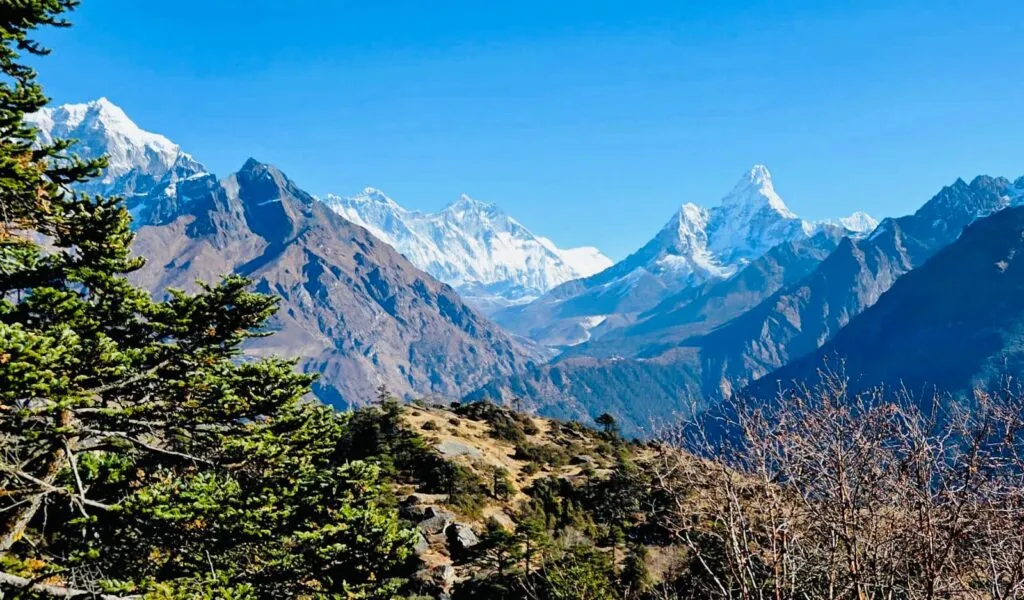
Trekking is more challenging than hiking since it tests one’s ability, endurance and their mental as well as psychological capacity. There are many different ways to do a trek and trekking culture often varies from country to country. It usually takes place on trails in areas of relatively unspoiled wilderness.
Types of Trekking
- Tea house/Lodge trekking
- Camp Trekking
- Lodge-to-Lodge Trekking
- Short Treks
- High Altitude Treks
- Cultural Treks
- Wildlife Treks
Importance of Trekking
Trekking can be viewed from two different points:
As an intense exercise, or an amazing and unique learning experience. In trekking, we have to face different difficulties and uncertainties, by overcoming them we allow ourselves to enhance our knowledge, experience and the understanding of the world(Kumar, 2025).
Here are some importance of Trekking
Physical and mental health
Connection to nature and environment
Social and cultural benefits
Personal growth and lifestyle balance
Wildlife encounters
Develops your interacting skills
Satisfaction for your mind, body and soul
Why Trekking is important
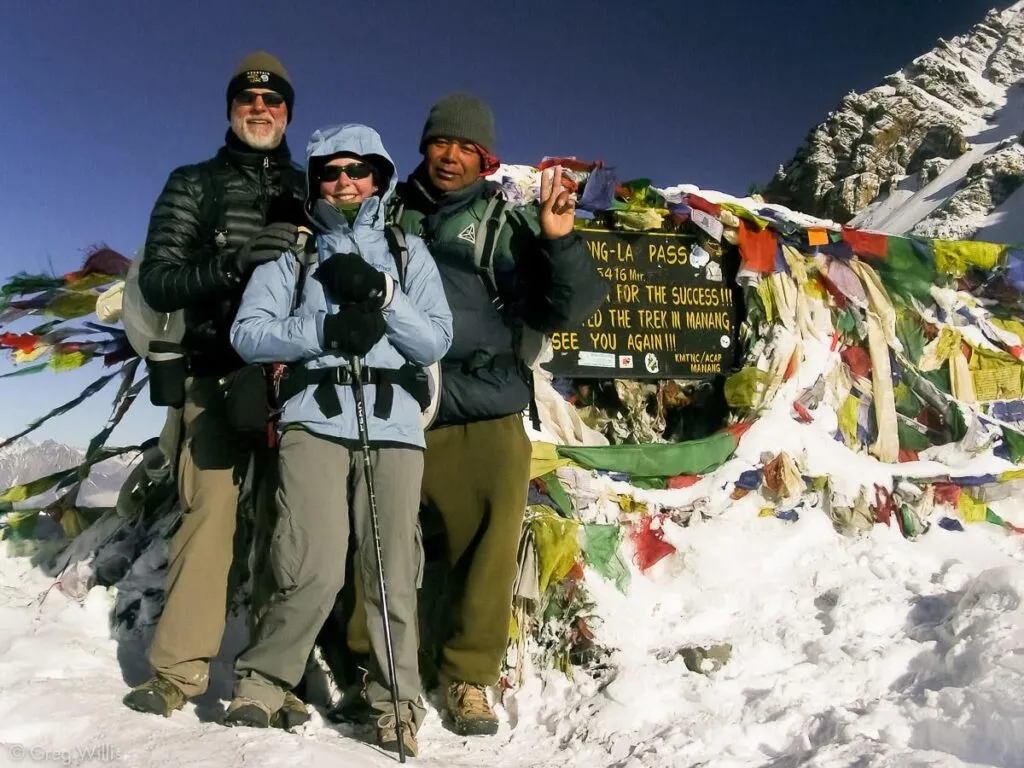
There are various reasons why trekking is important. To solve these complex queries, trekking improves your body, mind, and connection with nature, while also building relationships, cultural understanding, and resilience in everyday life. Different people have different opinions and perspectives of “Why Trek?”
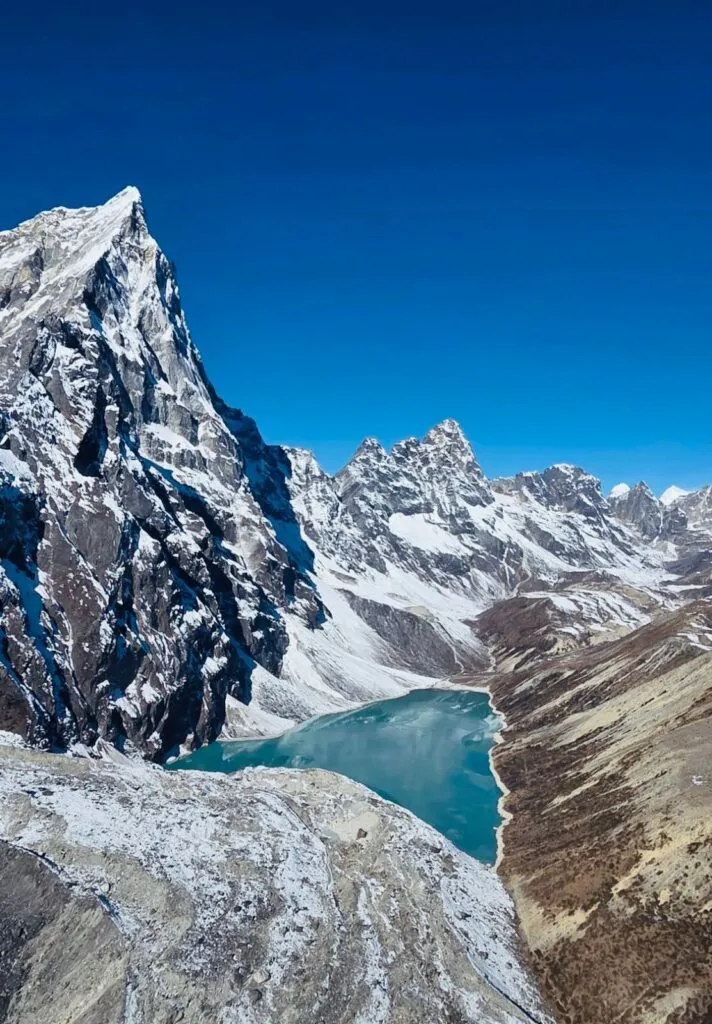
Specifically, why trekking in Nepal is important. Nepal is a safe place for all types of travel activities for all travel lovers from around the world. Trekking in Nepal takes you along the wonderful trails amidst nature and the snowcapped mountains.The presence of 8 of the 14 peaks above 8,000m in the world, it is also known as the Capital of the Himalayas. Various Nepal trekking routes are developed to connect you with these Great Himalayas and trekking peaks.
Within an area of 147,181 sq. m., you get to experience differences in climate, vegetation, lifestyle, and geography. This variation is the answer to “Why is trekking in Nepal important?” Trekking is the best alternative to learning about local cultures and cuisines while enjoying nature and adventure. Trekking in Nepal, especially in high-altitude areas, can be physically demanding. It requires good fitness and mental endurance. “If you’re trekking in high-altitude areas above 3800m, you might consider hiring a Sherpa for assistance.”
With the experience of 15+ in the trekking “Tour Guide in Nepal” will provide you the best experience in this Trek journey. Our customer had a great experience with the “Tour Guide in Nepal” team.
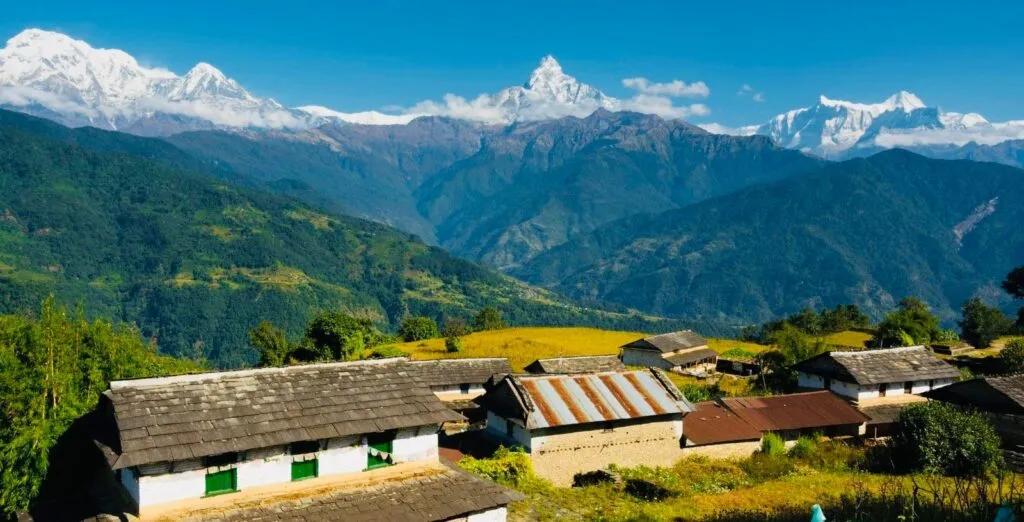
What did he say you can read the message and also click our video to see the review
“So, to be honest, I started the tour looking at the different offers I see in Europe slash Germany, and there was little groups with 10, 12 people. And then suddenly we find you on the internet and say, “Okay, let’s try this one,” because I’m here with a good friend of mine, and we say, “Okay, why not doing together a tour instead of 10 people we don’t know?” And then we go with you to the kind of points or let’s say, the kind we want to like to see. And you make a plan, and we are a little bit awful customers, honestly, because we ask here change, and there change, a question there, but you managed very, very well. I can really recommend that. And they really did they really advantage was that we were able with two people, one driver, one guide, to make the the points, the tour, which we want, and stop when there was something to see. We stop, yeah. We don’t have to take care about 10 other peoples. Um, the hotels were very well chosen. There were some very good ones, like the farmhouse, which is really authentic, yeah. I’ve also to say, so thank you to um, our guide. He is very knowledgeable. Sometimes a little bit too much, but it’s it’s okay. We are not good prepared, but we can ask any kind of question and he was available all the time. And even to the last minute changes, or the things, “Oh, maybe we make a little little track or a little trail here and there,” he and and also um, you were able to handle that. So, thank you very much. Last and least, there are two major highlights I like to mention. Uh, three, maybe. One is um, this uh, the seen the the mountains, wherever we see them, great. I mean, that’s Nepal. Uh, that’s really fantastic. The other one is the nature, in specific, the rhinos. So, you have to consider this rhinos are 4,000 in the world, and we had a chance to see them. It takes a little bit tricky, and we had a very good mahout so we were doing that with an elephant. It was really impressive because once of a lifetime, I would say.”
Video link: https://youtube.com/shorts/opjo3DC26uY?si=a28wLbWUdDkZvnBY
Why people visit Nepal for Trekking
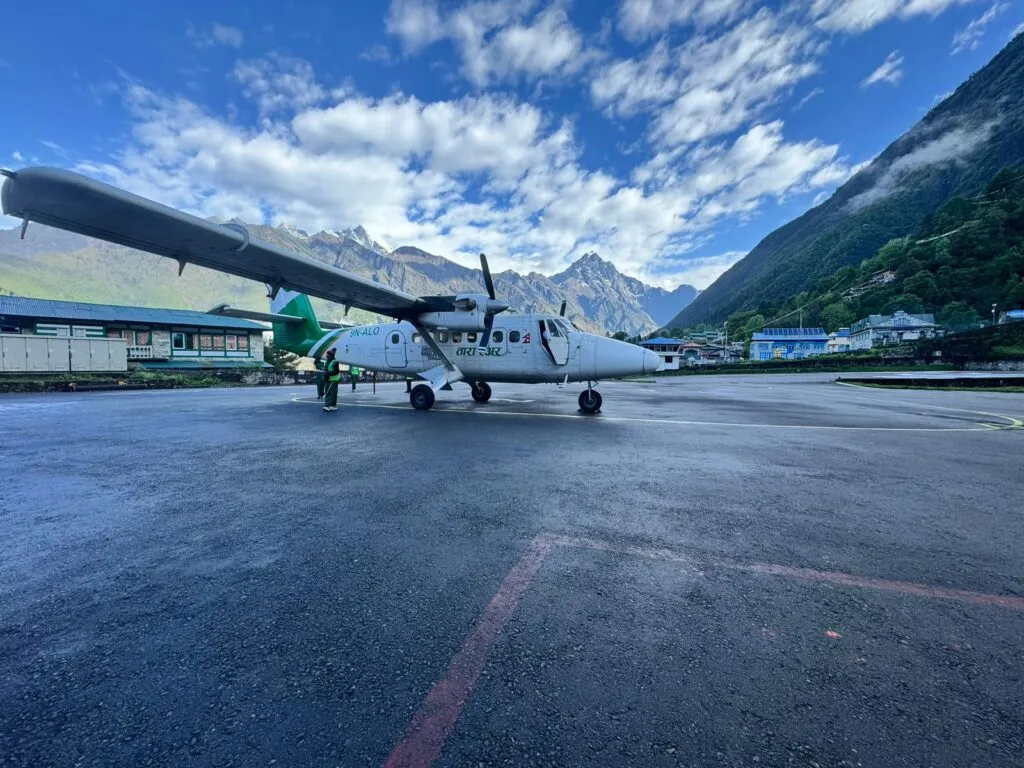
There are many reasons. Why people visit Nepal for Trekking. Nepal is one of the most beautiful countries in the world. There are many religious ,cultural and natural heritages. They are the sources for religious,cultural or natural study,research and observation. Different diversity in every aspect in the smallest possible area, it’s Nepal. Naturally gifted and culturally diverse, this country extends in an area of 147,181 square kilometers. It is a beautiful country, no doubt, but the most important of all is the HOSPITALITY of its people.
The land of Gurkhas has the most supporting and caring people. They are the most friendly people. You will be guided well anywhere you are in Nepal if you have a great experience from “Tour guide in Nepal”.
Sharing our existing customer experience and their visit in Nepal
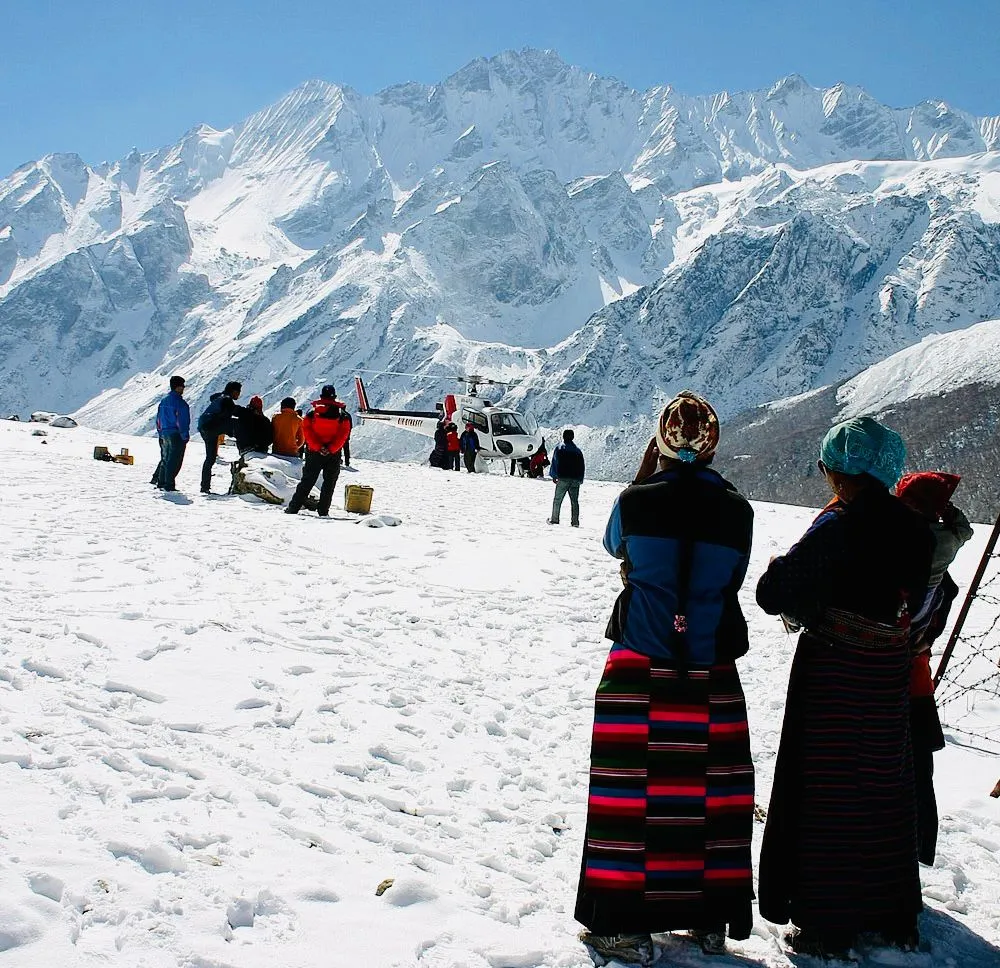
As our many foreign customers who came to Nepal to seek Adventure activities. The reason is that it is very suitable to come to Nepal for adventure activities. There are many options to choose inside these kinds of activities too.
– A short days hiking in famous touristic area to get experience of real trekking in Himalaya
– Short days hiking in non tourist hidden sights to be far from crowded of other tourist
– Long days trekking and hiking in the Himalayas
– Explore typical settlements, different cultural peoples and get a warm welcome from every villager
– Friendly guides and Porters
– Option to get customized itinerary and plan
– Plan the trip as per your budgeting
– Any group size
Why Nepal is a nature Given country
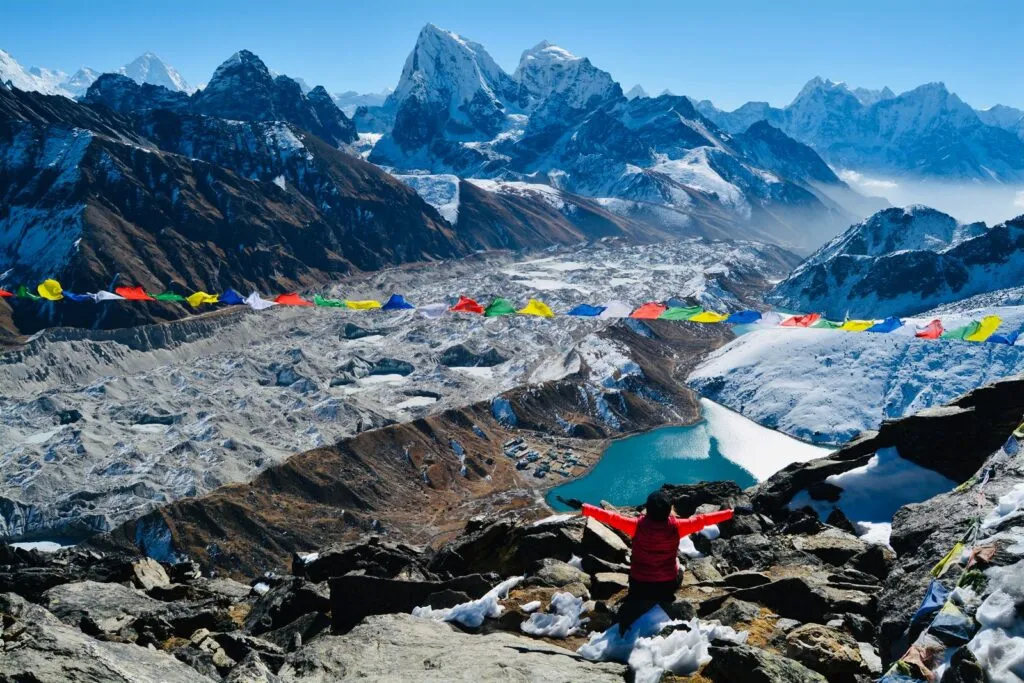
Nepal has emerged as the world’s most nature-connected nation, which examined how social, cultural, and ecological factors influence people’s relationship with the natural world. The research found that nature connectedness, a measure of emotional and psychological closeness to the natural world, varies widely between countries. The study identified both objective country-level indicators, such as urbanization and business environment, and subjective indicators, including scientific and religious values, that shape how societies relate to nature (source:https://everestchronicle.com/nepal-ranks-worlds-most-nature-connected-nation-global-study-finds).
Nepal could be a small mountainous ever-green country that’s blessed with natural beauty. It’s also rich in unique cultural heritage. There are many beautiful Himalayan Ranges in Nepal. There are many big rivers. In the same way, many beautiful lakes have taken place in numerous parts of the country. It’s also covered by green grass and green plants in the Hilly and Terai Regions where we will find many types of wild animals and valuable herbs like Tigers, elephants, deer, and rhinos in plant-like Yarsagumba and shortly. There are many beautiful valleys in Nepal also. Kathmandu, Pokhara, Surkhet, Chitwan, Dang, Arun, etc. are some examples.
Tourists come to go to the natural beauties each year. People of Nepal are earning a lot of money from giving many services to them and gaining benefits. In Nepal tours and tourism help the Nepalese people for saving their family’s faces. Nepal could be a tremendously attractive location for mountaineers, rock, climbers, and adventure, seekers. Nepal’s local lifestyle, cultural tradition historical heritage, and therefore the ever-welcoming nature of Nepalese show an amazing prospect for tourism in Nepal. Here in Nepal, many resources are seen for natural beauty. Our nation is extremely lucky to possess other natural beauties we will take fresh air. We are able to see and glance at the natural beauty of a sound body and a sound mind. So Nepal may be a beautiful natural country.
Tourists come to see the natural beauties each year. People of Nepal are earning a lot of money from giving many services to them and gaining benefits. In Nepal tours and tourism help the Nepalese people for saving their family’s faces. Nepal could be a tremendously attractive location for mountaineers, rock climbers, and adventure, seekers. Nepal’s local lifestyle, cultural tradition, historical heritage, and therefore the ever-welcoming nature of Nepalese show an amazing prospect for tourism in Nepal. Here in Nepal, many resources are seen for natural beauty.
How Nepal is a cultural is cultural diversify
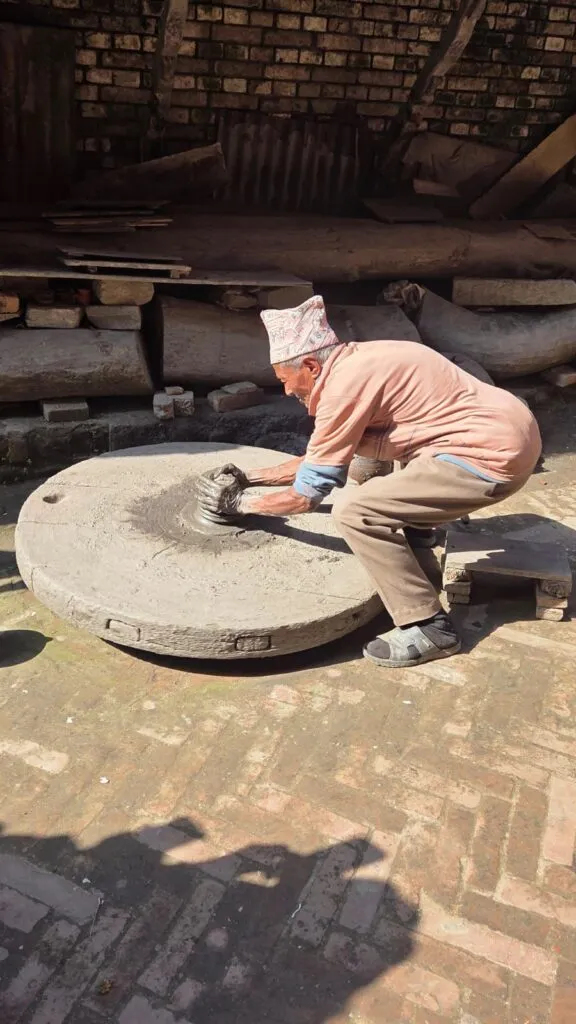
Nepal is a land of rich cultural diversity that reflects the varied traditions, customs, and ways of life of its many ethnic groups and communities. Nestled between India and China, this Himalayan country is home to over 125 ethnic groups, each with its own unique language, dress, festivals, religion, and cuisine. The cultural diversity in Nepal is not only a source of pride but also a symbol of national unity and harmony.
The presence of numerous ethnic groups such as the Sherpas, Newars, Tamangs, Magars, Tharus, and Gurungs contributes to the vibrant cultural mosaic of Nepal. Each community has preserved its own cultural heritage through generations, influencing art, music, dance, and daily life. Festivals like Dashain, Tihar, Losar, and many others are celebrated distinctively by various groups, offering a glimpse into their traditions and beliefs.
Religion also plays a significant role in shaping Nepalese culture. The coexistence of Hinduism, Buddhism, Islam, Kirat, and Christianity highlights the religious pluralism in Nepal. This religious harmony contributes to the peaceful coexistence among different communities.
However, despite the diversity, the people of Nepal share common values of respect, friendliness, and cooperation. Cultural diversity in Nepal encourages mutual understanding and tolerance, fostering national integration. It also enhances tourism, attracting visitors eager to experience this cultural richness.
In conclusion, cultural diversity is one of Nepal’s greatest treasures, enriching its national identity and providing a foundation for social harmony and unity among its people. Preserving and promoting this diversity is essential for the continued growth and development of the nation.
Why Tour guide in Nepal would be the best travel agency for your trekking journey
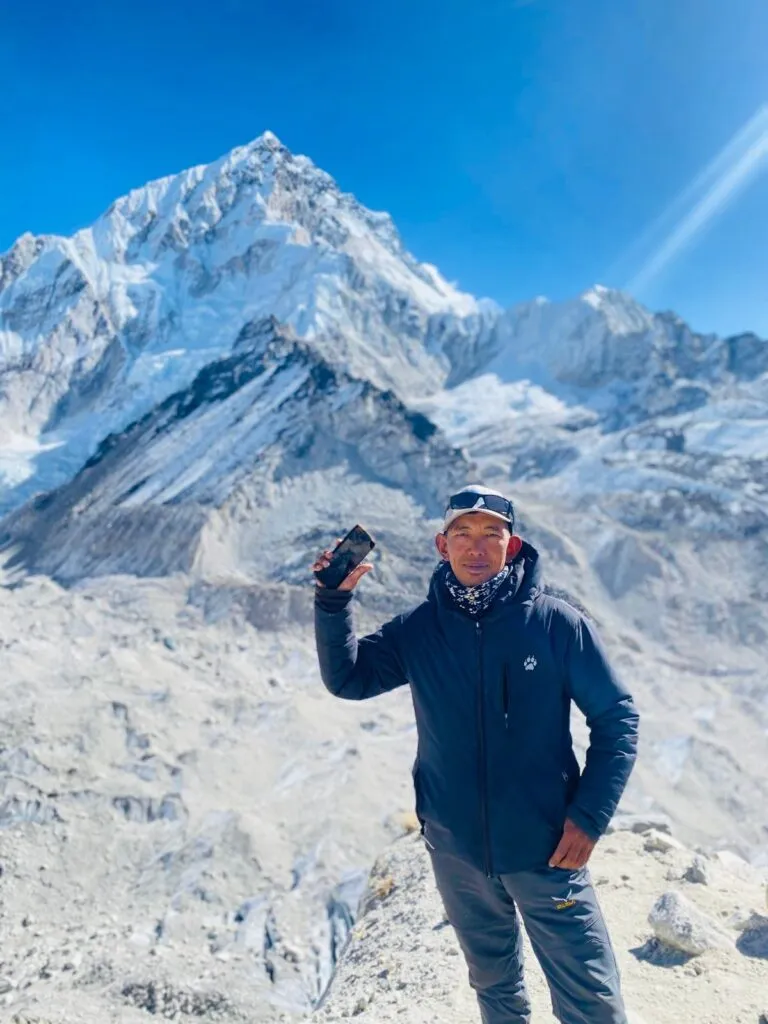
Tour Guide in Nepal have 15+ years in Nepal trekking and are tour guides to different places of Nepal like, Kathmandu valley tours, cultural dinner at kathmandu valley, and others. You search via our website. In these 15+ years we have successfully completed the 550+ Happy Travelers. If you want a quick demo or a clear instruction from our expert you can via E-mail : [email protected] | [email protected]. We can have a quick call if you have any queries related to your personal things you can feel free to have a Google Meet for your comfortness.
What are best trekking region in Nepal
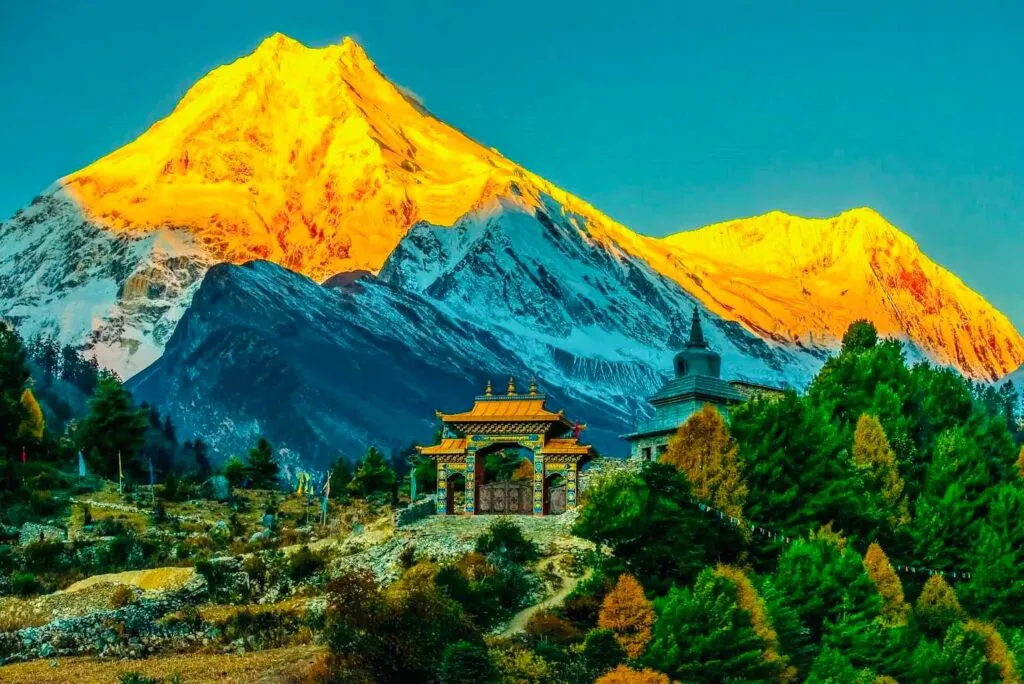
There are various trekking regions in Nepal. Are you trying to find a fun way to spend your holiday? If you’re tired of lounging on the beach, you might want to take a trip to Nepal for something different. Take a horseback ride across the Himalayan slopes or hike to the foot of the world’s highest mountain, Mount Everest. During your journey, you will have the opportunity to interact with the Sherpa people, who are renowned for their strength and mountain knowledge. Nepal’s high peaks and routes are waiting for you to discover them.
Adventure awaits! The mountains are calling! Discover the magic of Best Trekking in Nepal.
Everest Based Region
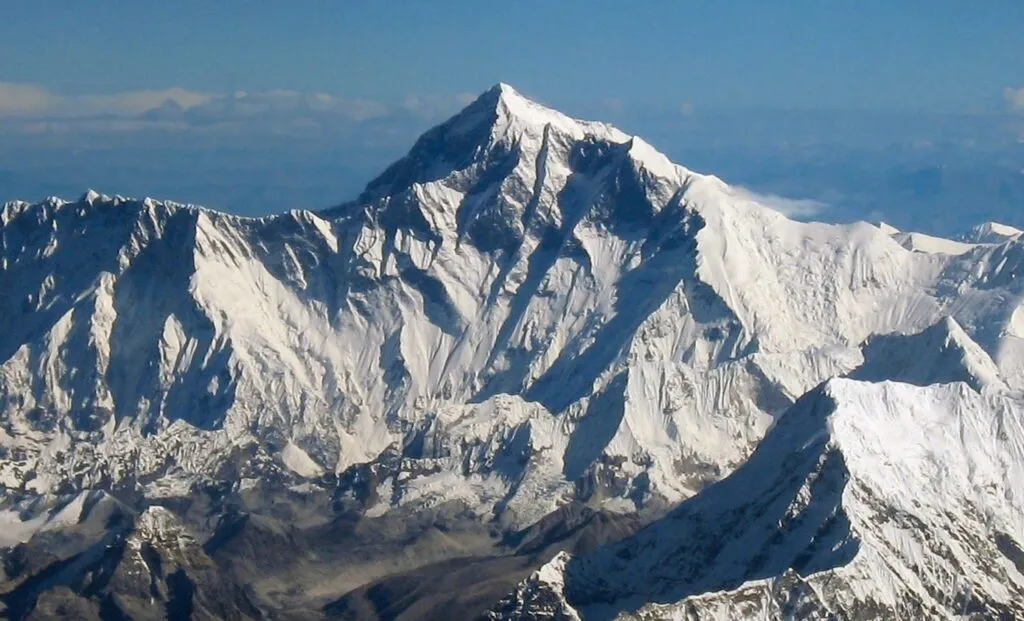
The Everest Region (Sagarmatha National Park) is the ultimate destination for adventure seekers, home to the world’s highest peak, Mt. Everest (8,848.86m). This region is famous for its dramatic mountain scenery, ancient Buddhist monasteries, and the unique Sherpa culture. Trekkers experience legendary landmarks like the Khumbu Glacier, Namche Bazaar (the gateway to Everest), and various high-altitude viewpoints that offer breathtaking vistas of peaks like Lhotse, Nuptse, and Ama Dablam.
Listed Packages
The website offers several ways to experience the Everest region, ranging from strenuous treks to luxury helicopter tours:
Highlights: The most iconic trek in the world, standing at the foot of the world’s highest mountain and visiting the famous Sherpa hub of Namche Bazaar.
Highlights: A luxury option for those who want to see Mt. Everest in a single day without trekking. It typically includes a landing at Kalapathar or Everest View Hotel.
Highlights: A challenging trek for experienced hikers that crosses Renjo La, Cho La, and Kongma La passes, offering a complete circuit of the region.
Highlights: An alternative to the main EBC trail, featuring the stunning turquoise glacial lakes of Gokyo and the panoramic viewpoint of Gokyo Ri.
Highlights: A shorter trek designed for those with limited time, reaching up to Tengboche Monastery to see spectacular views of Everest and Ama Dablam.
Booking & Contact Information
Expert Guide: Kumar Dahal
WhatsApp/Viber: +977 9851243700
24/7 Support: +977 1 4501555
Website: tourguideinnepal.com
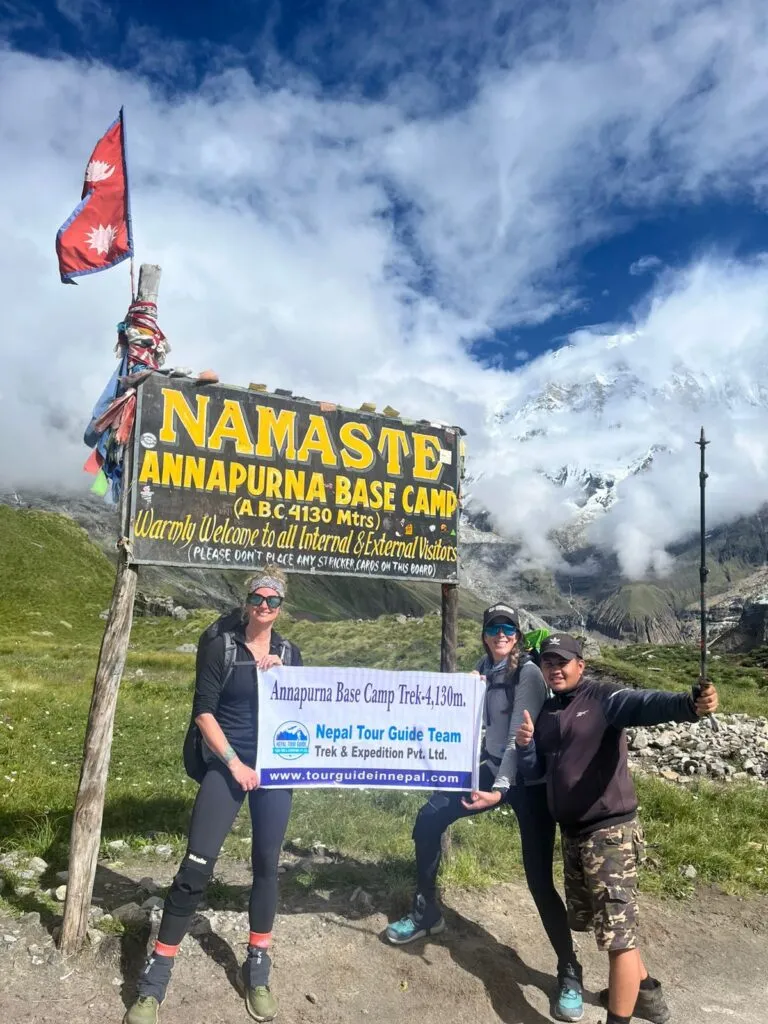
The Annapurna Region is one of the most popular trekking destinations in Nepal, offering a diverse range of landscapes from lush subtropical forests and terraced paddies to high-altitude alpine deserts. It is home to the world’s tenth-highest peak, Annapurna I (8,091m), and the iconic Macchapucchre (Fishtail). The region is famous for its rich cultural diversity, featuring Gurung and Magar villages, as well as the world’s deepest gorge, the Kali Gandaki. It provides various trekking options ranging from short hikes to challenging high-pass crossings.
Listed Packages
The website lists several diverse trekking and tour options within the Annapurna region:
Highlights: A classic trek into the “Annapurna Sanctuary,” surrounded by a 360-degree amphitheater of 7,000m and 8,000m peaks.
Highlights: One of the world’s most famous long-distance treks, crossing the Thorong La Pass (5,416m) and visiting the sacred temple of Muktinath.
- Ghorepani Poon Hill Trek
Highlights: A short, accessible trek famous for the sunrise view over the Annapurna and Dhaulagiri ranges from Poon Hill.
Highlights: A newer, “off-the-beaten-path” trail that stays on a high ridge, offering close-up views of Machhapuchhre.
Highlights: A trek through the wind-whipped Kali Gandaki valley, exploring the unique landscapes of the “Lower Mustang” area.
Contact for Annapurna Treks
For specific pricing or to customize an Annapurna itinerary:
Phone (24/7): +977 1 4501555
WhatsApp / Viber: +977 9851243700
Lead Guide: Kumar Dahal
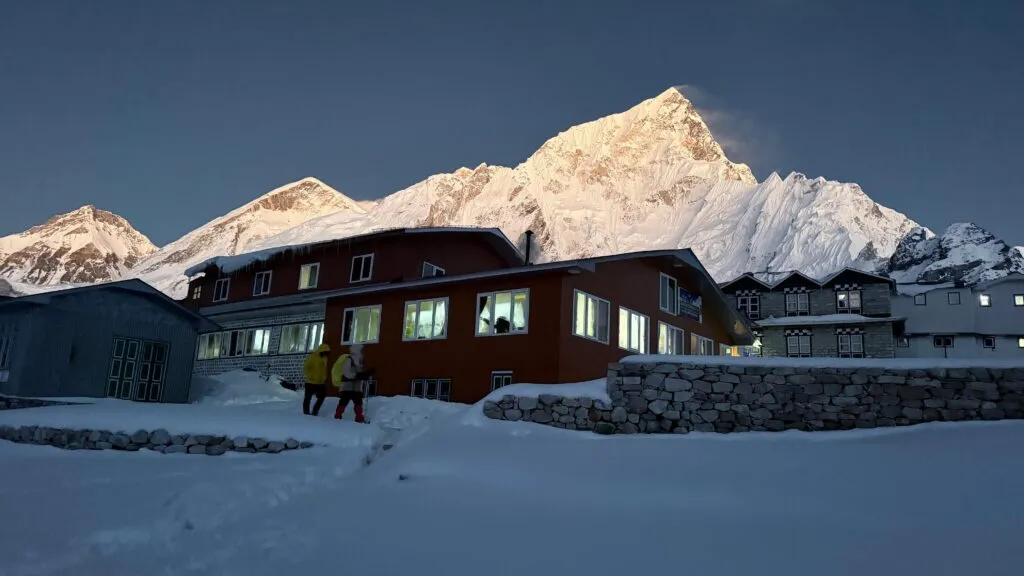
The Langtang Region is one of the most accessible trekking destinations from Kathmandu, known for its stunning mountain views, diverse flora and fauna, and rich Tamang culture. It is part of the Langtang National Park, which was Nepal’s first Himalayan national park. The trails offer a mix of rhododendron forests, high-altitude alpine meadows, and spectacular views of peaks like Langtang Lirung. This region is ideal for those seeking a shorter trek that still delivers high-altitude beauty and a deep cultural experience.
Listed Packages
While the specific pricing for Langtang packages wasn’t detailed in the text provided above, the website typically features the following popular routes for this region:
Highlights: A classic trek to the “Valley of Glaciers,” visiting Kyanjin Gompa and hiking up Tserko Ri for panoramic views.
Highlights: A cultural-focused trek that provides an insight into the unique traditions, costumes, and craftsmanship of the Tamang people near the Tibet border.
Highlights: A pilgrimage trek to the sacred high-altitude alpine lakes (4,380m) which are significant to both Hindus and Buddhists.
Highlights: A comprehensive circuit combining the Langtang Valley, the sacred lakes, and the Helambu region.
General Contact for Langtang Treks
If you wish to customize these trips or get current pricing:
Phone (24/7): +977 1 4501555
WhatsApp / Viber: +977 9851243700
Lead Guide: Kumar Dahal
The Restricted Regions of Nepal are protected areas near the Tibet border, opened in 1991 to preserve fragile environments and ancient cultures. Trekking in these regions requires official authorization, a minimum of two participants, and a specified officer. While these treks are physically demanding, they offer “virgin trails” ranging from the dry, Tibetan-like landscapes of the Western rain shadow (Mustang, Dolpo, Manaslu) to the lush, floral forests of the Eastern region (Kanchenjunga).
Listed Packages
Based on the content, the following specific restricted region packages are available:
Phone (24/7): +977 1 4501555
WhatsApp / Viber: +977 9851243700
Lead Guide: Kumar Dahal

The Manaslu Region is home to the world’s eighth-highest peak and is managed as a Conservation Area. It offers a remote trekking experience through “nearly medieval” villages influenced by Tibetan Buddhism. The region is rich in biodiversity, featuring rare wildlife like snow leopards and over 1,500 species of plants, with the best trekking seasons being Spring (March–May) and Autumn (September–November).
Listed Trekking Packages
Phone (24/7): +977 1 4501555
WhatsApp / Viber: +977 9851243700
Lead Guide: Kumar Dahal
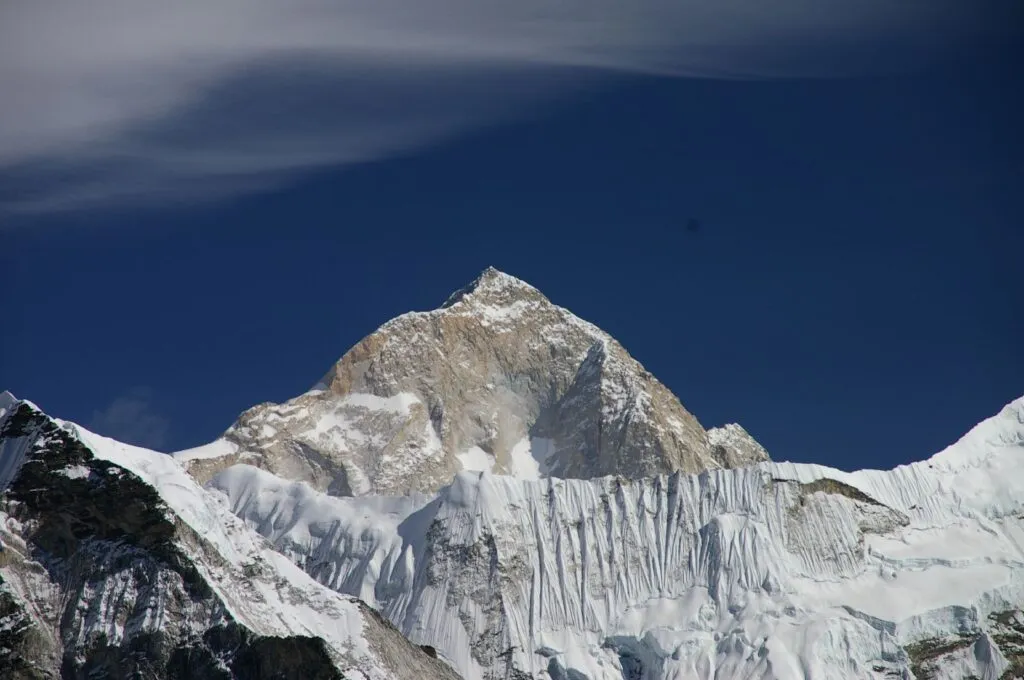
The Makalu Region page introduces Makalu (8,485m) — the world’s fifth-highest mountain, located 22 km east of Everest in the remote Barun Khola valley. The content describes the trek as a dramatic journey from alpine zones down to tropical rainforest, passing 4,000m+ cols, sub-alpine forests, waterfalls, and largely untouched wilderness. It highlights the route’s difficulty — no escape route for non-mountaineers at the top — and references the historic Shipton La pass, named after Eric Shipton who explored it in 1954.
Currently, 3 trekking packages are listed:
Phone (24/7): +977 1 4501555
WhatsApp / Viber: +977 9851243700
Lead Guide: Kumar Dahal
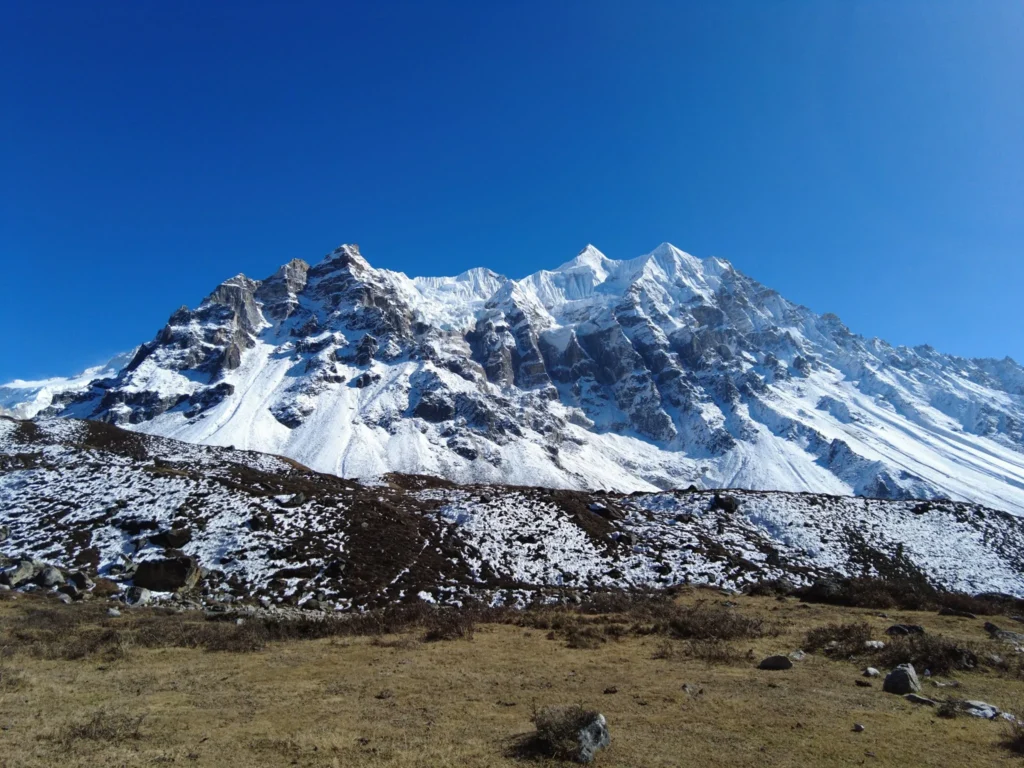
This region covers the Kanchenjunga Region on Tour guide in Nepal, introducing Kanchenjunga the world’s third-highest peak (8,586m) located 128 km east of Everest on the Nepal-India (Sikkim) border. It briefly narrates the mountain’s climbing history from the first 1882 expedition through to its successful summit in 1955 by Joe Brown and George Band.
Currently, 2 trekking packages are listed:
- Kanchenjunga Circuit Trek — 19 Days
- Kanchenjunga South Base Camp Trek 15 Days
Phone (24/7): +977 1 4501555
WhatsApp / Viber: +977 9851243700
Lead Guide: Kumar Dahal
Experience of the People who have trek in Nepal
The tour Guide in Nepal had a phenomenal experience in Nepal for the people who have worked with our trekking expert. I will show you some glimpse who had been a memorable part of this trekking experience journey.
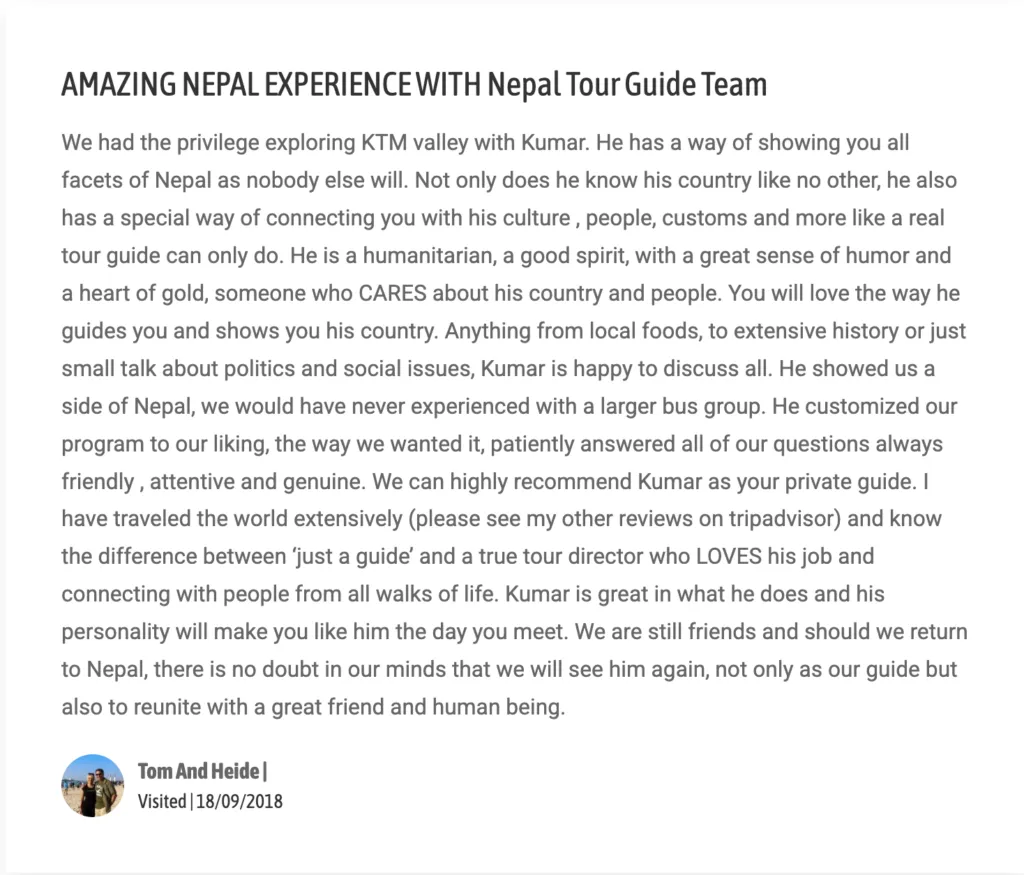
By Tom and Heide. They express their feelings and experience.
What are the equipment you need to carry before going to the trek
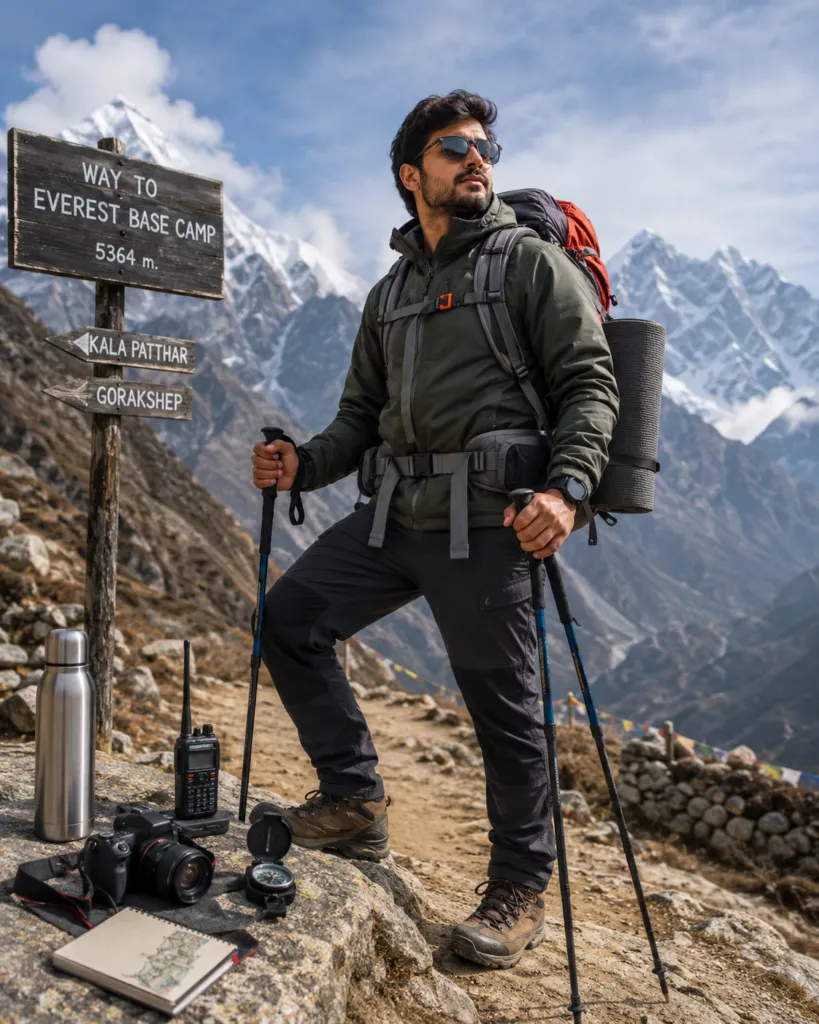
Trekking in Nepal is an absolutely wonderful experience, with serene paths, snow-capped peaks, and priceless moments spent in the great outdoors. However, it is crucial to be well-prepared before venturing into the mountains. We need to be safe, warm, and comfortable because the weather can change fast and some locations are distant from cities or stores. For this reason, you’ll need to have the appropriate lightweight gear. Here is a short, well-considered list of the essential items to pack for your hike.
Clothing
- Wear a warm, waterproof jacket to ward off wind and rain.
- A softshell or fleece jacket keeps you warm in the winter.
- Shorts and hiking pants are lightweight and portable.
- Trekking shirts with long sleeves are excellent for protecting against the sun and wind.
- Wear thermal underwear on chilly days and evenings.
- Warm and comfortable hiking socks (carry a few pairs)
- Wear insulated, waterproof mittens or gloves to keep your hands dry and warm.
- For both sunny and chilly days, wear a warm hat and sunscreen.
Footwear
- Sturdy waterproof hiking boots
Backpacks
- Large backpack (45–75 liters) with a rain cover for all your gear
- Daypack (around 20 liters) for daily use and essentials
Sleeping and Shelter
- Trekking poles (with snow baskets) – help with balance and knee strain
- Sleeping bag (rated for cold, sub-zero nights)
- Sleeping pad – for comfort and warmth
- Headlamp – hands-free light with spare batteries
- Personal first aid kit – plus any personal medicines
Electronics
- Camera
- Extra batteries
- Portable charger
- Solar charger (optional) – great for longer treks
Other Essentials
- Water bottles or hydration packs – stay hydrated all day
- Water filter or purification tablets – for safe drinking water
- Quick-drying towel – useful and light
- Sunscreen and lip balm – protect your skin at high altitudes
- Insect repellent – especially for lower elevations
- Whistle and compass – for safety and direction
- Cash and documents – passport, permits, insurance, maps
- Trekking map and guidebook – helpful even if you hire a guide
Tip: During packaging you need to pack light but smart. Every item during trekking in Nepal should be useful and easy to carry. The lighter your pack, the easier and more enjoyable
What you shouldn’t do while trekking
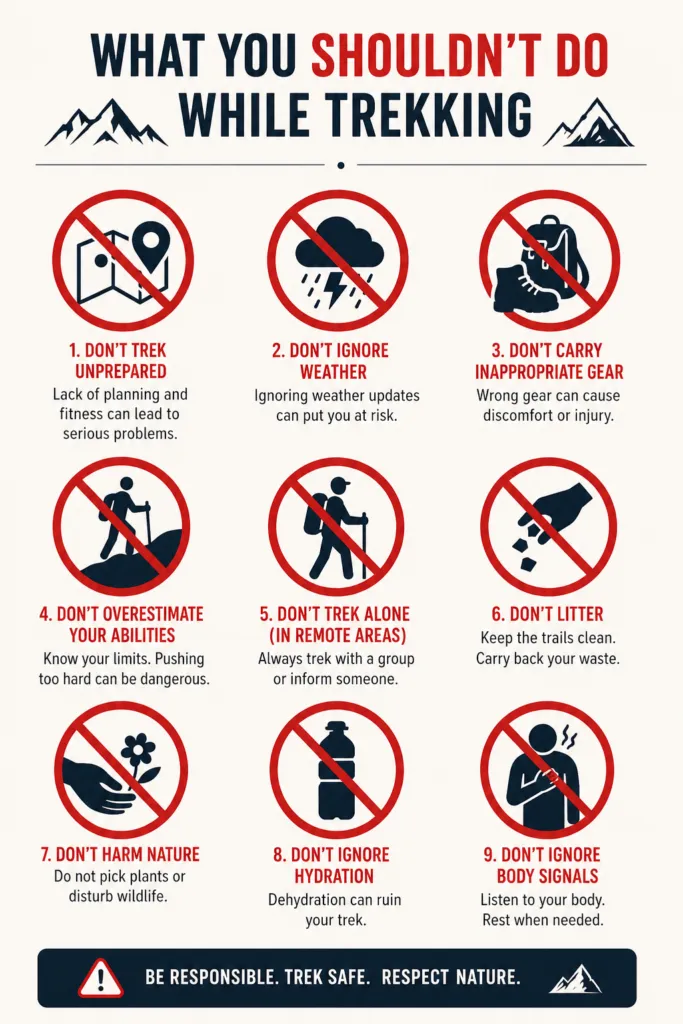
You’re buzzing with excitement, I get it. The Himalayas are calling! But trust me, a little preparation and knowing what not to do can make all the difference between an epic adventure and a challenging ordeal. So, pull up a chair, and let’s go through some essential wisdom:
1. Don’t Be a Know-It-All with Your Guide.
Seriously, your guide isn’t just a friendly face; they’re your lifeline. They know the weather, the trails, the local customs, and when you’re pushing too hard. If they tell you to slow down, put on another layer, or take a different path, listen. They’ve seen it all, and their advice is gold. It’s about safety and experience.
2. Please, For the Love of Altitude, Get Proper Insurance.
This isn’t just a suggestion; it’s non-negotiable. Mountain trekking carries risks. If you need a helicopter evacuation (and trust me, you don’t want to think about the cost without insurance), or medical attention, you’ll be so grateful you didn’t skimp on this. Check the fine print – make sure it covers high-altitude trekking!
3. Resist the Urge to Overpack.
Every extra ounce in your backpack feels like a kilogram by day three. You’ll be amazed at how little you actually need. Layers are key, good quality gear is important, but leave the “just in case” outfits at home. Your back (and your porter, if you have one) will thank you.
4. Hydration isn’t Optional; It’s Survival.
You’re at altitude, you’re exerting yourself, and the air is dry. Dehydration can sneak up on you and make you feel absolutely miserable, mimicking altitude sickness. Sip water constantly, even when you don’t feel thirsty. Carry purification tablets or a filter.
5. This Isn’t a Race, It’s an Experience
Leave your need for speed at home. The mountains demand respect and a slow, steady pace. Rushing not only makes you tired but significantly increases your risk of altitude sickness and injury. “Slow and steady wins the race” was practically invented for trekking.
6. Acclimatization is Your Best Friend
Don’t think you’re tougher than the mountains. Your body needs time to adjust to the thinner air. Build rest days into your itinerary, go higher during the day and sleep lower, and listen to any signals your body sends. Pushing through early signs of altitude sickness is incredibly dangerous.
7. Leave No Trace
This is simple: whatever you bring in, you take out. The Himalayas are sacred and pristine; let’s keep them that way. Even organic waste takes ages to decompose at altitude. Pack out all your trash, including wrappers and tissues. Be a responsible traveler.
8. Respect the Culture, Always.
You’re a guest in a beautiful, spiritual land. Dress modestly, especially when visiting monasteries or villages. Ask before taking photos of people. Greet locals with “Namaste.” Understand their customs, and be mindful of your actions. A little respect goes a long, long way.
9. Don’t Trek Solo (Unless You’re an Expert)
For most of us, especially first-timers or those going to remote areas, trekking alone is just too risky. What if you get lost? What if you get injured? A guide or at least a trekking buddy provides safety, companionship, and a shared experience.
10. Tell Someone Where You’re Going
Before you disappear into the mountains, make sure your family or a trusted friend back home knows your itinerary, including your start and end dates, and who you’re trekking with (if applicable). Give them details of your trekking company. It’s a simple safety net that offers immense peace of mind.
What kind of support you get from the tour guide in Nepal
Trekking in Nepal seems simple until you find yourself at a 4,800-meter trail intersection with two pathways, no signal, and weary legs. The true meaning of “support” becomes apparent at that point.
These routes have been traveled by our guides dozens of times. They know which part of the Manaslu Circuit becomes frigid in October mornings, which tea establishment in Samagaon serves warm meals after 7 PM, and whether your breathing pattern is normal due to altitude adjustment or anything that requires attention. A brochure is not the source of that kind of information.
Our guide takes care of the practical things you didn’t even consider worrying about while on the path, such checking permits at entry points to restricted areas, speaking with lodge owners in the local dialect to reserve a room during peak seasons, and modifying the program for the following day when the weather changes overnight. You concentrate on the stroll. They take care of the rest.
They keep an eye on you when you’re at altitude, albeit it’s not visible. When a trekker becomes quieter than normal, eats less, or walks differently, a skilled guide will notice. Rest days are only one aspect of acclimatization. It’s about someone with expertise making a decision before a situation gets out of hand.
Our guide takes on the role of coordinator when something goes wrong, such as a twisted ankle, a stomach ailment on day seven, or a family issue back home. route modifications, discussion with Kathmandu, insurance documentation, and helicopter evacuation. You don’t want to solve these problems by yourself at 3,500 meters.
Good guides provide something more subdued than logistics. They present you to the headman of the hamlet, who extends an invitation for butter tea. They explain why people walk on the left side of the mani walls. They describe the true significance of the monastery to the people who constructed it. The journey becomes more than just the distance you traveled; it becomes a tale you remember.
We are referring to such type of assistance.
RELATED TRIPS
Annapurna Base Camp Trek
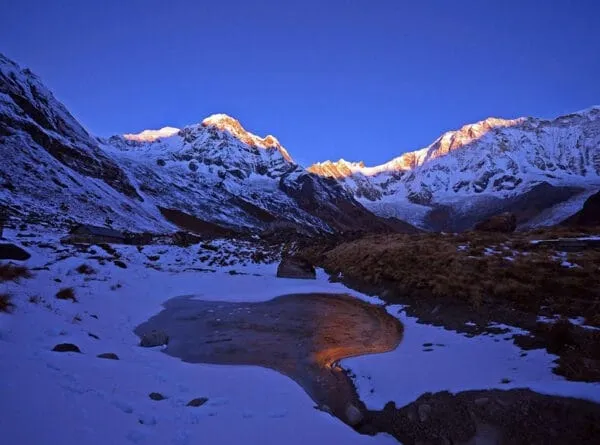
The 5-Day Annapurna Base Camp Trek offers a thrilling journey through Nepal’s stunning landscapes, beginning from Pokhara. Hike past...
Helambu Trek
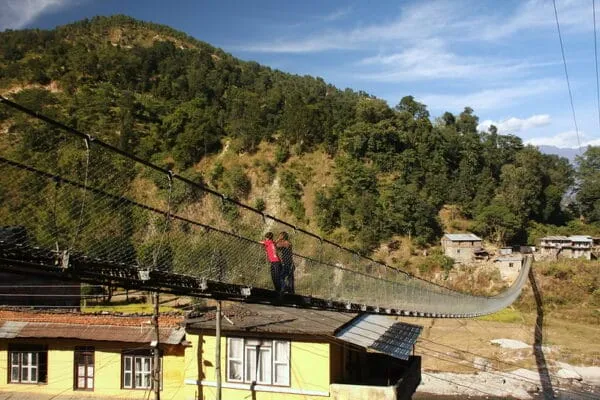
Discover the beauty of the Helambu region with our trekking guide. Hike through lush valleys and visit ancient monasteries....
Annapurna Skyline Trek Royal Trek
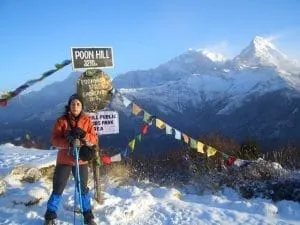
Annapurna Skyline Trek is surely one of the most dazzling day treks, which encompasses cultural insights into mountain scenery....
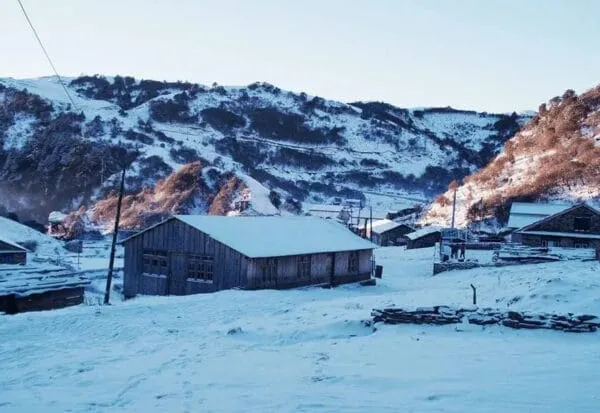
Kalinchowk Trek
Kalinchowk is a religious place where you will visit the Kalinchowk Bhagawoti temple. It is also know Nepalese pilgrim...
All Nepal Tour
Nepal Tour Guide's All Nepal Tour covers the highlighted places like Bandipur, Palpa, Pokhara, Chitwan and Lumbini, and is...
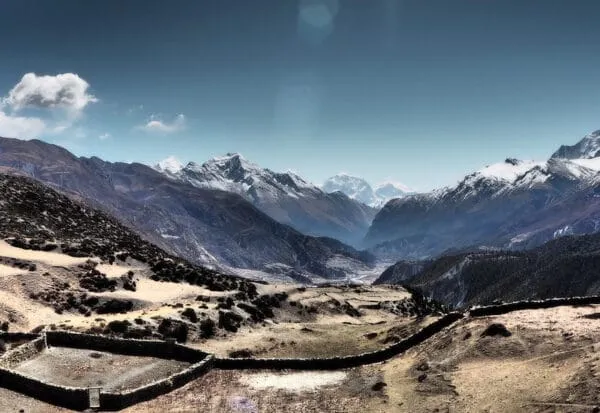
Annapurna Circuit Trial
Annapurna Circuit has long been praised by travellers as the holy grail of trekking since it was first opened...

